Genghis Fitness · Nutrition and Recovery
Health Benefits of Chamomile Tea: What the Clinical Research Shows on Sleep, Anxiety, Inflammation, and Athletic Recovery
Updated 2026 | By Team Genghis Fitness | 22 min read
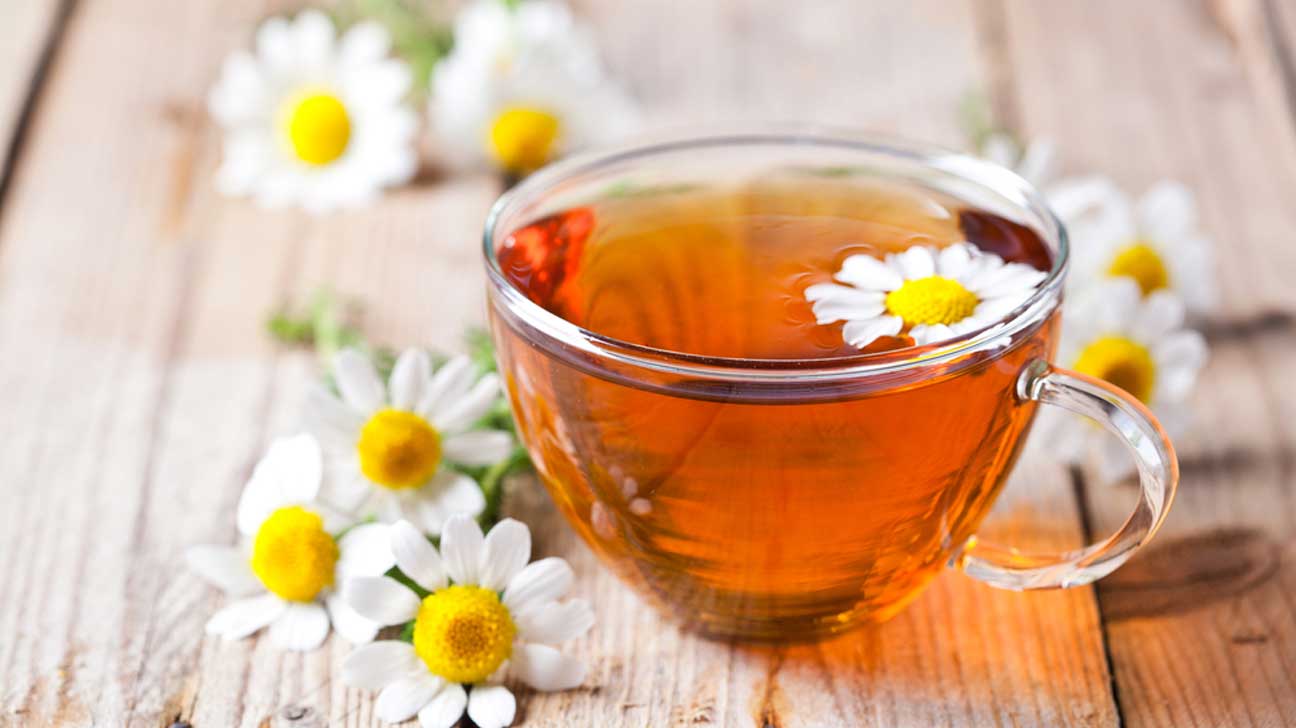
Chamomile tea is the most widely consumed herbal tea globally and one of the few with a substantial body of clinical research supporting its traditional uses. Made from the dried flowers of Matricaria chamomilla, chamomile contains apigenin, a flavonoid that binds to GABA-A receptors in the brain, producing sedative, anxiolytic, and anti-inflammatory effects. For athletes and active individuals, the sleep improvement, anxiety reduction, and anti-inflammatory properties of chamomile tea have practical applications that extend beyond general wellness. This guide covers what the clinical research actually shows, which effects are well-supported and which are preliminary, and how athletes can use chamomile tea strategically within a recovery framework.
Sleep Quality: The Best-Supported Benefit
Chamomile’s sleep-promoting effects are mediated primarily through apigenin’s binding to GABA-A receptors, producing mild sedation without the rebound insomnia or dependency associated with pharmaceutical sleep aids. A randomised controlled trial published in the Journal of Advanced Nursing found that postnatal women who drank chamomile tea daily for two weeks had significantly better sleep quality and fewer symptoms of depression compared to controls. Sleep quality is the single most impactful recovery variable for athletes, affecting muscle protein synthesis, growth hormone secretion, reaction time, and training motivation. Using chamomile tea as part of an evening wind-down routine supports the parasympathetic nervous system shift needed for high-quality sleep. The complete sleep and athletic recovery framework is in our muscle recovery guide.
Anti-Inflammatory and Antioxidant Effects
Chamomile contains multiple bioactive compounds beyond apigenin, including chamazulene, bisabolol, and quercetin, all of which have demonstrated anti-inflammatory activity in laboratory studies. Chamomile inhibits prostaglandin synthesis through COX-2 pathway inhibition, a mechanism similar to NSAIDs but at lower potency. A review published in Molecular Medicine Reports summarised chamomile’s anti-inflammatory mechanisms, noting significant evidence for topical anti-inflammatory activity and preliminary evidence for systemic effects from oral consumption. For athletes dealing with post-training inflammation, chamomile tea’s anti-inflammatory contribution is modest compared to dietary omega-3s or adequate protein intake, but it provides additive benefit with no negative effects on training adaptation. Unlike pharmaceutical anti-inflammatory use, chamomile does not blunt the muscle protein synthesis response that is part of normal training adaptation.
Anxiety Reduction and Pre-Competition Calm
Competition anxiety and pre-training nervousness impair performance through elevated cortisol, reduced fine motor control, and disrupted sleep before competitions. Chamomile’s anxiolytic effects through GABA-A receptor binding have been evaluated in a clinical trial published in the Journal of Clinical Psychopharmacology which found that chamomile extract significantly reduced generalised anxiety scores compared to placebo over an 8-week period. The effect is mild to moderate, appropriate for everyday performance anxiety rather than clinical anxiety disorders. Drinking chamomile tea the evening before competitions to support sleep quality and reduce pre-competition anxiety is the most practical application for athletes.
Digestive Health Support
Chamomile has a long history of use for digestive complaints, and some of this traditional use is supported by research on its antispasmodic effects on smooth muscle. Chamomile reduces intestinal cramping and bloating through the relaxation of smooth muscle in the gastrointestinal tract, making it useful for athletes experiencing exercise-induced gut symptoms or general digestive discomfort. The calming effect on gut motility complements the gut-brain axis benefits discussed in our yoga for gut health guide and the broader gut health guidance in our tea for digestion guide.
Frequently Asked Questions
How Much Chamomile Tea Should You Drink Daily?
Most clinical studies use 1 to 3 cups per day for systemic effects, with 1 cup consumed 30 to 45 minutes before bedtime being the most consistently effective approach for sleep quality improvement. The tea should be brewed from 2 to 3 grams of dried chamomile flowers steeped in hot water for 5 to 10 minutes to extract the active compounds. Commercial chamomile tea bags vary significantly in active compound concentration, so loose-leaf chamomile from reputable sources generally provides more consistent potency. There is no established upper limit, but more than 4 to 5 cups daily is unnecessary for the documented effects.
Are There Any Side Effects or Interactions?
Chamomile is generally safe for most people. The primary concerns are allergic reactions in individuals with ragweed, chrysanthemum, or daisy allergies (chamomile belongs to the same Asteraceae family), and potential interaction with blood-thinning medications due to chamomile’s mild anticoagulant activity. Athletes on anticoagulant therapy should discuss chamomile use with their physician. For otherwise healthy athletes, chamomile tea at 1 to 3 cups per day has no meaningful adverse effects and a strong safety profile from thousands of years of traditional use and multiple clinical trials.
Sleep Better. Recover Faster. Train Harder Tomorrow.
Recovery starts in the evening. Quality gear supports every session built on it.
Shop Lifting Belt Shop Knee SleevesChamomile And Gut Health: The Link That Matters For Athletes
Most discussions of chamomile focus on its sleep-promoting effects, but its impact on gastrointestinal health is arguably more significant for athletic populations. The anti-spasmodic properties of the apigenin and bisabolol compounds in chamomile reduce the smooth muscle contractions in the gastrointestinal tract that produce cramping, bloating, and the exercise-associated gastrointestinal distress that plagues endurance athletes particularly. A significant percentage of marathon runners and triathletes experience gastrointestinal symptoms during competition that directly impair performance. Pre-competition chamomile tea, consumed two to three hours before an event, may reduce this symptom burden through its calming effect on intestinal smooth muscle.
Chamomile also demonstrates meaningful anti-inflammatory activity in the gut lining. The azulene compounds formed when chamomile’s matrix is heated during brewing have documented effects on intestinal mucosal inflammation, which is relevant for athletes who train at high intensities. Vigorous exercise temporarily increases intestinal permeability, colloquially known as leaky gut, which allows bacterial endotoxins to enter systemic circulation and trigger an immune response that manifests as fatigue, reduced appetite, and systemic inflammation. Dietary interventions that reduce gut permeability, including regular chamomile consumption, may attenuate this exercise-induced inflammatory response and support more rapid recovery between sessions.
Chamomile’s Apigenin Content And Genuine Sleep Quality Evidence
Apigenin, the primary flavonoid in chamomile, binds to GABA-A receptors in the brain with mild affinity, producing a calming effect that measurably reduces sleep onset latency in clinical trials. A randomized controlled trial published in the Journal of Advanced Nursing found that new mothers who drank chamomile tea daily for two weeks had significantly better sleep quality and reduced depressive symptoms compared to the control group. While this is a specific population, the mechanism of action is not population-specific. For athletes who struggle to wind down after evening training sessions when cortisol and norepinephrine remain elevated for one to two hours post-workout, chamomile tea taken 45 to 60 minutes before bed provides a reliable, habit-forming signal to the nervous system that recovery mode has begun.
The practical preparation matters for potency. Chamomile tea bags from commercial grocery stores contain processed chamomile that has lost a significant proportion of its essential oil content during drying and packaging. Loose-leaf chamomile flowers steeped at just below boiling temperature for five minutes deliver a substantially higher apigenin and bisabolol concentration than commercial bags. For athletes who are serious about using chamomile as a functional recovery tool rather than a pleasant beverage, sourcing quality loose-leaf chamomile and brewing it properly makes a measurable difference in the effect produced.
Certified strength and conditioning specialists with over 10 years of combined experience in powerlifting, nutrition coaching, and evidence-based fitness content. Based in New York City, the Genghis Fitness team tests every protocol in the gym before writing about it.