YERBA MATE TEA: THE SOUTH AMERICAN ENERGY HERB THAT DOES MORE THAN CAFFEINE
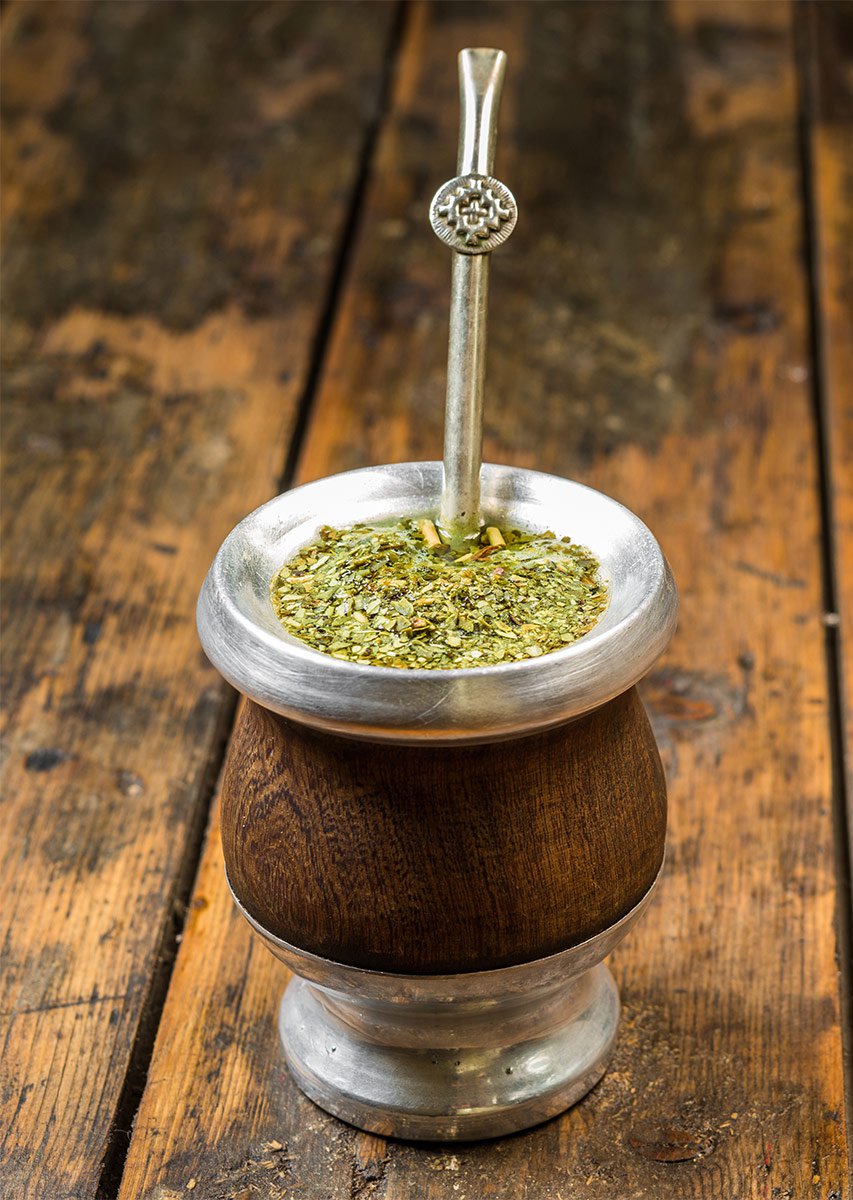
Yerba mate is the national drink of Argentina, Uruguay, and Paraguay and the daily beverage of choice for millions across South America. Consumed from a gourd through a filtered metal straw called a bombilla, it combines caffeine and theobromine for energy with a uniquely dense polyphenol profile that produces cardiovascular, antioxidant, and metabolic effects that go far beyond what its caffeine content alone explains. As yerba mate has spread globally, its health profile has received increasing research attention with genuinely interesting results.
WHAT MAKES YERBA MATE UNIQUE
Yerba mate contains three xanthine stimulants simultaneously: caffeine at approximately 80mg per cup, theobromine similar to dark chocolate at lower concentrations, and theophylline at trace levels. This xanthine combination produces a stimulant effect described by consistent users as energizing without the anxiety spike of equivalent caffeine doses alone. Theobromine has a longer, gentler action than caffeine and acts as a mild bronchodilator and cardiovascular stimulant that smooths the energy curve.
The polyphenol content includes chlorogenic acids, theobromine derivatives, kaempferol, quercetin, rutin, and caffeoyl derivatives that together produce antioxidant capacity comparable to green tea. Studies indexed on PubMed confirm that yerba mate has higher total antioxidant activity than red wine, orange juice, and most fruit teas when measured in standardized assays.
ENERGY AND COGNITIVE PERFORMANCE
The caffeine-theobromine combination in yerba mate produces a distinctive cognitive effect profile. Multiple controlled studies find that yerba mate improves sustained attention, working memory, and alertness without the jitteriness and anxiety spike that equivalent caffeine from coffee produces in sensitive individuals. The L-theanine-like smoothing effect appears to come from theobromine’s slower onset and longer duration.
For athletes who want cognitive performance support alongside physical stimulation, yerba mate provides both in a single beverage. Pre-training consumption 30 to 60 minutes before exercise delivers the stimulant effect at peak activity while the polyphenol content begins its antioxidant work during the session.
PHYSICAL PERFORMANCE ENHANCEMENT
A randomized crossover trial found that yerba mate consumption before exercise significantly increased fat oxidation during moderate-intensity aerobic exercise compared to placebo. The mechanism involves the combined thermogenic action of caffeine and theobromine alongside the chlorogenic acids that support fat mobilization through separate metabolic pathways.
Heart rate and blood pressure responses to yerba mate are typically more moderate than equivalent caffeine from coffee, partly due to theobromine’s mild vasodilatory effect that partially counteracts caffeine’s vasoconstrictive action. For endurance athletes, this more moderate cardiovascular stimulation profile is practically relevant for sessions where excessive heart rate elevation reduces aerobic efficiency.
CARDIOVASCULAR HEALTH
Population studies in South America find lower rates of cardiovascular disease in populations consuming multiple cups of yerba mate daily compared to non-mate drinkers, though confounding factors in population-level dietary research make direct causal attribution difficult. Controlled clinical studies find yerba mate improves LDL cholesterol levels, reduces LDL oxidation, and enhances endothelial function.
The chlorogenic acids in yerba mate are the primary cardiovascular polyphenol contributors, the same compounds responsible for much of coffee’s cardiovascular benefits and also present in high concentrations in green tea and various herbal preparations. Compare with the cardiovascular evidence for rooibos tea and black tea for the range of evidence across caffeine-free and caffeinated tea options.
DIGESTIVE AND METABOLIC EFFECTS
Yerba mate’s chlorogenic acids and xanthine compounds together slow gastric emptying slightly, producing satiety that supports caloric management. Multiple studies find that yerba mate reduces appetite and body fat percentage compared to placebo over periods of 12 weeks or more. The mechanisms involve both central appetite regulation through caffeine-mediated dopamine activity and peripheral metabolic effects from the polyphenol content.
The prebiotic activity of yerba mate polyphenols, which reach the colon relatively intact and feed beneficial bacteria populations, adds a gut health dimension to its metabolic effects. This prebiotic contribution complements the more direct metabolic effects on fat oxidation and blood sugar for a comprehensive metabolic health profile.
THE HOT TEMPERATURE CONCERN
One genuine safety consideration for traditional mate consumption is the practice of drinking at very high temperatures, typically above 65 degrees Celsius. Large epidemiological studies find associations between regular consumption of very hot beverages including mate and esophageal cancer. The International Agency for Research on Cancer classifies very hot beverages above 65 degrees as probably carcinogenic to humans.
The solution is straightforward: allow yerba mate to cool to below 65 degrees before drinking. Traditional mate culture in Argentina already incorporates water temperature awareness into preparation practice. At appropriate temperatures, the beverage does not carry this risk and the cardiovascular and metabolic benefits remain fully intact.
HOW TO PREPARE AND DRINK YERBA MATE
Traditional mate is prepared in a gourd with a bombilla, a metal straw with a filter at the bottom that prevents the leaf material from being drawn up. The gourd is filled about two-thirds with yerba mate leaf and stem material, hot water below 65 degrees Celsius is poured in, and the beverage is sipped slowly and repeatedly refilled. A single gourd of mate is typically refilled ten to fifteen times over a session, progressively weakening as each infusion extracts different compound fractions.
For non-traditional preparation, yerba mate loose leaf steeped in a French press or a mesh infuser for three to five minutes in 70 degree water produces a similar result without the traditional equipment. Commercial mate tea bags are the most convenient option but provide a lighter, less authentic preparation. The loose leaf form provides significantly more polyphenol content per cup than tea bags.
TIMING AND DAILY INTEGRATION
Yerba mate is best consumed in the morning and early afternoon when caffeine does not interfere with sleep. The caffeine half-life of approximately five to six hours means an afternoon mate session consumed after 3 PM can affect sleep quality in people sensitive to caffeine. The stimulant combination of caffeine and theobromine produces alert, sustained energy for three to five hours, making it well-suited for pre-training consumption and the cognitively demanding parts of the day.
Athletes who use yerba mate as a pre-training beverage benefit from consuming it 30 to 45 minutes before training to allow the caffeine and theobromine to reach peak blood concentration at the start of the session. The fat oxidation enhancement documented in exercise studies was measured under this kind of pre-exercise consumption protocol rather than random day timing. For the combined cognitive and physical performance applications, the pre-training window represents the highest-value consumption timing.
The social dimension of yerba mate consumption is worth acknowledging as part of its appeal and cultural significance. Traditional mate is shared from a single gourd passed between participants in a social group, each person sipping from the same bombilla and gourd. This communal drinking practice creates a social ritual around the beverage that is integral to its meaning in South American cultures and that has no equivalent in other tea traditions. The communal sharing aspect is one of the reasons mate culture travels well with South American diaspora communities globally: the beverage provides both its stimulant and health properties and a familiar social framework for connection that makes the practice self-sustaining in new cultural contexts. For those adopting mate as a health practice rather than a cultural tradition, awareness of this social dimension enriches the understanding of why the beverage has maintained its central role in daily life across three South American nations for centuries.
FINAL WORDS
Yerba mate earns its global popularity through a combination of genuine energy-enhancing, cardiovascular, and metabolic benefits that exceed what its caffeine content alone explains. The xanthine combination produces a distinctive and well-tolerated energy effect. The polyphenol antioxidant capacity rivals green tea. The performance enhancement from fat oxidation during exercise is clinically confirmed. The one practical consideration is temperature management: cool it below 65 degrees before drinking. Within these parameters, yerba mate is one of the most evidence-backed caffeinated beverages available for daily use, particularly for athletes who want both performance stimulation and the health properties of a polyphenol-dense daily beverage.
Certified strength and conditioning specialists with over 10 years of combined experience in powerlifting, nutrition coaching, and evidence-based fitness content. Based in New York City, the Genghis Fitness team tests every protocol in the gym before writing about it.