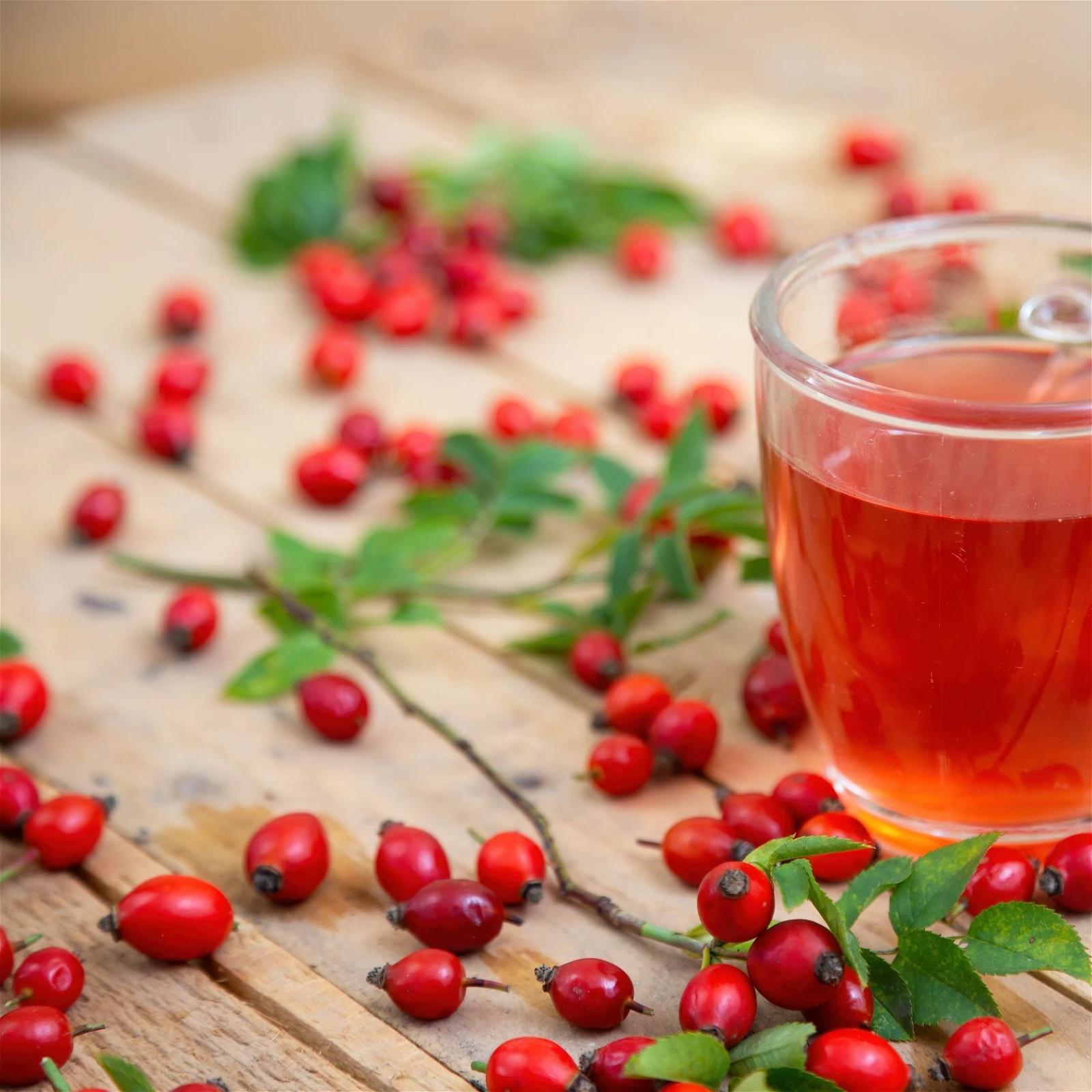
HEALTH BENEFITS OF ROSEHIP TEA: VITAMIN C, ANTIOXIDANTS, AND WHAT THE RESEARCH SUPPORTS
Rosehip tea is one of the most nutritionally dense herbal teas available. The small red fruits that form after rose flowers bloom are packed with vitamin C, carotenoids, polyphenols, and a range of bioactive compounds that translate into genuinely documented health effects in clinical research. Unlike many herbal tea health claims that rely heavily on tradition and lab studies that have not yet been replicated in human trials, rosehip has a meaningful body of clinical evidence supporting several of its attributed benefits. This guide covers what rosehip tea actually contains, what the research supports, where the evidence is strong versus preliminary, and how to use it effectively as part of a health-focused dietary routine.
THE NUTRITIONAL PROFILE OF ROSEHIP
Rosehips, the fruit of Rosa canina and related species found wild across Europe, North America, and Asia, are exceptionally rich in ascorbic acid, commonly known as vitamin C. Fresh rosehips contain more vitamin C per gram than most citrus fruits. The drying process used to produce rosehip tea reduces vitamin C content somewhat, but a cup of properly prepared rosehip tea still contributes a meaningful dose of ascorbic acid compared to most other beverage options.
Beyond vitamin C, rosehips contain lycopene, beta-carotene, and lutein among the carotenoids. Polyphenol content includes quercetin, catechins, and tiliroside, a glycoside that has received particular research attention. Organic acids including malic acid and citric acid contribute to the characteristic tart flavor and may have their own health contributions. Essential fatty acids are present in the seeds, though these are not typically extracted into an infusion tea. The full compound profile makes rosehip one of the most nutritionally complex herbal teas in common use.
EVIDENCE-SUPPORTED HEALTH BENEFITS
ANTI-INFLAMMATORY EFFECTS AND JOINT HEALTH
This is the most robustly documented clinical benefit of rosehip. Multiple randomized controlled trials have found that standardized rosehip powder reduces pain and stiffness in people with osteoarthritis and rheumatoid arthritis. A 2008 meta-analysis published in Osteoarthritis and Cartilage found that rosehip powder reduced pain scores significantly compared to placebo, with effects comparable in magnitude to some over-the-counter analgesics. The proposed mechanism involves the compound GOPO, a galactolipid found in rosehip that inhibits certain inflammatory mediators. Studies indexed through PubMed consistently support rosehip as one of the best-studied herbal interventions for joint-related inflammation.
IMMUNE SYSTEM SUPPORT
The vitamin C content of rosehip tea directly supports immune function. Vitamin C is essential for the production and function of white blood cells, the maintenance of epithelial barriers, and the activity of natural killer cells. During periods of increased physical stress, such as intense training blocks, immune function can be transiently suppressed. Adequate dietary vitamin C intake supports the resilience of the immune response during these periods. Rosehip tea provides a flavorful, low-calorie way to contribute to vitamin C intake without supplementation, though the total dose from tea is lower than from fresh rosehips or vitamin C supplements.
CARDIOVASCULAR HEALTH MARKERS
Several clinical trials have found that rosehip powder supplementation reduces total cholesterol, LDL cholesterol, and blood pressure in overweight adults. A 2012 study published in the European Journal of Clinical Nutrition found that daily rosehip consumption reduced systolic blood pressure and plasma cholesterol after six weeks compared to placebo. The carotenoids, particularly lycopene, and the polyphenol content of rosehip appear to be the primary drivers of these cardiovascular effects. Regular rosehip tea consumption as part of a diet that also limits saturated fat and processed foods is consistent with a cardiovascular health-supportive dietary pattern.
ANTIOXIDANT ACTIVITY AND OXIDATIVE STRESS REDUCTION
Rosehip has among the highest antioxidant activity of any commonly consumed herbal tea, driven primarily by its vitamin C and carotenoid content but also by its polyphenol profile. Human studies have shown that rosehip consumption increases plasma antioxidant capacity and reduces markers of oxidative stress including malondialdehyde and 8-isoprostane. For active individuals who generate elevated oxidative stress through training, this antioxidant contribution is directly relevant and additive to the antioxidant benefits obtained from a vegetable and fruit-rich diet.
BODY WEIGHT AND METABOLIC EFFECTS
Tiliroside, a polyphenolic compound in rosehip, has shown fat metabolism and weight management effects in several studies. A 2015 randomized trial found that rosehip extract reduced visceral and total abdominal fat in overweight adults over twelve weeks compared to placebo. The mechanism appears to involve enhanced fat oxidation and reduced lipid accumulation. These are promising findings, though the evidence base is less extensive than for the joint and cardiovascular effects. Rosehip tea is not a weight management intervention on its own, but its compound profile is consistent with supporting metabolic health as part of a calorie-appropriate dietary pattern.
HOW TO PREPARE AND CONSUME ROSEHIP TEA
Use dried rosehip pieces or whole dried rosehips rather than rosehip powder for tea preparation. Steep one to two teaspoons of dried rosehip in water at around 90 degrees Celsius for ten to fifteen minutes. Boiling water can degrade some of the vitamin C content, so slightly below boiling is preferred. Strain carefully as the fine hairs inside fresh rosehips can be irritating, though commercial dried rosehip products are typically prepared to avoid this. The flavor is naturally tart and pleasantly fruity, pairing well with a small amount of honey or with other fruit-forward herbal teas.
One to three cups daily is a reasonable and safe consumption level for most healthy adults. Rosehip tea is well-tolerated and has no significant known interactions with common medications at typical consumption levels, though individuals taking anticoagulants should note that high vitamin C intake can theoretically affect iron absorption and consult their healthcare provider about any dietary changes. The evidence profile of rosehip tea makes it one of the most compelling options in the herbal tea category for anyone interested in meaningful health benefits alongside a pleasant daily beverage.
ROSEHIP TEA FOR ATHLETES AND ACTIVE INDIVIDUALS
For athletes who train seriously and deal with joint stress as a routine byproduct of heavy loading, rosehip tea’s anti-inflammatory and joint health effects are the most directly relevant benefits. The clinical evidence on joint pain reduction is strong enough that rosehip is included in the dietary recommendations of several European rheumatology organizations as a complementary approach for osteoarthritis management. For athletes without diagnosed joint disease, the same anti-inflammatory mechanisms support recovery from training-induced joint stress and may reduce the chronic low-grade joint inflammation that accumulates over years of high-volume compound training.
The antioxidant activity of rosehip tea complements the dietary antioxidant intake that athletes should already be obtaining from a vegetable and fruit-rich diet. During heavy training blocks when oxidative stress peaks, additional antioxidant sources from low-calorie, nutrient-dense options like rosehip tea are a practical and evidence-consistent way to support the body’s antioxidant defense capacity without adding significant calories or requiring supplementation. The immune-supportive vitamin C content adds another layer of practical benefit during periods of high training load when immune function is transiently suppressed.
The sum picture of rosehip tea is one of the most evidence-backed options in the herbal tea category. The joint health findings alone set it apart from most other herbal teas. The cardiovascular, antioxidant, and metabolic effects round out a profile that makes regular consumption a genuinely sensible choice for health-conscious adults of any fitness background. Steep it correctly, drink it regularly, and consider it one component of the broader nutritional approach that supports the training, the recovery, and the long-term health that makes a physically active life sustainable across decades.
Certified strength and conditioning specialists with over 10 years of combined experience in powerlifting, nutrition coaching, and evidence-based fitness content. Based in New York City, the Genghis Fitness team tests every protocol in the gym before writing about it.
If you are exploring herbal teas for health benefits, also see our guides on green tea benefits and peppermint tea — both have strong evidence bases for daily wellness use.
COMPLETE YOUR TRAINING TOOLKIT
Your health routine starts with what you drink. Your training gains start with the right equipment. Lifting straps keep grip from limiting your heaviest pulling work.
Shop Lifting Straps