Genghis Fitness · Nutrition and Immune Health
Best Tea for Sore Throat: Which Teas Have Evidence Behind Them, How Each Works, and When to See a Doctor Instead
Updated 2026 | By Team Genghis Fitness | 22 min read
Sore throat (pharyngitis) is one of the most common reasons athletes seek symptom relief, and tea is consistently among the most recommended home remedies. The recommendation is not merely traditional: hot liquid consumption reliably reduces sore throat discomfort through multiple mechanisms, and specific teas contain bioactive compounds with documented anti-inflammatory, antimicrobial, and analgesic properties that go beyond the simple warmth effect. Understanding which teas have clinical evidence, why they work, and when symptoms warrant medical attention rather than tea allows athletes to manage minor throat irritation effectively without unnecessary antibiotics while recognising when professional evaluation is needed.
Why Hot Liquid Helps Any Sore Throat
Before examining specific teas, the base effect of hot liquid deserves acknowledgement. A study published in Rhinology found that hot drinks provided immediate and sustained relief from sore throat, runny nose, and tiredness compared to room temperature drinks, with the effect attributed to the combination of warmth, humidity, and the soothing effect on inflamed mucosal tissue. The warmth increases local blood circulation, the humidity reduces mucosal dryness, and the swallowing action itself provides mechanical relief to inflamed pharyngeal tissue. Any warm herbal tea provides this baseline benefit, with specific teas adding additional therapeutic compounds on top.
Best Teas for Sore Throat with Evidence
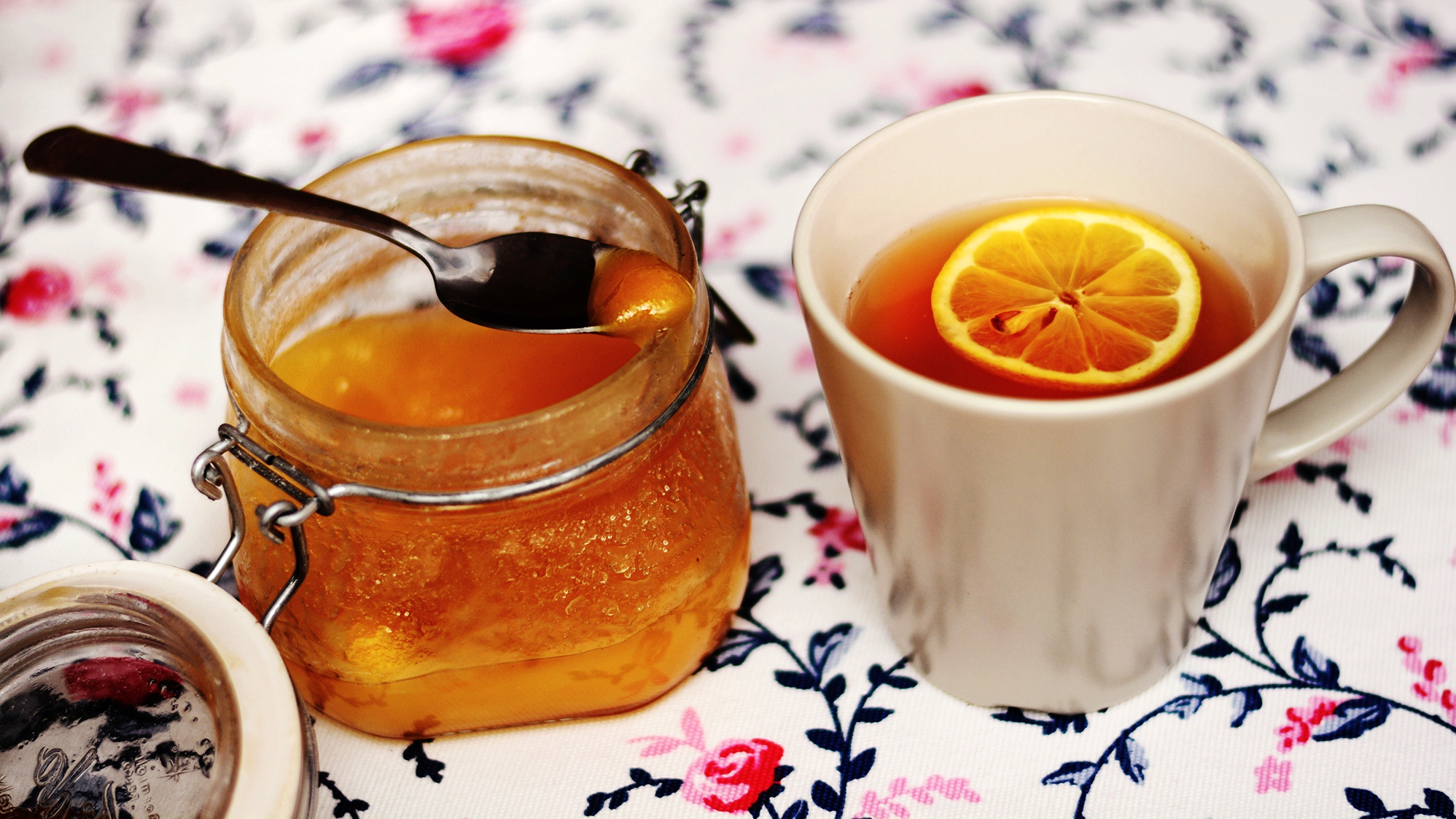
Ginger tea: Gingerols and shogaols in ginger have well-documented anti-inflammatory and analgesic properties. Research published in the International Journal of Preventive Medicine found ginger extract to be effective against Streptococcus mutans and other oral pathogens, supporting its traditional use for throat infections. Fresh ginger steeped in hot water for 10 minutes, optionally with honey and lemon, produces one of the most evidence-supported sore throat teas. Honey adds its own antimicrobial properties through hydrogen peroxide production and high osmolarity that inhibits bacterial growth.
Slippery elm tea: Slippery elm bark contains mucilage, a gel-forming compound that coats and soothes inflamed mucous membranes. When mixed with water, slippery elm mucilage forms a protective coating over the pharyngeal tissue, reducing the friction and irritation of swallowing that causes sore throat pain. The demulcent (soothing) effect is immediate and well-established in herbal medicine, and slippery elm is recognised by herbalists and some integrative medicine practitioners as one of the most effective sore throat remedies available without prescription.
Licorice root tea: Licorice root contains glycyrrhizin, which has anti-inflammatory, antiviral, and expectorant properties. A study published in Anesthesia and Analgesia found that gargling with licorice root solution before surgical intubation significantly reduced post-operative sore throat rates and severity. The anti-inflammatory and soothing properties demonstrated in this controlled setting support licorice root tea for general sore throat relief. Note that long-term high-dose licorice consumption can affect blood pressure through cortisol-like effects of glycyrrhizin; standard tea consumption 1 to 2 cups daily for acute sore throat episodes is safe for most healthy people.
Chamomile tea: Chamomile’s anti-inflammatory and mild analgesic properties from apigenin and chamazulene make it a consistent choice for sore throat. Its additional sleep-promoting effects are particularly valuable for athletes who need to sleep through throat discomfort during illness. The broader health benefits of chamomile are covered in our chamomile tea health benefits guide.
Green tea with honey: Green tea’s catechins (particularly EGCG) have demonstrated antiviral and antibacterial activity, and honey’s antimicrobial properties and soothing texture make this combination one of the most popular and well-supported sore throat remedies worldwide. The combination provides both direct antimicrobial activity and symptomatic relief.
When to See a Doctor: Red Flag Symptoms
Most sore throats in athletes are viral and self-limiting, resolving within 5 to 7 days with symptomatic management. However, specific symptoms warrant prompt medical evaluation. See a doctor if you experience: severe throat pain that prevents swallowing liquids, fever above 38.5 degrees Celsius (101 degrees Fahrenheit), white or yellow patches on the tonsils (suggesting bacterial tonsillitis or streptococcal infection), swollen lymph nodes in the neck, difficulty opening the mouth fully (suggesting peritonsillar abscess), or symptoms that worsen after 5 days rather than improving. Bacterial throat infections require antibiotic treatment that tea cannot provide, and untreated streptococcal infection carries risks of rheumatic fever and kidney complications.
Frequently Asked Questions
Should You Train Through a Sore Throat?
The general guideline is the neck check: symptoms above the neck (sore throat, runny nose, mild congestion without fever) generally permit light to moderate training. Symptoms below the neck (chest congestion, body aches, fever, gastrointestinal symptoms) indicate systemic illness where training impairs rather than supports recovery. A sore throat without fever or systemic symptoms is typically compatible with reduced-intensity training, but high-intensity sessions that further stress the immune system should be avoided until symptoms resolve. When in doubt, rest is always the conservative choice during acute illness.
Does Cold Water Worsen a Sore Throat?
For most sore throats, both cold and warm liquids provide temporary symptom relief through different mechanisms. Cold reduces local inflammation and provides short-term anaesthetic effect. Warm provides the sustained soothing effect documented in the Rhinology study above. For athletes with throat irritation from heavy training or dry gym air (not infection), cold water may be preferred for acute relief during training, with warm tea providing sustained relief afterward. For infectious pharyngitis with swollen inflamed tissue, most people find warm liquids more consistently soothing than cold.
Recover Smart. Get Back to Training Fast.
Every day off training matters. Quality gear is ready when you are.
Shop Lifting Belt Shop Knee SleevesActive Training Through A Sore Throat: What Is Safe And What Is Not
The neck check rule, a widely used guideline in sports medicine, suggests that training through illness is generally safe if symptoms are confined above the neck: sore throat, nasal congestion, and mild headache. Training through below-the-neck symptoms including fever, body aches, chest congestion, and gastrointestinal illness carries genuine risk of prolonging recovery and in rare cases of viral myocarditis in athletes who train intensely with active viral infections. For the typical minor sore throat that accompanies the early days of a cold, moderate training is unlikely to worsen the illness and may provide a modest immune stimulating effect through the transient elevation in natural killer cell activity that exercise produces.
Tea as a therapeutic tool for sore throats works through several mechanisms that are well-supported by evidence. Hot liquid soothes inflamed mucosa through thermotherapy, reducing the pain of swallowing by temporarily vasodilating the throat tissue. Honey added to tea has documented antimicrobial properties, with the hydrogen peroxide content of raw honey inhibiting bacterial growth in vitro. Lemon provides vitamin C and creates an acidic environment that many pathogens find inhospitable. The steam from hot tea provides brief relief for nasal congestion that facilitates easier breathing during any training attempted while unwell. Teas with the strongest evidence for sore throat symptom relief include ginger tea for its gingerol content and anti-inflammatory activity, licorice root tea for its demulcent coating effect on irritated mucosa, and sage tea which has been studied in randomized trials for throat pain reduction.
Staying well-hydrated is also an underappreciated sore throat intervention for athletes. The mucous membranes lining the throat require adequate hydration to maintain their protective barrier function. Mild dehydration thickens the mucus layer and reduces its antimicrobial efficacy, making the throat more susceptible to irritation and pathogen adhesion. Athletes who train even moderately while managing a minor sore throat should increase fluid intake by at least 500 milliliters above their standard daily target to compensate for both training fluid losses and the elevated fluid requirement of active mucosal immune defense.
Certified strength and conditioning specialists with over 10 years of combined experience in powerlifting, nutrition coaching, and evidence-based fitness content. Based in New York City, the Genghis Fitness team tests every protocol in the gym before writing about it.