ASIAN SQUAT: WHY MOST WESTERN ATHLETES CANNOT DO IT AND HOW TO BUILD THE MOBILITY TO GET THERE
What the Asian Squat Actually Is
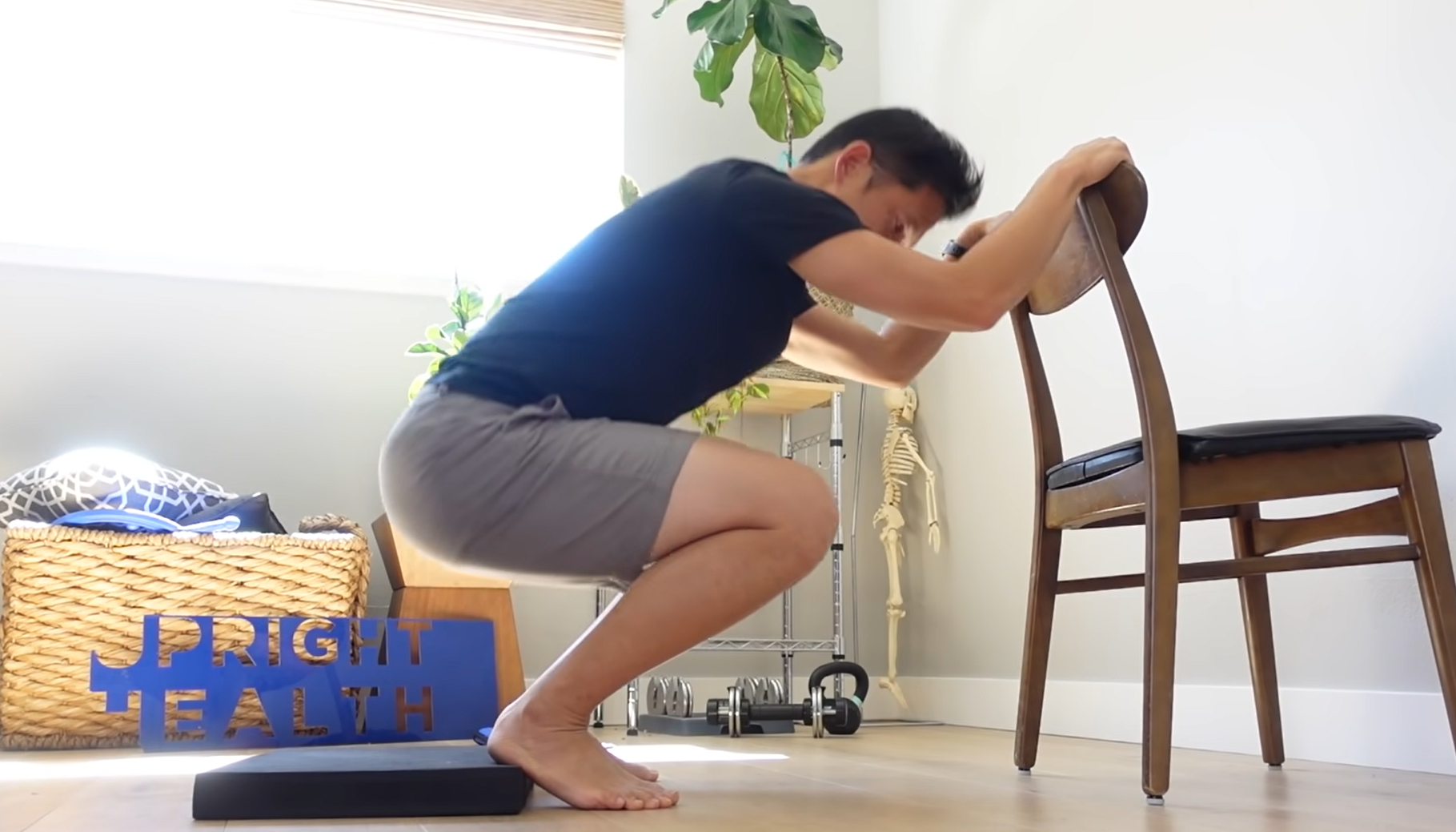
The Asian squat, also called the deep resting squat or third world squat, is a full-depth resting squat position where the hips descend below the knees, the heels remain completely flat on the floor, and the body rests comfortably in this position for extended periods without muscular effort. It is the natural resting posture of populations across Asia, Southeast Asia, Africa, and Latin America who grew up squatting to perform daily tasks including cooking, eating, conversing, and waiting. In many parts of the world it functions as a chair substitute that is maintained effortlessly. For most adults raised in Western countries who have spent their lives in chairs, achieving this position requires dedicated mobility work because the ankle dorsiflexion, hip flexor length, and hip external rotation needed to squat with heels flat at full depth have been unused and shortened since early childhood. Research published in the Journal of Strength and Conditioning Research confirms that resting squat mobility is associated with superior lower body joint health and movement quality in athletic populations. For strength athletes, achieving a comfortable resting squat translates directly into better barbell squat depth and improved hip mechanics. Protect the knee during deep squat mobility development with knee sleeves when combining this mobility work with training sessions.
Why Western Adults Cannot Do the Asian Squat
Ankle Dorsiflexion Restriction
The single most common limiting factor for flat-heel full-depth squatting in Western adults is restricted ankle dorsiflexion, the range of motion that allows the shin to travel forward over the foot. Years of walking in heel-elevated shoes shortens the Achilles tendon and calf complex, reducing the available dorsiflexion range. When attempting a flat-heel deep squat with insufficient dorsiflexion, the heels lift as the body attempts to compensate for the limited shin angle. Building ankle dorsiflexion through calf stretching, banded ankle mobilization, and ATG-style knee-over-toe exercises progressively restores the range needed for flat-heel squatting.
Hip Flexor Tightness
Chronic hip flexor shortening from prolonged sitting limits the ability to achieve the deep hip flexion of the resting squat position. The hip flexors, particularly the rectus femoris and iliopsoas, resist the deep knee bend and forward torso fold of the full squat when they are shortened. Regular low lunge holds, couch stretch, and pigeon pose practice addresses this restriction alongside the ankle work.
Hip External Rotation Limitation
In the resting squat, the knees naturally splay outward as depth increases. This lateral knee travel requires hip external rotation that many Western adults lack due to the hip abductor and external rotator shortening that sitting with legs parallel for extended periods produces. Hip circle band exercises that target the glute medius and hip external rotators, including clamshells and banded lateral walks, directly develop the hip function needed for comfortable deep squat positioning.
A Progressive Program for Achieving the Asian Squat
Phase 1: Weeks 1 to 3, Ankle and Hip Preparation
Daily calf stretching: hold a straight-knee calf stretch for 60 seconds per side. Banded ankle mobilization: loop a band around the ankle and drive the knee forward over the toe for 15 reps per side. Low lunge hip flexor stretch: 90 seconds per side twice daily. Supported deep squat hold: hold onto a doorframe or rack upright and lower into the deepest heel-flat squat possible, holding for 30 seconds and building to two minutes across the three weeks.
Phase 2: Weeks 4 to 6, Depth and Heel-Flat Work
Continue ankle mobilization daily. Add heel-elevated goblet squats with progressive reduction in elevation height across the three weeks. Practice unsupported deep squats for time, starting at 15 seconds and building to 60 seconds. Add the Cossack squat for hip adductor and lateral hip mobility that complements ankle dorsiflexion in allowing full-depth squatting.
Phase 3: Weeks 7 to 9, Achieving Flat-Heel Resting Squat
Attempt the unsupported flat-heel squat daily, holding for progressively longer durations as the ankle and hip mobility consolidates. Most athletes with consistent Phase 1 and 2 practice will achieve a comfortable 30 to 60 second flat-heel resting squat within this phase. Continue to improve duration and ease over subsequent weeks. The mobility gains made through this program carry directly into better barbell squat depth and reduced compensatory movement patterns in every loaded squat variation.
Training Benefits of Achieving the Asian Squat
Athletes who develop the flat-heel deep resting squat consistently report three training-relevant improvements: deeper barbell squat depth without rounding at the bottom, reduced knee and hip tightness after leg training sessions, and improved ability to maintain an upright torso under load. These improvements reflect the ankle dorsiflexion and hip mobility gains that the resting squat program produces, which translate directly into better mechanics in every loaded squat pattern. Combined with a 10mm lever belt for spinal support on heavy squat working sets and knee sleeves for joint warmth and support, the improved squat mechanics from this mobility work allow heavier, safer, and more productive barbell squatting across the entire training career.
The Asian Squat as a Diagnostic Tool for Athletic Movement Quality
Coaches and physical therapists use the ability or inability to achieve a flat-heel deep resting squat as a diagnostic movement screen that reveals the specific mobility restrictions limiting an athlete’s movement quality. An athlete who cannot reach flat-heel depth has one or more of three identifiable limitations: insufficient ankle dorsiflexion, short hip flexors, or limited hip external rotation. Each of these limitations has direct implications for athletic performance beyond just the squat. Restricted ankle dorsiflexion limits running stride mechanics and the ability to decelerate properly during landing. Short hip flexors create anterior pelvic tilt that reduces glute activation during hip extension movements. Limited hip external rotation produces knee valgus during cutting and landing that increases ACL injury risk.
Working through the nine-week Asian squat program addresses all three limitations systematically, producing improvements in ankle, hip flexor, and hip rotation mobility that carry over to running, jumping, and every loaded lower body exercise in the training program. Athletes who complete this mobility development and achieve a comfortable resting squat consistently report improvements in barbell squat depth, reduced knee tracking issues during lunges and split squats, and better hip mechanics during deadlifts and Romanian deadlifts. These are not trivial peripheral benefits. They are foundational movement quality improvements that make every other component of strength training safer and more productive. Combine this mobility foundation with hip circle band activation before every lower body session and knee sleeves during loaded training for a complete approach to lower body movement quality and joint health.
FINAL WORDS
The Asian squat is a benchmark of lower body mobility that most Western strength athletes cannot currently achieve, which is precisely why working toward it produces measurable improvements in squat depth, hip mechanics, and joint health. The program above addresses the three primary limiting factors systematically over nine weeks of consistent daily practice. Start the ankle and hip preparation work today, be patient with the progression, and protect the joints through any loaded training alongside this mobility work with Genghis Fitness knee sleeves. The flat-heel deep squat you build will make every barbell squat in your program better.
Certified strength and conditioning specialists with over 10 years of experience in powerlifting, nutrition, and evidence-based fitness content. Based in New York City.