Genghis Fitness · Strength Training and Technique
Deadlift Errors: The 8 Most Common Technique Mistakes, What Causes Each One, How to Fix Them, and How to Deadlift Pain-Free at Any Level
Updated 2026 | By Team Genghis Fitness | 22 min read
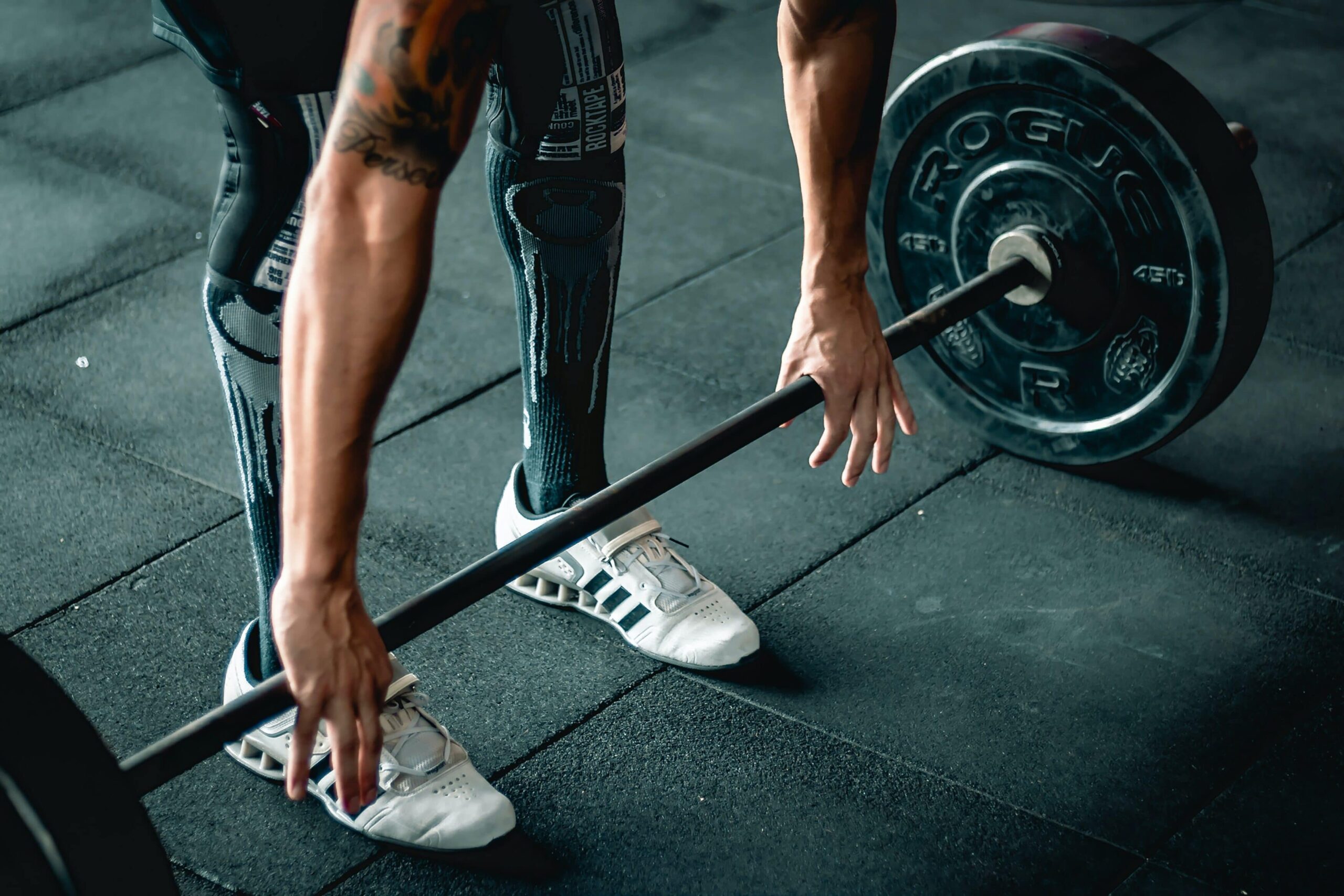
The deadlift is the most systemically demanding resistance exercise available, loading the posterior chain from the plantar flexors through the hamstrings, glutes, erector spinae, and trapezius in a single movement. It is also the exercise most frequently performed with form errors that range from slightly suboptimal to genuinely injury-producing, partly because the deadlift looks deceptively simple (just pick the bar up), and partly because lifting heavy loads overrides technique awareness in athletes who prioritise weight over position. The errors described in this guide are the ones that appear most consistently in training environments, are most likely to cause injury or limit performance, and have clear technical corrections that produce immediate improvement when applied correctly.
Error 1: Rounding the Lower Back (Lumbar Flexion Under Load)
Lumbar flexion under load is the deadlift error with the highest injury risk. The lumbar spine is designed to transmit compressive force in a neutral or slightly extended position; in a flexed position under load, the posterior disc is under compressive stress and the anterior disc under tension simultaneously, creating the shear force pattern associated with disc herniation. Research published in Spine confirmed that spinal compressive loads during lumbar flexion under deadlift conditions significantly exceed those in neutral positions, explaining the correlation between lumbar rounding and lower back injury in heavy deadlifters. The cause is usually weak erector spinae, insufficient hamstring flexibility, or attempting a load too heavy for current technique. The fix is to brace the core maximally before the lift, create a big chest (thoracic extension) that naturally extends the lumbar, and reduce load until neutral spine can be maintained throughout the movement. Use a powerlifting belt to improve intra-abdominal pressure that supports lumbar neutral position during maximum effort deadlifts.
Error 2: Bar Drifting Forward from the Legs
The bar should travel in a perfectly vertical path throughout the deadlift. When the bar drifts forward (away from the body), the moment arm from the bar to the lumbar spine increases dramatically, multiplying the effective load on the lower back by 2 to 3 times at moderate drift distances. This error typically starts at the setup: the bar is positioned too far from the shins, or the athlete reaches down to grip it without repositioning the bar first. The fix: at setup, the bar should be over the mid-foot, touching or within 2.5 cm of the shins, and should remain in contact with or very close to the legs throughout the pull. Actively dragging the bar up the shins (which explains the shin scraping experienced by correct deadlifters) maintains the vertical bar path. Using lifting straps for heavy sets allows the athlete to focus on bar position rather than grip, reducing this error in grip-fatigued states.
Error 3: Jerking the Bar from the Floor
Jerking (applying force explosively before the slack in the barbell is taken up) creates a sudden shock load that exceeds the bodyweight-normalised force during a smooth pull. The bar, weights, and connection hardware absorb this shock load imperfectly, and the rapid force application makes it harder to maintain position and brace adequately before maximal force is generated. The correct approach is to take up the slack first: apply gradually increasing force until the bar barely moves and all the flex in the barbell is removed, then continue applying force smoothly to break the bar from the floor. This smooth force application allows the core brace to be fully established before peak spinal loading occurs.
Error 4: Hyperextending at Lockout
Forcefully hyperextending the lumbar spine at the top of the deadlift (leaning back excessively) compresses the posterior vertebral elements including the facet joints and can aggravate or cause facet joint syndrome over time. The deadlift lockout requires the hips and knees to reach full extension with the torso vertical, not hyperextended. A cue that helps: think of standing tall and squeezing the glutes at lockout rather than leaning back. The glute squeeze produces the hip extension required for lockout without requiring lumbar hyperextension to complete it.
Errors 5 Through 8: The Supporting Technical Issues
Error 5: Hips rising faster than the shoulders (stiff-leg pattern): The hips should rise and the shoulders should rise at the same rate until the bar passes the knees. If the hips rise first, the movement becomes a stiff-leg deadlift with the bar far from the body. Fix: think of pushing the floor away with the legs rather than pulling the bar up with the back.
Error 6: Incorrect foot stance width: Most athletes deadlift with feet too narrow, limiting the hip width available for the torso to pass between the thighs during the pull. A stance slightly wider than hip-width with toes pointed out 15 to 30 degrees allows the hips to drop into the starting position without the torso riding too high or the shins being forced excessively forward.
Error 7: Looking up excessively: Craning the neck to look at the ceiling or into a mirror during the deadlift creates cervical compression and disrupts the neutral spine position that should extend from lumbar through cervical. A neutral neck gaze (eyes directed 2 to 3 metres ahead at the floor) maintains cervical neutral throughout.
Error 8: Failing to brace before the pull: Taking a deep breath, bracing the core as if expecting a punch, and then initiating the pull creates the intra-abdominal pressure that stabilises the spine against the deadlift load. Initiating the pull before completing the brace leaves the spine inadequately stabilised at the moment of peak loading. The complete deadlift programming and technique approach is in our powerlifting training guide.
Using Equipment to Support Correct Deadlift Mechanics
A quality powerlifting belt is the most evidence-supported accessory for deadlift technique support. Wearing a powerlifting belt and bracing against it creates higher intra-abdominal pressure than bracing alone can produce, providing additional lumbar support that allows athletes to maintain neutral spine position under loads that would otherwise cause rounding. Research published in the Journal of Orthopaedic and Sports Physical Therapy confirmed that lifting belts significantly increase intra-abdominal pressure and reduce lumbar muscle electromyographic activity at equivalent loads, indicating that the belt offloads the erector spinae by improving intra-abdominal bracing. For grip support on heavy pulls, lifting straps eliminate grip fatigue as a technique-degrading factor in high-rep deadlift training, allowing the athlete to focus entirely on position maintenance rather than grip retention through later sets.
Frequently Asked Questions
Should You Film Your Deadlift to Check Form?
Yes, consistently. The deadlift is notorious for feeling different from how it looks. Athletes who believe they are maintaining lumbar neutral are frequently in significant flexion that they cannot perceive through proprioception alone, particularly under near-maximal loads when the focus is on producing force rather than monitoring position. Filming from the side (to assess spine position and bar path) and from behind (to assess hip alignment and foot position) provides objective data that no amount of internal technique awareness can fully replicate. Reviewing footage at 50 percent playback speed reveals positional issues that are invisible in real-time observation.
Does Wearing a Belt Mask Poor Technique?
A belt does not mask poor technique; it improves intra-abdominal pressure support regardless of the underlying technique quality. An athlete with lumbar rounding problems will round with or without a belt; the belt may reduce the risk of injury from the rounding but will not correct the rounding itself. Technique correction requires intentional practice at loads where neutral position can be maintained, with or without a belt. Using a belt from the first training session is appropriate if the goal is to develop the habit of correct bracing that a belt reinforces.
Pull Heavy. Pull Safe. Pull With Purpose.
The deadlift built your back. Quality gear keeps it protected.
Shop Powerlifting Belt Shop Lifting StrapsCertified strength and conditioning specialists with over 10 years of experience in powerlifting, nutrition, and evidence-based fitness content. Based in New York City.
DEADLIFT GEAR THAT MAKES THE DIFFERENCE
Stop losing reps to grip failure. The right straps and belt keep you pulling heavier, longer.
10mm Lever Belt Figure-8 Straps Weight Lifting Hooks