Genghis Fitness · Fat Loss and Body Composition
Appetite Suppressants for Athletes: What the Research Shows on Natural Options, Protein Satiety, Fibre Mechanisms, and What Actually Works for Fat Loss
Updated 2026 | By Team Genghis Fitness | 22 min read
Appetite management is the central challenge of every fat loss phase for athletes, because the caloric deficit required to lose body fat while preserving training performance and muscle mass creates a persistent hunger signal that training-induced energy expenditure often amplifies rather than resolves. Understanding which appetite-suppressing strategies have genuine evidence behind them, why protein is the most powerful and underused appetite suppressant available, and how specific dietary and lifestyle modifications can reduce hunger without impairing performance allows athletes to execute fat loss phases more effectively than relying on commercial appetite suppressant products that are largely ineffective or potentially harmful.
Protein: The Most Powerful Evidence-Based Appetite Suppressant
High protein intake is the most consistently effective dietary strategy for appetite suppression, supported by stronger and more mechanistically clear evidence than any commercial appetite suppressant product. Protein reduces appetite through multiple pathways: it stimulates secretion of satiety hormones (GLP-1, PYY, CCK) that signal fullness to the hypothalamus, it suppresses ghrelin (the primary hunger hormone) more effectively than carbohydrate or fat at equal caloric doses, and it has the highest thermic effect of feeding (25 to 30 percent of protein calories are used in digestion and processing, versus 6 to 8 percent for carbohydrates and 2 to 3 percent for fat), which reduces the net caloric contribution of protein intake. Research published in the American Journal of Clinical Nutrition found that increasing protein intake from 15 to 30 percent of total calories significantly reduced total caloric intake by approximately 441 calories per day without caloric restriction being explicitly imposed, through the spontaneous appetite-suppressing effect of higher protein intake. For athletes, this means structuring meals to be protein-centred, targeting 0.7 to 1 gram of protein per pound of bodyweight daily, is simultaneously the most effective appetite management strategy and the most important dietary intervention for preserving muscle mass during fat loss. The complete evidence-based fat loss approach is in our fat loss guide.
Dietary Fibre and Volume Eating for Satiety
Dietary fibre suppresses appetite through two distinct mechanisms. Soluble fibre (found in oats, legumes, apples, and psyllium husk) forms a viscous gel in the gastrointestinal tract that slows gastric emptying, extends the duration of post-meal satiety, and moderates the blood glucose response that influences subsequent hunger. Insoluble fibre (found in vegetables, whole grains, and nuts) adds physical bulk to meals, mechanically stretching the stomach wall and activating stretch receptors that send satiety signals to the brain. Research published in the European Journal of Clinical Nutrition found that psyllium fibre supplementation significantly reduced hunger and caloric intake at subsequent meals compared to placebo, confirming the satiety mechanism of soluble fibre supplementation. For athletes, building meals around high-volume, high-fibre vegetables and legumes as the base alongside protein creates the mechanical satiety from volume eating that reduces the caloric density of meals while maintaining adequate food mass to satisfy hunger physically, not just biochemically.
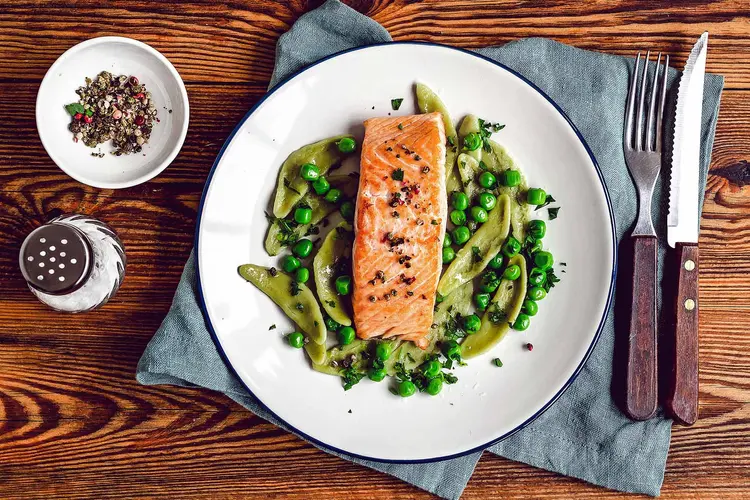
Practical volume eating strategies for athletes in fat loss phases: filling half the plate with non-starchy vegetables before adding protein and carbohydrate sources reduces caloric density while maintaining meal volume; drinking 500 mL of water before meals reduces caloric intake at the meal through gastric distension; using high-satiety-index foods (boiled potatoes, eggs, oatmeal, fish, legumes) as the foundation of meals provides more hunger suppression per calorie than low-satiety-index alternatives like refined carbohydrates and processed snacks.
Caffeine as an Appetite Suppressant
Caffeine has a modest, well-documented appetite-suppressing effect that operates through both central (adenosine receptor antagonism affecting hunger perception) and peripheral (increased catecholamine release affecting gut motility) mechanisms. Research consistently shows that caffeine reduces subjective hunger and caloric intake at subsequent meals, with effects lasting approximately 1 to 3 hours after consumption. A meta-analysis published in the European Journal of Nutrition confirmed that caffeine supplementation significantly reduced energy intake and increased energy expenditure, supporting its modest appetite-suppressing utility as part of a broader dietary strategy. The practical application for athletes is using coffee or caffeine-containing pre-workout drinks strategically around periods of highest hunger without becoming dependent on caffeine for appetite management. Caffeine tolerance develops rapidly (within 1 to 2 weeks of regular use), reducing its appetite-suppressing effectiveness at the same dose over time and requiring cycling or dose escalation to maintain the effect.
Sleep and Hunger Hormone Regulation
Sleep deprivation is one of the most potent appetite stimulants available, operating through direct hormonal disruption. Research published in the Annals of Internal Medicine found that two nights of sleep restriction (4 hours per night) reduced leptin levels by 18 percent and increased ghrelin levels by 28 percent compared to adequate sleep (10 hours per night), producing a significant increase in subjective hunger and appetite for calorie-dense foods. For athletes in fat loss phases, inadequate sleep creates a hormonal environment that directly opposes appetite management, making sufficient sleep (8 to 9 hours for athletes in active training) one of the most effective appetite suppressants available and, critically, one that is free and has no adverse effects on training performance. Prioritising sleep quality and duration during fat loss phases is as important as dietary strategy for successful caloric deficit maintenance, and is covered in depth in our cortisol and recovery guide.
Commercial Appetite Suppressant Supplements
Most commercial appetite suppressant supplements sold to athletes and bodybuilders have weak, inconsistent, or no clinical evidence for meaningful effects beyond what protein, fibre, caffeine, and adequate sleep provide. Common ingredients marketed as appetite suppressants include glucomannan (konjac fibre, which has modest evidence for satiety at 3 to 5 grams per day), green tea extract (catechins and caffeine combination with small but real appetite effects), 5-HTP (a serotonin precursor with some evidence for reduced caloric intake, but with potential serotonergic side effects at higher doses), and garcinia cambogia (hydroxycitric acid with largely negative clinical trial results for weight loss despite strong marketing). Prescription appetite suppressants (phentermine, naltrexone/bupropion, GLP-1 agonists like semaglutide) have documented clinical efficacy but are outside the scope of over-the-counter sports nutrition and require medical supervision. Athletes considering any commercial appetite suppressant should evaluate the clinical trial evidence directly before purchasing and should address the higher-priority interventions (protein intake, sleep, dietary fibre) first.
Frequently Asked Questions
Does Exercise Suppress or Increase Appetite?
Both, depending on exercise intensity, duration, and the individual. High-intensity exercise (above 70 percent VO2 max) acutely suppresses appetite for 1 to 2 hours post-exercise by increasing GLP-1 and PYY and decreasing ghrelin, whereas moderate intensity exercise has little acute appetite effect. However, over the day, training-induced energy expenditure often increases total daily appetite and caloric intake, which can partially or fully offset the caloric deficit created by training in athletes who do not consciously manage intake. This is why exercise alone without dietary management is relatively ineffective for fat loss in most people: the appetite upregulation from training compensates for a significant portion of the training-induced caloric expenditure. Strategic dietary management alongside training produces far better fat loss results than training alone.
What Is the Most Effective Natural Appetite Suppressant?
The evidence clearly points to high protein intake as the single most effective natural appetite suppressant with the strongest and most consistent clinical evidence base. Targeting 30 to 40 percent of calories from protein, distributed across 3 to 5 meals per day with 30 to 50 grams per meal, produces the most sustained appetite reduction available from dietary manipulation alone. This approach is also the most beneficial for muscle preservation during fat loss, making high protein intake the foundation of every evidence-based athlete fat loss strategy.
Control the Hunger. Control the Cut. Keep the Muscle.
Evidence-based fat loss starts with protein. Quality training starts with quality gear.
Shop Lifting Belt Shop Knee SleevesCertified strength and conditioning specialists with over 10 years of combined experience in powerlifting, nutrition coaching, and evidence-based fitness content. Based in New York City, the Genghis Fitness team tests every protocol in the gym before writing about it.