WONDERS OF POWERLIFTING: WHY THIS STRENGTH SPORT CAPTURES ATHLETES FOR A LIFETIME
Powerlifting is a strength sport built around three barbell exercises: the squat, bench press, and deadlift. Competitors are given three attempts at each lift in a single competition, and the best successful attempt at each lift is totaled to produce the competition total that determines the competitive result within a weight class. The sport has no complexity in its objective, which is simply to lift as much weight as possible in these three specific movements, but the training, technique mastery, equipment selection, and mental approach that produce maximum performance at competition involve as much depth and sophistication as any other athletic pursuit. The wonders of powerlifting are both the simplicity of its competition standard and the complexity of the path to excellence within it.
OBJECTIVE MEASURABILITY: THE DEFINING CHARACTERISTIC
The most compelling aspect of powerlifting as a strength sport is its objective measurability. Unlike physique sports or sports with subjective scoring, powerlifting performance is measured in kilograms with no room for subjectivity in the primary competitive metric. The athlete either lifts the weight or does not. The total kilograms lifted relative to bodyweight is the performance number that can be tracked, compared, and progressed over a career with perfect clarity. This objectivity makes powerlifting one of the most honest assessments of absolute strength development available in any athletic context, and the progressive improvement in that number over years of training is one of the most satisfying progressions in sport.
THE LONG DEVELOPMENT ARC: A SPORT THAT REWARDS PATIENCE
The long-term nature of powerlifting development is one of its defining characteristics as a strength sport. Research on strength adaptation timelines with consistent resistance training confirms that meaningful strength gains from resistance training accumulate across years and decades rather than weeks and months. Powerlifters typically reach competitive peak performance between 28 and 35 years of age after a decade or more of systematic training, and many remain competitive and continue improving into their 40s. This long development arc means powerlifting rewards the consistent, patient athlete who builds strength systematically over many years more than almost any other sport where peak performance windows are shorter and physical decline begins earlier.
TECHNICAL DEPTH BENEATH THE SIMPLE OBJECTIVE
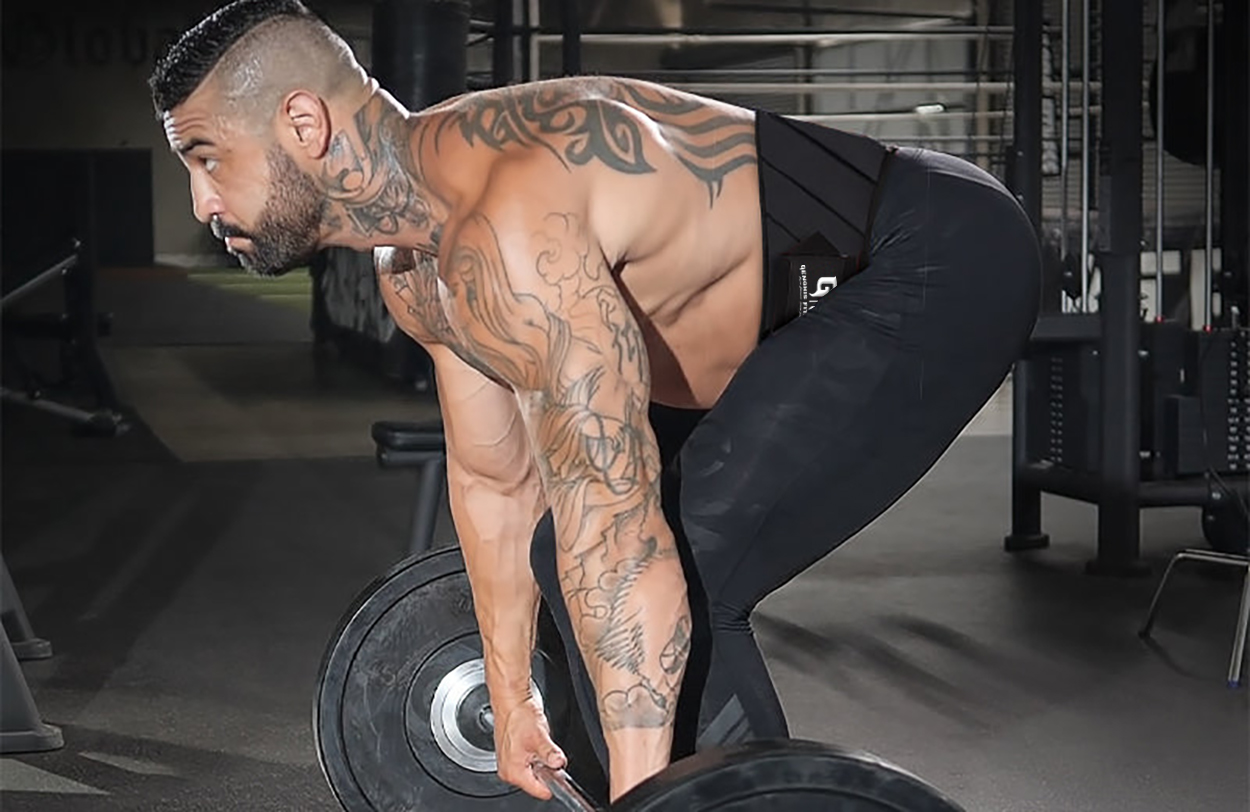
The technical depth required for competitive powerlifting is as demanding as any other strength sport discipline, despite the surface simplicity of moving a barbell from point A to point B. The squat technique that produces maximum performance within the rules requires years of deliberate practice across hundreds of competition-standard depth reps to automate to the level where it executes correctly under competition conditions. The bench press technique that produces maximum pressing performance involves specific scapular retraction, bar path, elbow angle, and drive mechanics that take months to develop and years to master at competition loading. The deadlift starting position, bracing, and drive mechanics that separate average from elite pulling are similarly deep in their technical requirements.
EQUIPMENT THAT ENABLES DECADES OF COMPETITIVE TRAINING
Powerlifting equipment enables athletes to train at the intensities required for competitive performance while managing the cumulative spinal and joint loading that near-maximum squatting, pressing, and pulling accumulates across a training career. Research on lifting belt use and lumbar spinal loading confirms that consistent belt use at appropriate intensities reduces the cumulative disc and facet joint loading that unprotected heavy training accumulates across thousands of training sessions. The 10mm lever belt and powerlifting leather belt are the tools that allow powerlifters to train at competitive intensities while protecting the spinal structures that decades of heavy compound lifting would otherwise progressively compromise.
THE COMMUNITY ASPECT OF POWERLIFTING COMPETITION
The community aspect of powerlifting is one of its genuine wonders. Competition events bring together athletes across the full weight class and age category spectrum, from teenage first-time competitors to masters-category athletes in their 60s, with the shared experience of the platform unifying participants who would otherwise have little in common. The powerlifting community’s culture of coaching support, encouragement for competitors at all levels, and celebration of personal bests regardless of absolute weight creates an athletic environment that many participants find more welcoming than team sports where only the most talented athletes receive recognition. The powerlifting platform equalizes through the total number, where a relative personal best at any weight class is as meaningful as any other performance within the sport’s standards.
THE THREE-LIFT STRUCTURE AND COMPLETE BARBELL STRENGTH DEVELOPMENT
The three-lift structure of powerlifting produces the most complete upper and lower body barbell strength development of any single-sport training system. The squat and deadlift together address every major muscle group from the calves through the upper back through the full range of motion that produces functional real-world strength. The bench press adds the horizontal pressing strength that completes the upper body development picture. An athlete who trains all three lifts systematically across a competitive powerlifting career develops the complete barbell strength foundation that supports athletic performance across practically every other physical activity they might pursue.
TRAINING VS COMPETITION EQUIPMENT
Equipment selection for powerlifting training encompasses both the functional tools that enable training quality and the competition-specific equipment that must meet federation approval standards. Knee sleeves throughout every squatting session and knee wraps for the heaviest competition-simulation sets develop the complete knee support system that serious squatting demands. Lifting straps for the training volume that precedes competition-standard bare-hand pulling builds the pulling strength that the competition ban on straps requires to be expressed without grip assistance. The training and competition equipment together create the complete preparation environment that produces competitive performance.
THE COMPETITION PLATFORM EXPERIENCE
The wonder of powerlifting that most athletes who compete in it describe as the defining experience of the sport is the moment of completing a maximum attempt at competition. The combination of months of systematic preparation, the precise execution of technique under competitive conditions, and the objective completion or failure of the lift produces an experience of athletic clarity that is difficult to replicate in other contexts. When the lift is completed, the result is immediately and objectively known. This clarity, and the training discipline required to earn it, is what draws athletes to powerlifting and retains them through the long development periods that meaningful competitive strength requires.
FINAL WORDS
Powerlifting is a strength sport of objective measurement, technical depth, long development arcs, and genuine community that produces the most complete barbell strength development available within any single competitive framework. The lever belt, powerlifting leather belt, knee sleeves, knee wraps, and lifting straps are the training equipment that enables the systematic preparation that competitive performance demands. Train the lifts correctly, prepare the equipment properly, compete with full commitment, and experience the objective clarity of the powerlifting platform as the athletic environment where strength development is measured in its purest form.
The wonder of powerlifting that is least apparent from the outside but most consistently described by participants is the training culture of precision and honesty it creates. Because the competitive standard is completely objective and the development timeline is measured in years, powerlifters develop a relationship with their training that is characterized by long-term thinking, honest self-assessment, and the patience to do the work that is required rather than the work that is most immediately satisfying. These qualities, developed through years of systematic powerlifting preparation, often extend into the competitor’s life outside the sport in ways that participants across age groups and competitive levels consistently describe as among the most valuable personal developments the sport produces.
Certified strength and conditioning specialists with over 10 years of experience in powerlifting, nutrition, and evidence-based fitness content. Based in New York City.