YOGA BLOCKS: HOW THIS SIMPLE TOOL IMPROVES MOBILITY, FORM, AND RECOVERY FOR STRENGTH ATHLETES
What Yoga Blocks Actually Do
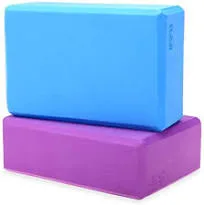
A yoga block is a foam, cork, or wood rectangular prop typically measuring 9 by 6 by 4 inches that brings the floor closer to the athlete. That might sound trivial, but the practical effect on mobility training is significant. When a lifter lacks the hip mobility, hamstring length, or ankle flexibility to reach the floor during a forward fold, seated stretch, or hip hinge, the body compensates by rounding the spine or collapsing into a position that provides no real stretching stimulus to the target tissues. A yoga block placed under the hands, the hips, or the floor-side foot removes the compensation and allows the athlete to access the correct position at their current mobility level. Research published in the Journal of Alternative and Complementary Medicine found that yoga practice with appropriate props significantly improved flexibility and functional movement quality in adults, with prop-assisted positions producing greater long-term mobility gains than forcing positions that exceed current range without support. For strength athletes who want to improve squat depth, hip hinge mechanics, and shoulder mobility, yoga blocks are a legitimate training tool, not just a beginner accommodation. Pair block-assisted mobility work with hip circle bands to combine mobility and glute activation in the same warm-up session.
Best Yoga Block Materials for Athletes
Foam Blocks
High-density foam yoga blocks are the most common type and the best starting point for most athletes. They are lightweight, comfortable against the skin during long stretching holds, and provide firm support without the complete rigidity of wood. High-density foam does not compress significantly under bodyweight, which means the block maintains its height reliably throughout a stretch session. They are the right choice for athletes who want a versatile, comfortable prop for daily mobility work.
Cork Blocks
Cork yoga blocks are denser and heavier than foam, providing a more stable base for balance-dependent poses and for use as a surface to press against during strength-based yoga movements. Cork has a natural, slightly textured surface that grips the floor and the hands without slipping during sweat-producing hot yoga or intense mobility sessions. For athletes who use blocks primarily as a stable pressing or balancing surface rather than just as height adjustment, cork is the superior material. Cork blocks are also more durable than foam over years of daily use.
Wood Blocks
Wooden yoga blocks are the most rigid option, providing an absolutely stable surface that does not flex or compress at all under load. They are preferred by practitioners who use blocks for arm balance poses where stability is critical, but their hardness makes them less comfortable than foam or cork for passive stretching holds of 60 seconds or longer. For strength athletes whose primary block application is mobility work rather than active balance training, foam or cork is generally more comfortable and equally functional.
How Strength Athletes Use Yoga Blocks
Improving Squat Depth With Heel Elevation
Placing yoga blocks under the heels during a squat raises the effective ankle angle, reducing the dorsiflexion demand that limited ankle mobility imposes on squat depth. Athletes who cannot achieve consistent parallel depth or whose heels rise off the floor during the descent often find that a 1 to 2 inch heel elevation from yoga blocks or standard heel plates immediately produces significantly deeper, more upright squats. This is not a permanent fix but a diagnostic and training tool: if heel elevation dramatically improves your squat depth, limited ankle dorsiflexion is your primary squat mobility limitation and should be addressed through targeted ankle stretching and calf lengthening work. Train with knee sleeves on all elevated heel squat sessions to keep the joint warm and supported.
Hip Elevation for Deeper Hip Stretches
Sitting on a yoga block during seated hip stretches, like pigeon pose or seated figure-4, elevates the hips slightly above the floor. This elevation reduces the hip flexion demand required to maintain an upright spine in the seated position, which allows athletes with tight hip flexors to hold the actual target stretch, the external hip rotation and glute stretch, rather than fighting to maintain spinal position against hip flexor tension. The block is removed progressively as hip flexor flexibility improves and the pelvis can tilt forward more freely in seated positions.
Hand Support in Forward Folds
During standing or seated forward folds, placing blocks under the hands brings the floor to the athlete and allows a flat-back hinge position that targets the hamstrings correctly. Athletes who cannot reach the floor with a flat back during a forward fold typically round through the lower back to compensate, which stretches the lumbar fascia rather than the hamstrings. Blocks at the right height allow the spine to stay long and the hamstrings to bear the full stretching tension. As hamstring length improves, progressively lower block heights are used until the floor is accessible with a flat back.
Supported Bridge Pose
Placing a yoga block under the sacrum during a supported bridge pose creates a passive hip extension stretch that decompresses the lumbar spine and gently opens the hip flexors without any muscular effort from the athlete. This is one of the most restorative positions available after a heavy lower body session, particularly for athletes whose hip flexors are chronically tight from alternating between heavy squats, deadlifts, and hours of seated desk work. Hold a supported bridge for two to three minutes per session, breathing slowly and allowing the hip flexors to lengthen passively.
Building a Block-Assisted Mobility Routine
A practical daily mobility routine using yoga blocks takes 10 to 15 minutes and addresses the primary restrictions that heavy barbell training creates: hip flexor tightness, ankle dorsiflexion limits, and hamstring length. Start with two minutes of supported bridge pose to open the hip flexors. Move to three minutes of pigeon pose with a block under the hip of the leading leg to access the hip external rotator stretch without spinal compensation. Finish with two minutes each side of a standing forward fold with blocks under the hands, progressively lowering block height as the hamstrings warm and lengthen. This sequence addresses the three most common mobility limitations in strength athletes in under 15 minutes, which is the realistic threshold for daily compliance.
As mobility improves across weeks and months, the blocks become less necessary for each position. The athlete who could not reach below knee height in a forward fold eventually reaches the floor. The athlete who needed a block under the hip in pigeon eventually sits flat without one. This progressive block removal tracks mobility development concretely without requiring flexibility testing, and the transitions happen naturally as capacity improves. Support this mobility work with warm, active joints: use knee sleeves before and after heavy sessions and address hip mobility directly with banded glute activation work that reinforces the range of motion the blocks help you access.
Common Yoga Block Mistakes
Using a block that is too tall for the current position is the most common error. The block should bring the athlete just to the edge of their current range, not deep into a position their tissues are not yet prepared for. A stretch that produces sharp pain, tingling, or a tearing sensation is being performed at too extreme an angle. The yoga block height should allow a sustained, productive stretch that is challenging but controlled. Start high and lower the block as the session progresses and tissues warm.
Rushing through block-assisted stretching is another common mistake. Mobility gains from stretching require sustained time under tension, not quick 10-second holds. Each position should be held for at minimum 60 seconds per side, with 90 second to 3 minute holds for chronic restrictions. The tissues need time to relax neurologically and begin the actual lengthening process, which takes far longer than most athletes allow in their post-training stretch routine.
FINAL WORDS
Yoga blocks are a cheap, effective, and underused tool for strength athletes serious about addressing the mobility limitations that heavy training creates and accumulates. They allow access to correct stretch positions at the athlete’s actual current mobility level rather than compensated positions that target the wrong tissues. Add a yoga block to your training accessories, build a 10-minute daily block-assisted routine around your primary mobility restrictions, and track the progress as each position requires progressively less support. The mobility gains earned through consistent block-assisted work carry directly into better squat depth, cleaner hinge mechanics, and healthier joints across a long training career.
Certified strength and conditioning specialists with over 10 years of experience in powerlifting, nutrition, and evidence-based fitness content. Based in New York City.