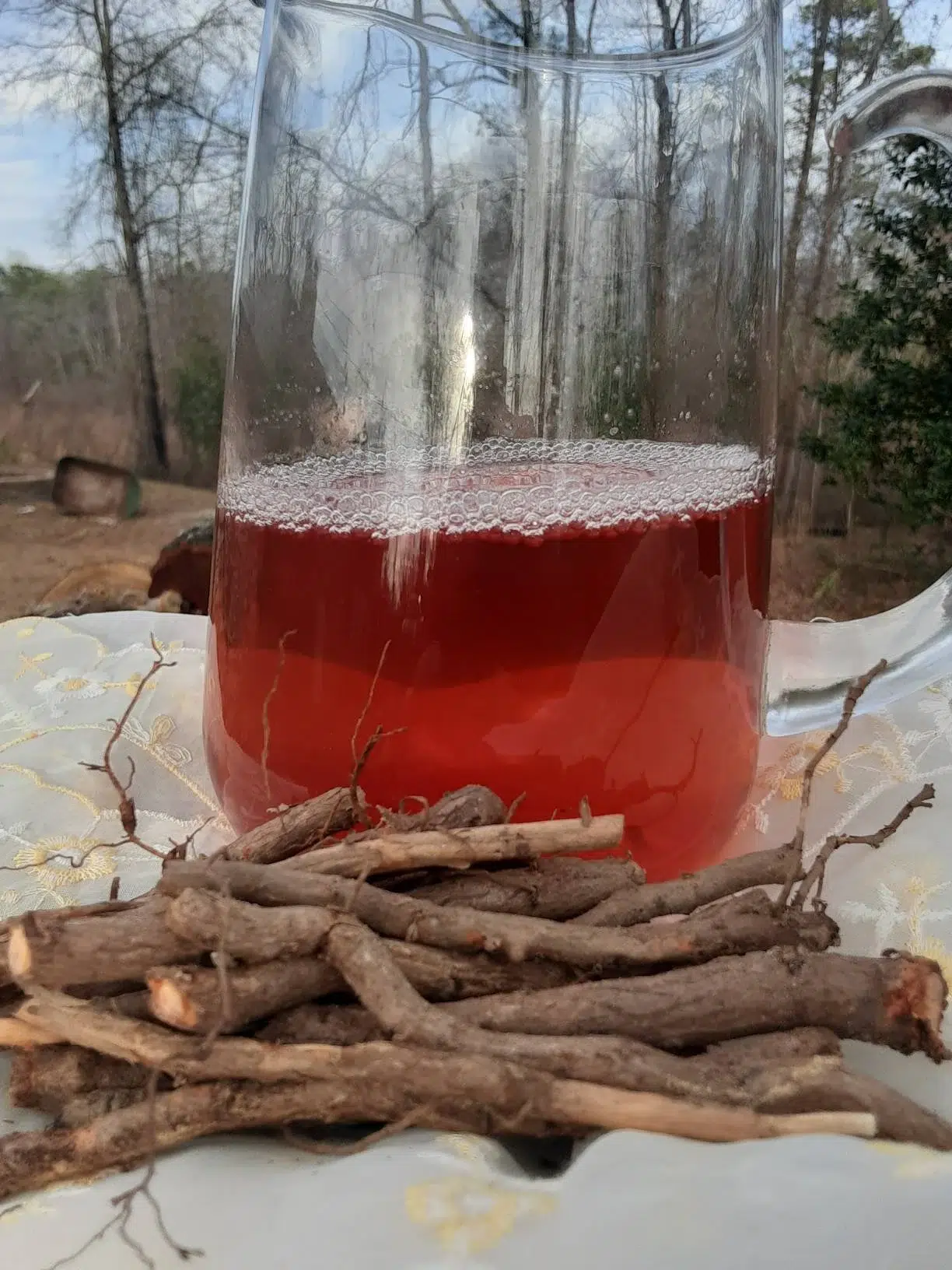
SASSAFRAS TEA: HISTORY, BENEFITS, AND THE SAFETY ISSUE YOU NEED TO KNOW ABOUT
Sassafras, the aromatic tree native to eastern North America, was one of the first American exports to Europe following colonial contact, valued highly as a medicinal plant and flavoring agent. The root bark tea was a foundational beverage in colonial American culture and the original flavor base of traditional root beer. Today, sassafras carries both a rich traditional heritage and a genuine safety consideration that any informed consumer needs to understand before drinking it.
THE HISTORY AND TRADITIONAL USES
Native American tribes across eastern North America used sassafras root tea for fevers, digestive complaints, rheumatic pain, and as a spring blood purifier. European colonists adopted these uses enthusiastically, and sassafras became one of the most traded commodities from the New World throughout the 17th and 18th centuries. Traditional uses focused on its warming, aromatic, anti-inflammatory, and depurative properties that aligned with both Native American and European herbal medicine frameworks.
The distinctive root beer flavor that made sassafras commercially significant for over three centuries comes primarily from safrole, the compound that also creates the modern safety concern. Understanding the history contextualizes the current regulatory and health picture without either dismissing the traditional applications or ignoring the genuine safety data.
WHAT SASSAFRAS CONTAINS
The primary bioactive compounds in sassafras root bark are safrole and isosafrole, phenylpropanoids that give the plant its characteristic aroma. These compounds are metabolized to epoxides in the liver that have demonstrated carcinogenicity in animal studies, which led the FDA to ban safrole as a food additive in 1960. The root bark also contains camphor, eugenol, sesquiterpenes, and tannins, which contribute antimicrobial, anti-inflammatory, and astringent properties independent of the safrole content.
Studies indexed on PubMed document the carcinogenic mechanism of safrole in rodents through cytochrome P450 enzyme-mediated epoxide formation. The human relevance of these findings at low dietary exposure levels is genuinely contested in the scientific literature, but the regulatory response to the animal carcinogenicity data has been consistent across US and European food safety authorities.
THE SAFROLE SAFETY QUESTION
The animal carcinogenicity studies that prompted the FDA safrole ban used doses significantly higher than those achievable from drinking sassafras tea. Critics of the ban have argued that the dose extrapolation from high-dose rodent studies to low-dose human tea consumption overstates the risk. This is a legitimate scientific debate, not a dismissal of genuine concern.
Safrole-free sassafras products, made by removing the safrole fraction through steam distillation of the essential oil, are available commercially and provide the flavor and some bioactive properties of sassafras without the carcinogenicity concern. For consumers who want to explore sassafras for its traditional applications, safrole-free preparations are the appropriate option. Whole root bark tea from unprocessed sassafras roots retains the safrole content and is not recommended for regular consumption by most toxicologists and food safety authorities.
ANTIMICROBIAL AND ANTI-INFLAMMATORY PROPERTIES
Beyond safrole, the eugenol content of sassafras provides the same broad-spectrum antimicrobial and anti-inflammatory properties documented for clove and basil, which contain eugenol as a primary active compound. The tannin content provides astringent effects relevant for digestive and skin applications. Camphor contributes mild analgesic and circulatory-stimulating properties.
These bioactive contributions, independent of the safrole carcinogenicity concern, represent the pharmacological basis for the traditional anti-inflammatory, antimicrobial, and digestive uses of sassafras. Similar and often stronger anti-inflammatory options without safety concerns are available from ginger tea, turmeric tea, and oregano tea, making the risk-benefit calculation for sassafras less favorable than for these alternatives.
TRADITIONAL SPRING TONIC APPLICATION
The spring tonic application of sassafras tea, drinking it for several weeks in early spring as a depurative or blood purifier, represents one of the most culturally significant traditional uses of the plant across North American folk medicine traditions. The concept of spring tonics reflects seasonal dietary shifts, the natural availability of bitter and aromatic plants, and the role of detoxifying plants in traditional health maintenance following a winter diet typically lower in fresh plant foods.
The specific mechanisms attributed to sassafras as a spring tonic include bile stimulation, diuretic effects, and the warming aromatic compounds supporting circulation and lymphatic drainage. These mechanisms are plausible from the compound profile. The modern version of this traditional application, using safrole-free sassafras preparations for a limited spring period rather than year-round consumption, represents the most reasonable balance between cultural tradition and current safety understanding.
ALTERNATIVES FOR THE TRADITIONAL APPLICATIONS
For the warming, aromatic, root beer-flavored tea experience without the safrole consideration, sarsaparilla root, dandelion root, and burdock root combined with wintergreen create a flavor profile similar to traditional root beer without any of the safety concerns. These alternatives provide their own genuine health benefits through prebiotic, liver-supportive, and anti-inflammatory mechanisms covered in our guides on burdock root tea and dandelion tea.
ROOT BEER AND AMERICAN CULINARY HERITAGE
Sassafras root bark was the primary flavoring agent in traditional American root beer before the FDA’s 1960 safrole ban required commercial root beer producers to shift to artificial sassafras flavor or safrole-free sassafras extract. The original recipes from colonial American households and 19th century herbal practitioners blended sassafras with other root herbs including sarsaparilla, burdock, dandelion, and ginger to create the bitter-sweet, warming beverages that were the ancestors of modern soft drinks.
Understanding this history enriches the context for sassafras tea beyond its medicinal applications. The plant was simultaneously a medicine, a beverage ingredient, a trade commodity, and a cultural touchstone in early American society. This multi-dimensional significance explains the depth of interest in sassafras across American herbal traditions that modern safety regulations have complicated but not eliminated.
MAKING AN INFORMED DECISION ABOUT SASSAFRAS
The current evidence base supports a nuanced position on sassafras tea. Occasional, infrequent consumption of traditional root bark tea poses a lower absolute risk than the regulatory language around carcinogenicity might suggest to a casual reader, because the dose matters enormously for the safrole carcinogenicity mechanism. The FDA ban addresses food additive use and regular consumption, not the occasional cup that represents traditional folk medicine practice.
Safrole-free sassafras bark, available from reputable herbal suppliers, provides the authentic flavor and many of the bioactive properties without the primary safety concern. For curious consumers who want to explore the traditional American herbal medicine heritage that sassafras represents, starting with safrole-free preparations and reserving whole root bark for genuinely occasional traditional applications reflects the most balanced informed approach available.
The conversation about sassafras inevitably raises broader questions about how we evaluate risk from traditional foods and medicines in the modern regulatory environment. The animal carcinogenicity data for safrole is scientifically real. The relevance of high-dose rodent data to low-dose human tea consumption is genuinely contested. Most toxicologists and pharmacologists are more comfortable with this uncertainty than the regulatory language around it suggests. Traditional foods that have been consumed across cultures for centuries without documented harm at traditional doses deserve the benefit of the doubt about the practical risk from occasional use, even when the isolated active compound shows carcinogenicity at the high doses used in laboratory testing. This is the framework most informed herbalists and toxicology researchers apply to sassafras, and it represents a more nuanced position than either uncritical traditional use or blanket avoidance of the entire plant.
FINAL WORDS
Sassafras has a fascinating history as one of the most culturally significant medicinal plants in North American tradition, and that history deserves to be understood rather than simply dismissed. The safrole carcinogenicity data is real, the dose question is genuinely contested, and the most rational approach is safrole-free preparations for occasional traditional applications rather than regular consumption of whole root bark tea. The plant’s antimicrobial, anti-inflammatory, and aromatic properties are genuine. They are also available from alternatives without the safety considerations that make sassafras a nuanced choice requiring informed decision-making rather than casual daily use.
Certified strength and conditioning specialists with over 10 years of combined experience in powerlifting, nutrition coaching, and evidence-based fitness content. Based in New York City, the Genghis Fitness team tests every protocol in the gym before writing about it.