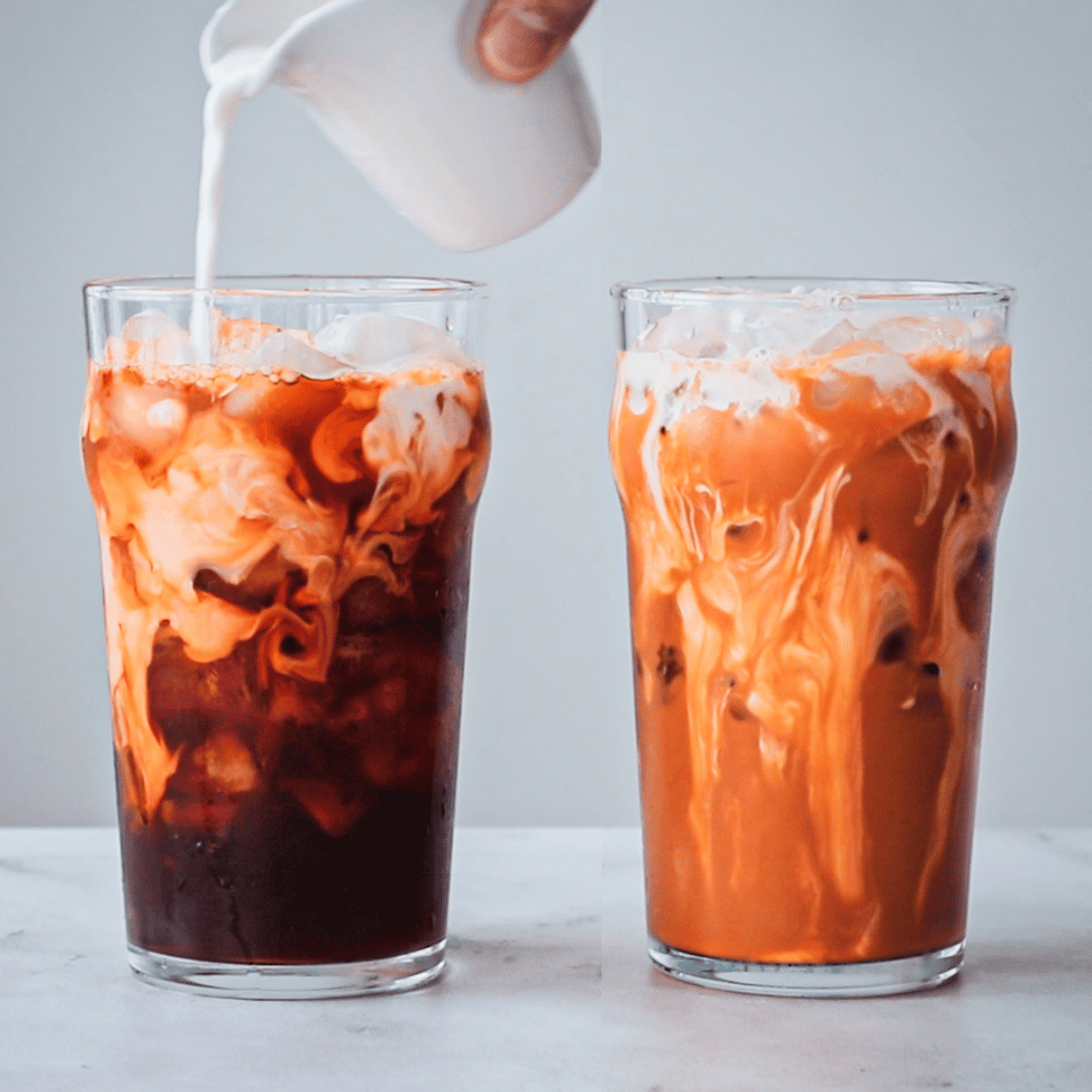
THAI TEA: THE ICONIC ORANGE DRINK FROM THAILAND AND ITS NUTRITION PROFILE
Thai tea, the vivid orange iced beverage served at Thai restaurants across the US and worldwide, is one of the most recognizable and beloved drinks in Southeast Asian cuisine. Made from strongly brewed Ceylon tea, sweetened condensed milk, and often evaporated milk, it has a distinctive color from the spice and food coloring blend added to the tea base, a rich, sweet flavor, and a devoted following among people who associate it with their favorite Thai meal. Understanding what is in it, its nutritional profile, and how it fits into a health-conscious diet provides the context for enjoying it intelligently.
WHAT IS IN TRADITIONAL THAI TEA
Traditional Thai tea starts with a strong brew of Ceylon or Assam black tea, often a commercial Thai tea blend that includes star anise, tamarind seeds, and sometimes turmeric or safflower that contributes to the orange color alongside artificial food coloring in commercial preparations. The brewed tea is sweetened with significant amounts of granulated or palm sugar, then poured over ice and topped with sweetened condensed milk or a combination of evaporated and sweetened condensed milk.
The resulting drink combines the tannins and caffeine of strong black tea with dairy fat and protein from the condensed milk components, and a substantial sugar load from the sweetener and condensed milk’s sugar content. Studies indexed on PubMed on the bioavailability of black tea polyphenols confirm that milk proteins bind to some tea polyphenols and reduce their absorption, which is relevant for Thai tea given its high dairy content.
NUTRITIONAL PROFILE
A standard 16-ounce Thai tea from a restaurant contains approximately 180 to 300 calories depending on the specific recipe and portion sizes used, with most of the caloric load coming from sugar and condensed milk fat. Sugar content is typically 30 to 50 grams per serving, placing it firmly in the high-added-sugar beverage category that nutrition guidelines recommend limiting.
The black tea base provides caffeine at approximately 50 to 80mg per 16-ounce serving from the strong brew used, which is moderate and relevant for caffeine-sensitive individuals ordering Thai tea as a casual beverage at dinner. The condensed milk provides calcium and dairy protein alongside its sugar and fat content. The star anise contributes anethole with mild digestive properties.
THE HEALTH TRADE-OFFS
The black tea base of Thai tea provides genuine health value through theaflavins, thearubigins, and other polyphenols with documented cardiovascular and antioxidant effects as covered in our black tea health guide. However, the milk protein-polyphenol binding that occurs in milk tea preparations reduces polyphenol bioavailability compared to black tea consumed without milk. Thai tea’s very high milk ratio further diminishes the net polyphenol benefit from the tea base.
The sugar content is the primary nutritional concern for regular consumers. Forty grams of added sugar per beverage represents 160 calories from sugar alone and approaches or exceeds the American Heart Association’s daily recommended maximum of 25 to 36 grams of added sugar. For athletes managing energy balance and blood sugar stability, treating Thai tea as an occasional treat rather than a daily beverage makes nutritional sense.
MAKING A HEALTHIER VERSION AT HOME
A homemade Thai tea with reduced sugar retains the distinctive flavor while significantly lowering the caloric and glycemic load. Brew the tea extra strong using two to three Thai tea bags or two tablespoons of loose leaf Thai tea blend per cup. Sweeten with one to two teaspoons of sugar or a natural alternative rather than the tablespoon-scale amounts in restaurant versions. Top with unsweetened evaporated milk or full-fat coconut milk for creaminess without the condensed milk sugar load.
The resulting beverage has a similar flavor profile at approximately 60 to 90 calories per serving versus the 200-plus calories of the traditional preparation. For athletes who love Thai tea as part of their food culture and want to incorporate it regularly rather than treating it as a rare indulgence, the reduced-sugar homemade version achieves this balance.
THE CAFFEINE AND DAIRY COMBINATION
Thai tea is one of the few common beverages that combines meaningful caffeine content with significant dairy fat and protein in a single drink. This combination slows caffeine absorption compared to black coffee due to fat-delayed gastric emptying, producing a smoother and more sustained caffeine effect rather than a sharp peak. For people sensitive to the jitteriness of coffee but wanting a caffeinated beverage, the buffered caffeine release from Thai tea is a practical advantage.
The calcium and protein from the condensed milk component adds a minor nutritional contribution alongside the caloric load. For athletes who already consume adequate protein and calcium from other dietary sources, this contribution is nutritionally insignificant. For casual consumers who are not tracking macronutrients, the dairy component of Thai tea adds to daily calcium intake in a form that most people find considerably more appealing than a plain glass of milk.
THAI TEA IN THE CONTEXT OF BROADER TEA CULTURE
Thai tea represents one of many regional tea cultures that have developed distinctive preparation methods reflecting local ingredients, flavors, and social contexts. Like Moroccan mint tea, Indian chai, and Hong Kong milk tea, it prioritizes flavor experience and cultural meaning alongside any functional properties the tea base provides. Understanding it in this cultural context allows appropriate appreciation without either health-washing it as a functional beverage or dismissing it as nutritionally meaningless.
For the most health-relevant caffeinated tea experiences, the unmodified black tea, oolong, and green tea preparations covered across our tea guides provide the polyphenol and health benefits without the added sugar. Thai tea earns its place as a cultural and sensory pleasure within a health-conscious diet when consumed with the same moderation that any high-sugar beverage deserves.
THE REGIONAL VARIATIONS OF THAI TEA
Thai tea preparation varies considerably between regions of Thailand and even more between the in-country versions and the adaptations served internationally. In Thailand itself, the sweetness level varies by region, with southern Thai tea preparations often less sweet than the concentrated versions adapted for international restaurant menus. Some Thai tea preparations use whole spices including star anise and cardamom visible in the steeped liquid, while others use pre-blended commercial tea mixes with these flavors incorporated into the dry blend.
Hong Kong milk tea, Taiwanese bubble milk tea, and Vietnamese iced coffee with condensed milk occupy adjacent cultural spaces to Thai tea in terms of the strong-tea-with-condensed-milk flavor profile. Each has its own distinct character from different tea varieties, different spice additions, and different milk-to-tea ratios. Understanding these regional variations gives context for how widely the concept of sweetened, milky, strongly-brewed iced tea has spread across Southeast and East Asian food cultures independently in ways that converge on similar flavor profiles through distinct culinary traditions.
CAFFEINE-FREE ALTERNATIVES FOR THAI FOOD PAIRINGS
For people who love Thai food but want caffeine-free beverage options or lower sugar alternatives alongside their meal, the culinary flavor profile of Thai tea can be approximated through caffeine-free herbal teas with complementary spice notes. A rooibos tea base with star anise, cinnamon, and a small amount of coconut milk creates a warm, spiced, slightly creamy beverage that captures much of the flavor character of Thai tea with none of the caffeine and dramatically reduced sugar when prepared at home with minimal sweetening.
This caffeine-free version is appropriate for evening Thai food dinners when caffeine timing is a concern, for children who are drawn to the appealing orange color and sweet flavor, and for anyone who enjoys the spiced-milk tea flavor profile without wanting the caloric and sugar contribution of the traditional preparation. Culinary creativity with well-studied herbal tea bases and traditional spice combinations produces genuinely satisfying alternatives to high-sugar commercial beverages.
FINAL WORDS
Thai tea is a genuinely enjoyable beverage with roots in Thai food culture and a distinctive flavor that explains its enduring popularity across the world. Its nutrition profile, high in sugar and dairy fat with a moderate caffeine contribution and reduced polyphenol bioavailability from milk binding, positions it correctly as an occasional pleasure rather than a daily health beverage. Making it at home with reduced sugar allows more frequent enjoyment without the caloric and glycemic consequences of restaurant portions. Understand what is in it, enjoy it for what it is, and it fits naturally into a balanced approach to food culture and health without conflict.
Certified strength and conditioning specialists with over 10 years of combined experience in powerlifting, nutrition coaching, and evidence-based fitness content. Based in New York City, the Genghis Fitness team tests every protocol in the gym before writing about it.