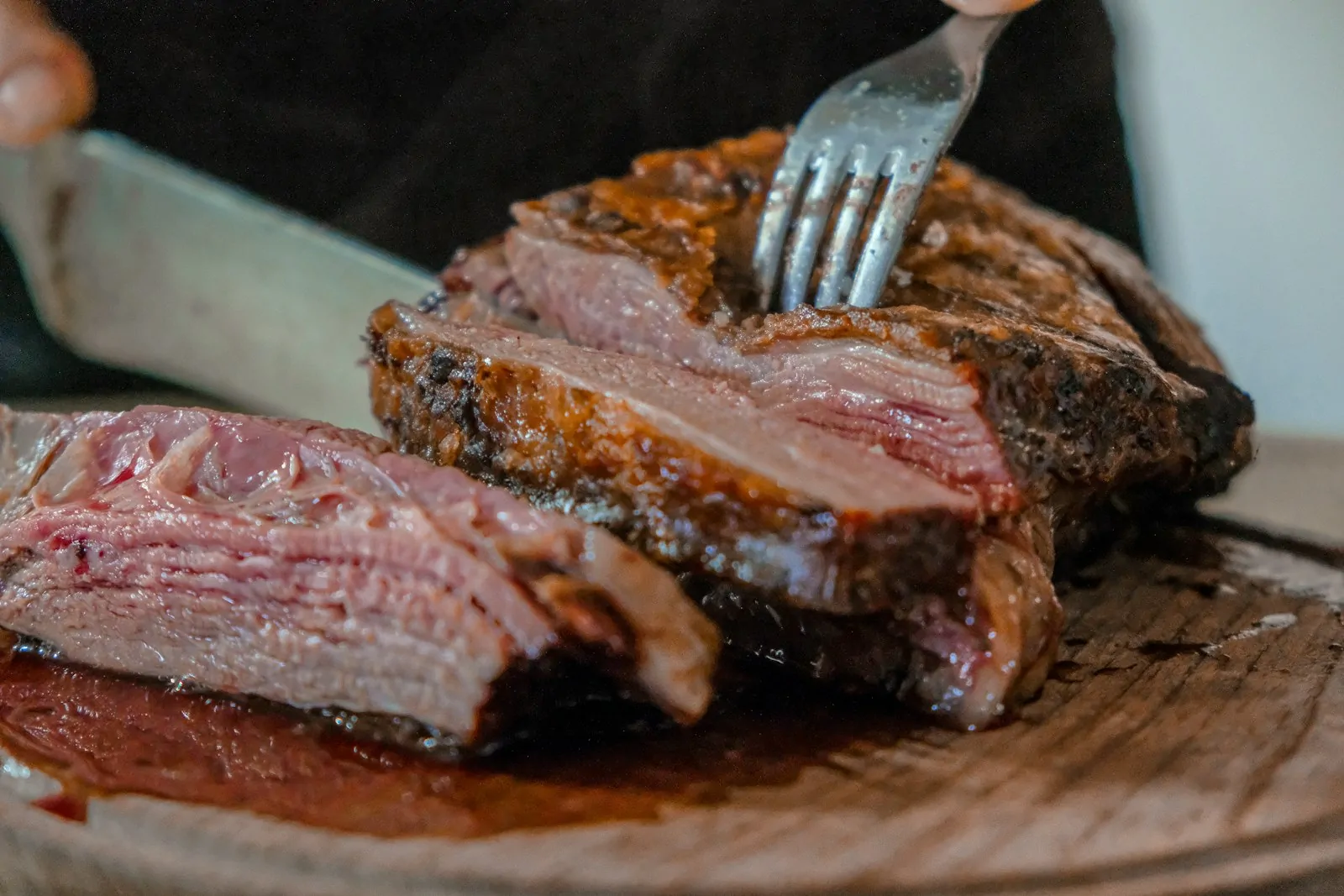
Are you looking for a nutrient-dense diet that aligns with ancestral eating patterns? An animal-based diet might be the answer you’re seeking. This eating approach emphasizes consuming animal-derived products while allowing for limited intake of certain plant foods. We’ll explore the foundations of an animal-based diet, which prioritizes nutrient-rich sources of protein and fat from well-raised meats, organ meats, and raw dairy. Unlike its stricter counterpart, the carnivore diet, an animal-based approach offers more flexibility by incorporating some low-toxin plant foods. This balance can make it easier to maintain long-term while potentially addressing modern health concerns like metabolic disorders and gut issues. Throughout this article, we’ll investigate into the key components of an animal-based diet, its potential benefits, and how it differs from other popular eating plans. Whether you’re considering a dietary change or simply curious about alternative nutrition approaches, we’ve got you covered. WHAT IS AN ANIMAL-BASED DIET? An animal-based diet primarily focuses on consuming foods derived from animal sources. This dietary approach emphasizes nutrient-dense animal products while allowing limited intake of certain plant foods. DEFINITION AND CORE PRINCIPLES The animal-based diet centers around the consumption of high-quality animal products. These include: Meat (preferably grass-fed and pasture-raised) Dairy products (often raw and unpasteurized) Organ meats (such as liver, heart, and brain) The core principles of this diet are: Prioritizing nutrient-dense, bioavailable animal sources Minimizing potential inflammatory compounds found in some plant foods Incorporating small amounts of low-toxicity plant foods (e.g., fruits, honey) Focusing on well-raised animal products to ensure optimal nutrient intake Proponents argue that this approach aligns more closely with ancestral eating patterns and may address modern health issues like metabolic disorders and gut problems. DIFFERENCES FROM CARNIVORE AND OTHER DIETS The animal-based diet differs from other dietary approaches in several key aspects: Carnivore Diet: Animal-based diet: Includes mostly animal products but allows some plant foods Carnivore diet: Strictly limits intake to animal products only, excluding all plant foods 2. Food Variety: Animal-based diet: Offers more flexibility and a wider range of food choices Carnivore diet: More restrictive, focusing solely on animal sources 3. Carbohydrate Intake: Animal-based diet: May include some carbohydrates from fruits and honey Carnivore diet: Essentially a zero-carb approach 4. Plant-Based Diets: Animal-based diet: Emphasizes animal products with limited plant food intake Plant-based diets: Focus primarily on plant foods, with limited or no animal products This flexibility in the animal-based diet can make it easier to maintain long-term compared to stricter approaches like the carnivore diet. FOODS TO EAT ON AN ANIMAL-BASED DIET An animal-based diet focuses on nutrient-dense foods derived from animal sources. Here’s a breakdown of the key food groups to include in this dietary approach. MEATS AND ORGANS Meats and organs form the foundation of an animal-based diet. We recommend prioritizing ruminant meats like beef, lamb, and goat, as they’re rich in essential nutrients. Organ meats, such as liver, heart, and kidney, are particularly nutrient-dense and should be incorporated regularly. These foods provide high-quality protein, essential fatty acids, and vital micronutrients. Grass-fed and pasture-raised meats are preferred for their optimal nutrient profiles. Wild game is another excellent option, offering lean protein and unique nutrient compositions. Eggs from free-range or pasture-raised chickens are also highly valued in this diet, providing a complete protein source and important vitamins and minerals. RAW DAIRY PRODUCTS Raw dairy products are a important component of an animal-based diet. We emphasize the importance of full-fat, unpasteurized dairy for its superior nutritional profile. Raw milk, cheese, and yogurt contain beneficial enzymes, probiotics, and easily digestible nutrients that may be altered or destroyed during pasteurization. A2 dairy, which contains a exact protein variant, is often recommended for its potential digestive benefits. While raw dairy isn’t always easily accessible, it’s considered nutritionally optimal. If raw dairy isn’t available, high-quality, grass-fed pasteurized dairy can be a suitable alternative. Always ensure you’re sourcing raw dairy products from reputable, clean sources to minimize potential risks. LOW-TOXICITY PLANT FOODS While the animal-based diet primarily focuses on animal products, it allows for the inclusion of certain low-toxicity plant foods. Fruits are generally considered acceptable, providing natural sweetness and additional micronutrients. Honey is also permitted as a natural sweetener. Some variations of the diet may include small amounts of low-toxicity vegetables, herbs, and spices. These plant foods can add flavor variety and provide additional phytonutrients without significantly increasing the intake of potential antinutrients or plant toxins. But, it’s important to note that the consumption of plant foods is typically limited and secondary to animal-based foods in this dietary approach. FOODS TO AVOID OR LIMIT An animal-based diet focuses on nutrient-dense animal products while limiting certain plant foods and processed items. Here’s a breakdown of foods typically avoided or restricted in this dietary approach. HIGH-TOXICITY PLANT FOODS Animal-based diets often recommend limiting or avoiding plant foods considered high in toxins or antinutrients. These include: Grains and legumes: Wheat, rice, oats, lentils, and beans High-antinutrient vegetables: Spinach, kale, and legumes Nightshades: Tomatoes, white potatoes, eggplants, and peppers Cruciferous vegetables: Broccoli, cauliflower, Brussels sprouts, and cabbage Alliums: Onions and garlic Nuts and seeds: Almonds, walnuts, cashews, chia, flax, and sunflower seeds These foods contain compounds like lectins, phytates, and oxalates, which some believe can interfere with nutrient absorption or cause digestive issues. But, it’s important to note that many of these foods also offer nutritional benefits when consumed in moderation. PROCESSED AND REFINED FOODS The animal-based diet typically excludes or severely limits processed and refined foods, including: Ultra-processed foods: Soda, pastries, chips, pretzels, pizza, cereals, and candies Artificial sweeteners: Sucralose, aspartame, stevia, and monk fruit Refined sugars and sweeteners Highly processed plant-based products: Soy-based foods and artificial meat substitutes Vegetable and seed oils: Canola, corn, soybean, rapeseed, cottonseed, safflower, and sunflower oils These foods are often avoided due to their low nutrient density, potential for inflammation, and high levels of additives or artificial ingredients. The focus is on whole, minimally processed foods, primarily from animal sources. POTENTIAL BENEFITS OF AN ANIMAL-BASED DIET An animal-based diet offers several potential health benefits. This approach to eating emphasizes nutrient-dense animal products while limiting plant-based foods, potentially leading to improved overall health and well-being. NUTRIENT DENSITY Animal-based diets are highly nutrient-dense, providing essential vitamins and minerals in bioavailable forms. Meat, organs, fish, eggs, and dairy are rich sources of B vitamins, iron, zinc, and omega-3 fatty acids. These nutrients are often more easily absorbed by the body compared to those found in plant foods. For example, heme iron from animal sources is up to 3 times more bioavailable than non-heme iron from plants. Animal products also offer complete proteins containing all essential amino acids, supporting muscle growth and repair. This nutrient density can help prevent deficiencies and support optimal bodily functions. WEIGHT MANAGEMENT The high protein and fat content in animal-based foods can contribute to effective weight management. Protein has a higher thermic effect than carbohydrates or fats, meaning the body burns more calories digesting it. Studies show that high-protein diets can increase metabolism by up to 80-100 calories per day. Also, protein and fat promote satiety, potentially reducing overall calorie intake. A study published in the American Journal of Clinical Nutrition found that participants on a high-protein diet naturally consumed 441 fewer calories per day compared to those on a normal-protein diet. This increased satiety and reduced calorie intake can support weight loss and maintenance efforts. BLOOD SUGAR REGULATION An animal-based diet’s emphasis on protein and healthy fats can help stabilize blood sugar levels. Unlike carbohydrates, protein and fat have minimal impact on blood glucose, preventing rapid spikes and crashes. Research indicates that replacing carbohydrates with protein can reduce post-meal blood glucose by up to 40%. This stabilization of blood sugar levels can be particularly beneficial for individuals with diabetes or those at risk of developing the condition. A study in the American Journal of Clinical Nutrition found that a high-protein, low-carbohydrate diet improved glycemic control in people with type 2 diabetes, reducing HbA1c levels by 0.5% over 24 weeks. REDUCED INFLAMMATION Animal-based diets may offer anti-inflammatory benefits, potentially alleviating symptoms of autoimmune diseases and inflammatory conditions like arthritis. The nutrient-dense nature of animal products provides a wide array of micronutrients, vitamins, minerals, and antioxidants that combat oxidative stress and reduce inflammation. For instance, omega-3 fatty acids found in fatty fish have potent anti-inflammatory properties. A study in the Journal of the American College of Nutrition found that increasing omega-3 intake reduced markers of inflammation by up to 33%. Also, by limiting certain plant foods high in antinutrients, an animal-based diet may help reduce digestive inflammation, particularly beneficial for those with inflammatory bowel conditions. POSSIBLE RISKS AND DOWNSIDES While an animal-based diet offers many benefits, it’s essential to consider potential risks and downsides. We’ll examine several key concerns associated with this dietary approach, including nutrient deficiencies, increased cholesterol levels, digestive issues, and sustainability concerns. NUTRIENT DEFICIENCIES An animal-based diet can lead to important nutrient deficiencies due to its limited food variety. By excluding fruits, vegetables, legumes, and whole grains, this diet lacks essential nutrients like vitamin C, fiber, and various antioxidants. Plant-based foods provide crucial micronutrients, including folate and beneficial plant compounds linked to reduced risks of chronic diseases such as heart disease, certain cancers, Alzheimer’s, and Type 2 diabetes. Without these plant-derived nutrients, individuals following an animal-based diet may face increased health risks and compromised overall well-being. To mitigate these deficiencies, careful meal planning and potential supplementation may be necessary. INCREASED CHOLESTEROL LEVELS The animal-based diet’s high intake of saturated fat and cholesterol, primarily from meat, eggs, and dairy products, can significantly impact cardiovascular health. This dietary pattern often leads to elevated LDL (low-density lipoprotein) cholesterol levels, commonly known as “bad” cholesterol. High LDL cholesterol is a major risk factor for heart disease, as it contributes to the formation of arterial plaque. While some proponents argue that dietary cholesterol doesn’t necessarily translate to higher blood cholesterol for everyone, the long-term effects of consistently high saturated fat intake remain a concern for many health professionals. Regular cholesterol monitoring and consultation with a healthcare provider are advisable for those following an animal-based diet. DIGESTIVE ISSUES Adopting an animal-based diet can lead to digestive challenges for some individuals. The lack of dietary fiber, which is primarily found in plant-based foods, may result in constipation and altered gut microbiome composition. Fiber plays a crucial role in maintaining regular bowel movements and promoting the growth of beneficial gut bacteria. Without adequate fiber intake, the digestive system may struggle to function optimally. Also, the high protein and fat content of an animal-based diet can be difficult for some people to digest, potentially causing discomfort, bloating, or other gastrointestinal issues. Gradual dietary transitions and careful attention to individual digestive responses are important considerations when adopting this eating pattern. SUSTAINABILITY CONCERNS The environmental impact of an animal-based diet raises important sustainability concerns. Large-scale animal agriculture contributes to greenhouse gas emissions, deforestation, and water pollution. The production of animal-based foods typically requires more land, water, and energy compared to plant-based alternatives. This intensive resource use can strain ecosystems and exacerbate climate change. Besides, the increasing global demand for animal products may lead to unsustainable farming practices and potential food security issues. While choosing sustainably sourced animal products can mitigate some concerns, the overall environmental footprint of an animal-based diet remains a critical consideration for those weighing its adoption against broader ecological impacts. IMPLEMENTING AN ANIMAL-BASED DIET Implementing an animal-based diet requires careful planning and consideration. We’ll explore practical tips for meal planning and strategies for eating out while adhering to this dietary approach. MEAL PLANNING TIPS Animal-based meal planning centers on nutrient-dense animal products. We recommend focusing on fatty cuts of meat, organ meats, and eggs as the foundation of your meals. Include a variety of animal proteins like beef, lamb, pork, and fish to ensure a broad nutrient profile. Incorporate bone broth and collagen-rich foods to support gut health and joint function. Plan your meals around protein sources, aiming for 1-1.5 grams of protein per pound of body weight daily. Use animal fats like tallow, lard, or ghee for cooking to increase satiety and flavor. If including dairy, opt for full-fat, raw options when possible. For those incorporating limited plant foods, choose low-toxicity options like berries or honey as occasional additions. Prepare meals in bulk to save time and ensure you always have animal-based options available. Consider intermittent fasting or time-restricted eating to complement your animal-based approach and potentially enhance metabolic benefits. EATING OUT ON AN ANIMAL-BASED DIET Dining out while following an animal-based diet can be challenging but manageable with the right strategies. We suggest researching restaurant menus in advance to identify suitable options. Steakhouses and seafood restaurants often offer the best choices for animal-based eaters. When ordering, focus on plain meat dishes without sauces or marinades, which may contain unwanted ingredients. Request that your meat be cooked in butter or animal fat instead of vegetable oils. Opt for side dishes like eggs or additional meat instead of plant-based sides. Don’t hesitate to communicate your dietary needs to the server or chef. Many restaurants are willing to accommodate special requests. Consider ordering a la carte to create a meal that aligns with your animal-based approach. For fast food options, choose bunless burgers or grilled chicken without sauces. Some establishments offer lettuce wraps as alternatives to buns. Always ask about cooking methods and ingredients to ensure your meal fits within your dietary framework. LIFESTYLE CONSIDERATIONS An animal-based diet significantly impacts various aspects of our daily lives. It’s crucial to understand how this dietary approach interacts with exercise, movement, sleep, and stress management for optimal health and well-being. EXERCISE AND MOVEMENT An animal-based diet supports muscle growth, repair, and recovery, making it ideal for those engaged in regular physical activity. The high protein content from animal sources helps maintain and build muscle mass, improving overall physical health and performance. We recommend balancing this diet with a combination of aerobic and strength training exercises to maximize its benefits. Regular exercise complements the nutritional advantages of an animal-based diet, preventing potential issues like weight gain or muscle imbalances. Incorporating activities such as weightlifting, high-intensity interval training (HIIT), and low-impact cardio can optimize the diet’s effects on body composition and energy levels. SLEEP AND STRESS MANAGEMENT An animal-based diet can positively influence sleep quality and stress management. The high protein and fat content helps stabilize blood sugar levels, potentially reducing sleep disturbances and promoting more restful nights. We’ve found that consuming nutrient-dense animal products can support the production of sleep-regulating hormones like melatonin. To manage stress effectively while following an animal-based diet, we suggest incorporating stress-reduction techniques such as meditation, deep breathing exercises, or yoga. These practices, combined with the diet’s potential anti-inflammatory effects, may help mitigate the physical impacts of stress on the body. Also, ensuring adequate intake of omega-3 fatty acids from sources like fatty fish can further support mood regulation and stress resilience. CONCLUSION The animal-based diet offers a unique approach to nutrition focusing on nutrient-dense animal products. While it provides potential benefits like improved nutrient absorption and blood sugar control it’s not without risks. We’ve explored its principles foods to include and avoid potential health impacts and practical implementation strategies. As with any dietary change it’s crucial to consider individual needs and consult healthcare professionals. The animal-based diet presents an intriguing option for those seeking alternative nutritional approaches but requires careful consideration of its benefits and drawbacks.
Certified strength and conditioning specialists with over 10 years of combined experience in powerlifting, nutrition coaching, and evidence-based fitness content. Based in New York City, the Genghis Fitness team tests every protocol in the gym before writing about it.
For more structured approaches to diet and body composition, explore intermittent fasting diet plan and the Galveston diet — both provide practical frameworks for making dietary changes stick over the long term.
SUPPORT YOUR TRAINING THROUGH YOUR DIET CHANGE
Diet changes work best when combined with consistent strength training. A lifting belt protects your lower back through every heavy compound session regardless of where you are in a cut or recomposition.
Shop Nylon Lifting Belt