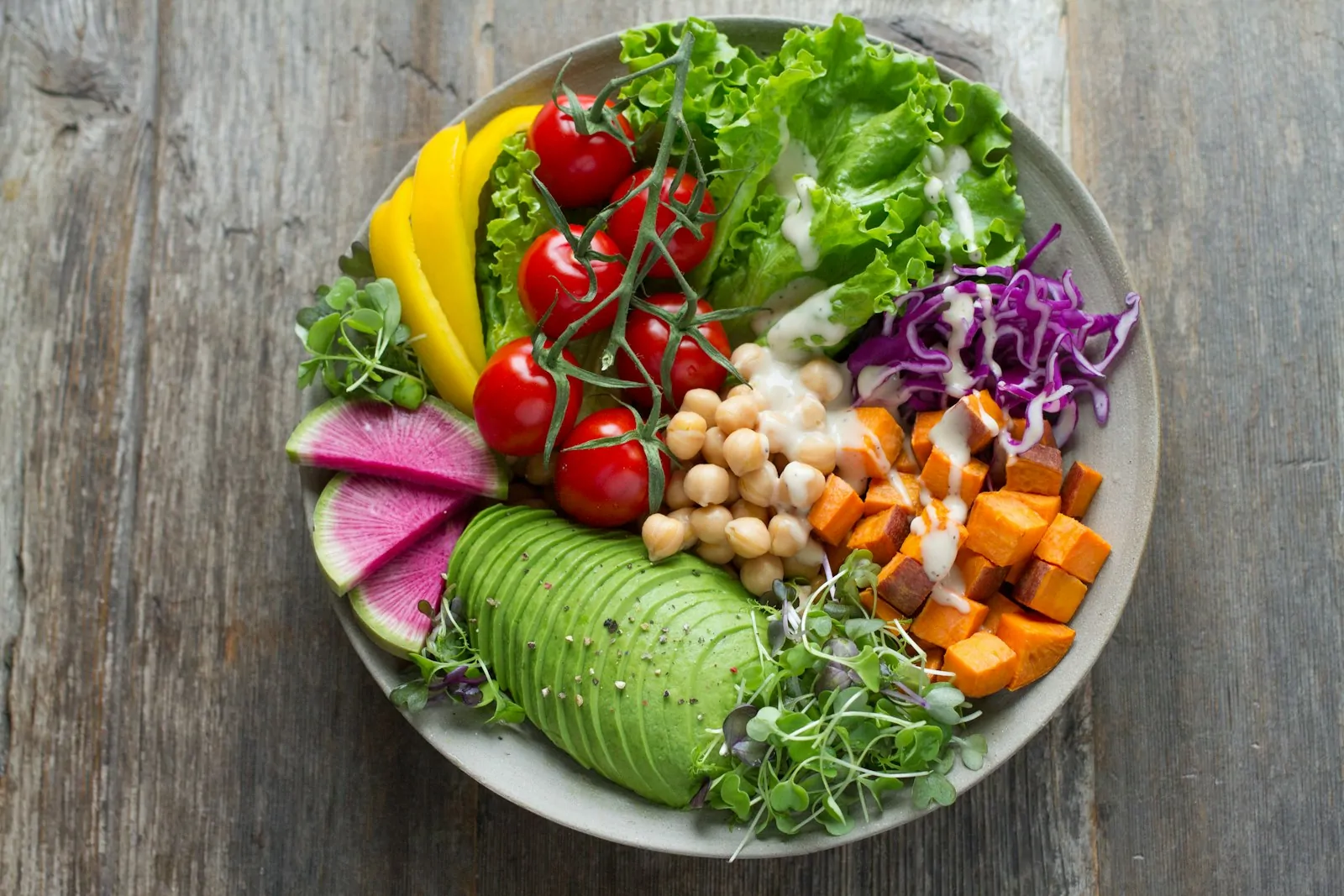
Are you experiencing the rollercoaster of perimenopause symptoms? You’re not alone. As women approach this transitional phase, many of us find ourselves searching for natural ways to manage the changes in our bodies. That’s where the perimenopause diet comes in.
We’ll explore how adapting our eating habits can help alleviate common symptoms like mood swings, hot flashes, and sleep disturbances. From omega-3 rich foods to anti-inflammatory choices, we’ll jump into the nutrients that can make a real difference during this time. Our guide will provide you with practical tips and delicious recipes to support your body through perimenopause, helping you feel your best as you navigate this new chapter in your life.
UNDERSTANDING PERIMENOPAUSE AND NUTRITION
Perimenopause marks a important transition in a woman’s life, and nutrition plays a crucial role in managing symptoms and maintaining overall health. During this phase, the body undergoes hormonal changes that can impact various aspects of well-being, making it essential to focus on a balanced and nutrient-rich diet.
KEY COMPONENTS OF A PERIMENOPAUSE DIET
Protein intake becomes increasingly important during perimenopause. It helps:
Maintain lean muscle mass
We recommend aiming for 20-30 grams of protein per meal. Excellent sources include:
Plant-based options like tofu and nuts
A fiber-rich diet is essential for:
Improving body composition
Supporting overall health
To ensure adequate fiber intake, incorporate these foods into your diet:
By focusing on these key components, we can help address the nutritional needs exact to perimenopause. A well-balanced diet rich in protein and fiber supports the body’s changing requirements and helps manage common perimenopausal symptoms.
KEY COMPONENTS OF A PERIMENOPAUSE DIET
A well-balanced perimenopause diet includes exact nutrients that support hormonal balance and overall health. We’ll explore five essential components that form the foundation of a nutritious perimenopause diet.
PROTEIN-RICH FOODS
Increasing protein intake is crucial during perimenopause. Our bodies’ appetite for protein rises due to hormonally-induced tissue protein breakdown. Adequate protein consumption helps prevent overconsumption of other energy sources, which can lead to weight gain. We recommend aiming for 20-30 grams of protein per meal from sources such as:
Legumes (chickpeas, soybeans, lentils)
Incorporating these protein-rich foods into our daily meals supports muscle maintenance, reduces hunger, and helps manage weight during perimenopause.
CALCIUM AND VITAMIN D SOURCES
Calcium and vitamin D are essential for maintaining bone health during perimenopause when the risk of osteoporosis increases. We should focus on including these nutrients in our diet through:
Green leafy vegetables
Fortified plant-based milks
For optimal absorption, we need both calcium and vitamin D. While sunlight exposure helps with vitamin D synthesis, dietary sources include eggs and mushrooms. Aim for 1000-1200 mg of calcium and 600-800 IU of vitamin D daily. During winter months in certain regions, vitamin D supplementation of 2000 IU per day may be beneficial.
OMEGA-3 FATTY ACIDS
Omega-3 fatty acids play a crucial role in managing perimenopause symptoms. These essential fats:
Keep inflammation in check
Protect blood vessels and brain health
May help with mood swings, sleep disturbances, and hot flashes
We can incorporate omega-3s into our diet through:
Fatty fish (salmon, mackerel, sardines)
Algae-based supplements (for vegetarians/vegans)
Aim for at least two servings of fatty fish per week or consider a high-quality omega-3 supplement to ensure adequate intake.
FIBER AND WHOLE GRAINS
A fiber-rich diet is essential during perimenopause for digestive health, weight management, and blood sugar control. We should aim to include a variety of fiber sources:
Vegetables (broccoli, carrots, Brussels sprouts)
Fruits (berries, apples, pears)
Whole grains (quinoa, brown rice, oats)
Legumes (lentils, chickpeas, black beans)
Aim for 25-30 grams of fiber daily. Gradually increase fiber intake and drink plenty of water to prevent digestive discomfort. Fiber-rich foods help maintain stable energy levels and promote a healthy gut microbiome, which is crucial for overall well-being during perimenopause.
PHYTOESTROGEN-CONTAINING FOODS
Phytoestrogens are plant compounds that mimic estrogen in the body and may help alleviate some perimenopause symptoms. We can include these foods in our diet:
Soy products (tofu, tempeh, edamame)
Legumes (chickpeas, lentils)
Fruits (apricots, oranges, strawberries)
Vegetables (broccoli, carrots)
While research on phytoestrogens is ongoing, incorporating these foods in moderation can be part of a balanced perimenopause diet. They offer additional nutrients and may provide some relief from hormonal fluctuations. But, it’s essential to consult with a healthcare provider before making important dietary changes, especially for women with a history of hormone-sensitive conditions.
BENEFICIAL FOODS FOR PERIMENOPAUSE SYMPTOMS
A well-balanced diet plays a crucial role in managing perimenopause symptoms. We’ve identified key food groups that can help alleviate discomfort and support overall health during this transitional phase.
FRUITS AND VEGETABLES
Fruits and vegetables are essential components of a perimenopause diet. These nutrient-dense foods are packed with vitamins, minerals, and antioxidants that help regulate hormones and reduce inflammation. We recommend incorporating a variety of colorful produce into your meals:
Leafy greens (spinach, kale, collards)
Berries (strawberries, blueberries, raspberries)
Cruciferous vegetables (broccoli, cauliflower, Brussels sprouts)
Citrus fruits (oranges, grapefruits, lemons)
Hydrating options (watermelon, cucumber, lettuce)
Aim for 5-7 servings of fruits and vegetables daily to ensure adequate fiber intake and support hormone balance. These foods also contribute to hydration, which is crucial as hormonal changes can increase the risk of dehydration during perimenopause.
LEAN PROTEINS
Increasing protein intake during perimenopause is vital for managing weight, reducing body fat, and maintaining lean muscle mass. Hormone fluctuations can lead to increased fat storage, especially around the abdomen, making protein consumption even more critical. We suggest incorporating these lean protein sources:
Fish (salmon, tuna, sardines)
Poultry (chicken, turkey)
Lean cuts of beef and pork
Plant-based options (tofu, tempeh, legumes)
Aim for 20-30 grams of protein per meal to support muscle health and promote satiety. Lean proteins also provide essential amino acids that contribute to hormone production and overall well-being during perimenopause.
HEALTHY FATS
Incorporating healthy fats into your perimenopause diet is crucial for hormone balance and overall health. These fats play a vital role in supporting brain function, reducing inflammation, and promoting satiety. We recommend focusing on the following sources of healthy fats:
Omega-3 rich fish (salmon, mackerel, sardines)
Nuts and seeds (walnuts, chia seeds, flaxseeds)
Coconut oil (in moderation)
These foods provide essential fatty acids that may help manage perimenopause symptoms such as night sweats and mood swings. Studies suggest that fatty acids could also ease symptoms of depression during menopause. Include a variety of these healthy fats in your diet to support hormone production and nourish your skin and hair.
FOODS TO LIMIT OR AVOID
While focusing on beneficial foods is crucial, it’s equally important to identify items that may exacerbate perimenopause symptoms. Here are key food categories to limit or avoid during this transitional phase.
ALCOHOL AND CAFFEINE
Alcohol and caffeine consumption can significantly impact perimenopause symptoms. These beverages often intensify hot flashes and mood swings, making symptom management more challenging. Alcohol, in particular, increases the risk of osteoporosis and other health issues during perimenopause. Caffeine, found in coffee, tea, and some sodas, can disrupt sleep patterns and exacerbate anxiety. We recommend limiting alcohol intake to no more than one drink per day and reducing caffeine consumption, especially in the afternoon and evening. Opt for herbal teas or decaffeinated alternatives to support better sleep and overall well-being during perimenopause.
SPICY FOODS
Spicy foods can trigger or worsen hot flashes in many perimenopausal women. These foods cause inflammation in the body, potentially intensifying discomfort and other symptoms. While completely eliminating spices isn’t necessary, we suggest moderating intake of particularly hot or spicy dishes. Instead, experiment with milder seasonings and herbs to add flavor without excessive heat. Turmeric, ginger, and cinnamon are excellent alternatives that offer anti-inflammatory benefits. If you enjoy spicy foods, consider consuming them earlier in the day to minimize potential sleep disturbances from nighttime hot flashes.
SUGARY AND PROCESSED ITEMS
Sugary and processed foods can wreak havoc on hormonal balance during perimenopause. These items, including refined sugars, sweets, cakes, and soft drinks, cause rapid insulin spikes followed by crashes. This fluctuation can exacerbate energy dips, mood swings, and even contribute to weight gain. We recommend replacing these foods with natural alternatives. Opt for fresh fruits to satisfy sweet cravings, and choose whole grains over refined carbohydrates. Incorporating more fiber-rich foods can help stabilize blood sugar levels and promote feelings of fullness. By minimizing sugary and processed items, you’ll support better hormone regulation and overall health during perimenopause.
NUTRITIONAL STRATEGIES FOR COMMON PERIMENOPAUSE CONCERNS
As women navigate perimenopause, exact nutritional strategies can help address common concerns. We’ll explore effective approaches for managing weight gain, supporting bone health, and balancing mood and energy levels during this transitional phase.
MANAGING WEIGHT GAIN
Managing weight gain during perimenopause requires a targeted approach to nutrition. We recommend increasing protein intake to maintain lean muscle mass and support weight management. Aim for 20-30 grams of protein per meal from sources like lean meats, fish, eggs, and legumes. Focus on whole, unprocessed foods such as vegetables, fruits, and whole grains to maintain a healthy weight.
Balance macronutrients by including complex carbohydrates, protein, and healthy fats in your meals. Foods like oats, sweet potatoes, and fatty fish help stabilize blood sugar and reduce cravings. Incorporate fiber-rich foods to promote satiety and aid digestion. Aim for 25-30 grams of fiber daily from sources like vegetables, fruits, and whole grains.
SUPPORTING BONE HEALTH
Bone health is crucial during perimenopause due to declining estrogen levels. We emphasize the importance of calcium and vitamin D in maintaining strong bones. Increase calcium intake to 1200 mg daily through dairy products, leafy greens, and fortified foods. Vitamin D aids calcium absorption, so include sources like fatty fish, egg yolks, and fortified dairy.
Weight-bearing exercises and resistance training are essential for bone strength. Incorporate activities like walking, jogging, or dancing into your routine. Limit phosphorus intake from processed foods and red meat, as excess can weaken bones. Include phytoestrogen-rich foods like soy products, flaxseeds, and certain fruits and vegetables to support bone health.
BALANCING MOOD AND ENERGY
Fluctuating hormones during perimenopause can affect mood and energy levels. We recommend focusing on foods rich in omega-3 fatty acids to support brain health and regulate mood. Include fatty fish, flaxseeds, chia seeds, and walnuts in your diet. These nutrients may help with mood swings, sleep disturbances, and hot flashes.
Maintain stable blood sugar levels by avoiding sugary and processed foods. Instead, opt for complex carbohydrates and protein-rich snacks. Hydration is key for energy levels, so drink plenty of water throughout the day. Consider reducing caffeine and alcohol intake, especially in the afternoon and evening, to improve sleep quality and overall mood balance.
HYDRATION AND PERIMENOPAUSE
Proper hydration is crucial during perimenopause, as hormonal changes can affect fluid regulation and thirst sensitivity. We’ll explore why staying hydrated is essential and provide practical recommendations for maintaining optimal fluid balance.
IMPORTANCE OF HYDRATION
Adequate hydration during perimenopause is vital for several reasons:
Hormonal Balance: Estrogen and progesterone fluctuations affect fluid and electrolyte balance, making hydration even more critical.
Symptom Management: Proper fluid intake can help alleviate common perimenopausal symptoms such as hot flashes, night sweats, and headaches.
Cellular Function: Hydration supports optimal cellular metabolism and hemostasis.
Detoxification: Adequate water intake aids in the body’s natural detoxification processes.
Gastrointestinal Health: Proper hydration maintains the proper functioning of the gastrointestinal tract.
Skin Health: Water helps maintain skin moisture and turgor.
Nutrient Transport: Hydration is essential for transporting nutrients and oxygen throughout the body.
Skeletal System Support: Adequate fluid intake contributes to the health of the skeletal system.
RECOMMENDATIONS FOR HYDRATION
To ensure proper hydration during perimenopause, follow these guidelines:
Daily Water Intake: Aim for about 2 liters (6-8 cups) of water per day.
Individualized Approach: Calculate your personal fluid needs using the formula: 33 mL/kg of body weight per day.
Distribute Intake: Spread your fluid consumption evenly throughout the day.
Food Sources: Incorporate water-rich foods like watermelon, cucumber, and lettuce into your diet.
Monitor Thirst: Be mindful of your thirst cues, as sensitivity may decrease during perimenopause.
Limit Dehydrating Beverages: Reduce intake of alcohol and caffeine, especially in the afternoon and evening.
By prioritizing hydration, we can support our bodies through the hormonal changes of perimenopause and promote overall health and well-being.
SUPPLEMENTS AND PERIMENOPAUSE DIET
Plus to a nutrient-rich diet, certain supplements can play a crucial role in managing perimenopause symptoms and supporting overall health. While a balanced diet should be the primary source of nutrients, supplements can help fill nutritional gaps and address exact concerns during this transitional phase.
ESSENTIAL SUPPLEMENTS FOR PERIMENOPAUSE
Calcium and Vitamin D: These nutrients are vital for bone health during perimenopause. Women need 1,200 mg of calcium daily, which can be challenging to obtain from diet alone. Vitamin D aids in calcium absorption, with a recommended daily intake of 600-800 IU.
Omega-3 Fatty Acids: Fish oil supplements containing EPA and DHA can help reduce inflammation, support heart health, and alleviate symptoms like mood swings and hot flashes. Aim for 1,000-2,000 mg of combined EPA and DHA daily.
Magnesium: This mineral supports bone health, helps regulate mood, and may reduce hot flashes. A typical dosage ranges from 300-400 mg per day.
B-Complex Vitamins: B vitamins, particularly B6, B12, and folate, can help manage mood swings and support energy levels. A B-complex supplement can provide a balanced blend of these essential nutrients.
Probiotics: Supporting gut health with probiotics can aid in hormone balance and improve overall well-being during perimenopause.
CONSIDERATIONS FOR SUPPLEMENT USE
When incorporating supplements into a perimenopause diet, it’s essential to:
Consult with a healthcare provider before starting any new supplement regimen, especially if you have pre-existing health conditions or are taking medications.
Choose high-quality supplements from reputable sources to ensure purity and potency.
Follow recommended dosages and avoid exceeding safe upper limits.
Monitor your response to supplements and adjust as needed under professional guidance.
Remember, supplements are meant to complement, not replace, a healthy diet. Focus on obtaining nutrients from whole foods first, and use supplements strategically to address exact needs during perimenopause.
THE ROLE OF GUT HEALTH IN PERIMENOPAUSE
Gut health plays a crucial role in managing perimenopause symptoms and overall well-being. A healthy gut microbiome can significantly impact hormone balance, mood, and metabolic health during this transitional phase.
Maintaining a diverse and balanced gut microbiome is essential for:
Regulating hormone levels
Supporting the immune system
Promoting nutrient absorption
Managing inflammation
Influencing mood and cognitive function
To support gut health during perimenopause, we recommend focusing on:
Fiber-rich foods: Aim for 25-30 grams of fiber daily from vegetables, fruits, whole grains, legumes, nuts, and seeds. These foods promote a healthy gut microbiome and help manage weight.
Probiotic-rich foods: Incorporate fermented foods like yogurt, kefir, sauerkraut, and kimchi to introduce beneficial bacteria to your gut.
Prebiotic foods: Include foods high in prebiotic fiber, such as garlic, onions, leeks, asparagus, and bananas, to nourish your gut bacteria.
Mediterranean-style diet: This eating pattern, rich in plant-based foods, healthy fats, and lean proteins, supports gut health and may help manage perimenopausal symptoms.
Limiting processed foods: Reduce intake of refined sugars and processed foods, which can negatively impact gut health and exacerbate symptoms.
Research suggests that a healthy gut microbiome may help alleviate common perimenopause symptoms:
Hot flashes: A balanced gut microbiome may help regulate body temperature and reduce the frequency and severity of hot flashes.
Mood swings: The gut-brain connection plays a role in mood regulation, and a healthy gut may help stabilize mood during perimenopause.
Weight management: A diverse gut microbiome can support metabolism and help maintain a healthy weight.
By prioritizing gut health through diet and lifestyle choices, we can potentially improve our overall perimenopause experience and support long-term health.
LIFESTYLE FACTORS COMPLEMENTING DIET
A balanced diet is crucial for managing perimenopause, but lifestyle factors play an equally important role. By addressing sleep, stress, and exercise, we can enhance the benefits of a nutritious diet and better manage perimenopause symptoms.
SLEEP AND STRESS MANAGEMENT
Sleep and stress management are essential components of a perimenopause wellness plan. Hormonal fluctuations often disrupt sleep patterns, exacerbating symptoms like hot flashes and mood swings. We recommend aiming for 7-8 hours of quality sleep nightly. Establish a consistent sleep schedule and create a relaxing bedtime routine. Avoid caffeine and electronic devices before bed to improve sleep quality.
Stress reduction techniques are vital for symptom management. Incorporate meditation, yoga, or deep breathing exercises into your daily routine. These practices help lower stress levels, potentially alleviating anxiety and mood swings. A diet rich in magnesium and omega-3 fatty acids supports stress management and enhances sleep quality. Consider foods like leafy greens, nuts, and fatty fish to boost these nutrients naturally.
REGULAR EXERCISE
Regular physical activity is a cornerstone of managing perimenopause symptoms. Exercise helps maintain a healthy weight, improves mood, and boosts energy levels. We recommend aiming for at least 150 minutes of moderate-intensity aerobic activity or 75 minutes of vigorous-intensity aerobic activity weekly.
Incorporate a mix of cardiovascular exercises, strength training, and flexibility work. Activities like brisk walking, swimming, or cycling improve heart health and help manage weight. Strength training, using weights or bodyweight exercises, supports bone density and muscle mass. Yoga or Pilates can enhance flexibility and reduce stress. Remember to choose activities you enjoy to maintain consistency. Always consult with a healthcare provider before starting a new exercise regimen, especially if you have existing health conditions.
CONCLUSION
Handling perimenopause with the right diet can significantly impact your well-being. We’ve explored how tailoring your nutrition can help manage symptoms and support overall health. From protein-rich foods to hydration strategies we’ve covered key aspects of a perimenopause-friendly diet.
Remember that every woman’s experience is unique. It’s essential to listen to your body and work with healthcare professionals to create a personalized approach. By combining dietary changes with lifestyle adjustments you’ll be better equipped to embrace this transitional phase with confidence and vitality.
Certified strength and conditioning specialists with over 10 years of combined experience in powerlifting, nutrition coaching, and evidence-based fitness content. Based in New York City, the Genghis Fitness team tests every protocol in the gym before writing about it.