Genghis Fitness · Nutrition and Metabolism
Fast Metabolism Diet: Haylie Pomroy’s Protocol, What Metabolism Research Actually Shows, and Whether Metabolic Boosting Diets Work for Fat Loss
Updated 2026 | By Team Genghis Fitness | 23 min read
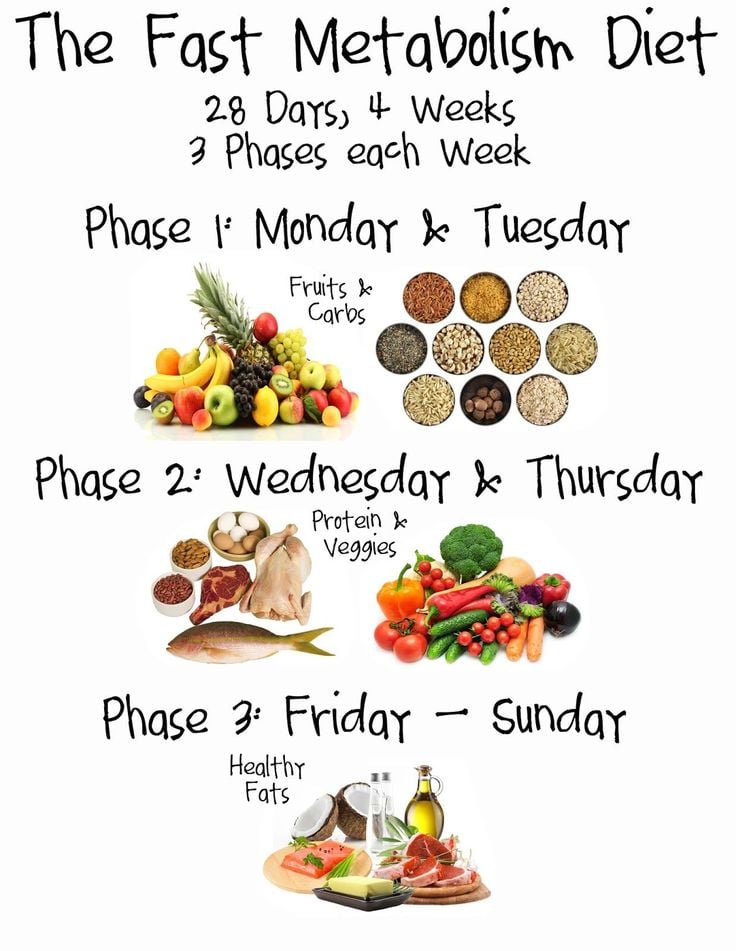
The Fast Metabolism Diet, developed by nutritionist Haylie Pomroy and published in 2013, claims to repair and accelerate metabolism through a rotating 28-day food and timing protocol divided into three weekly phases: Phase 1 (Monday and Tuesday, high-carbohydrate and high-fructose fruits), Phase 2 (Wednesday and Thursday, high-protein and low-carbohydrate), and Phase 3 (Friday through Sunday, high-fat with moderate protein and carbohydrate). The protocol prohibits wheat, corn, dairy, soy, dried fruit, fruit juice, alcohol, caffeine, and artificial sweeteners throughout. The claim is that this cycling approach activates different metabolic pathways in rotation, preventing the metabolic adaptation that leads to fat loss plateaus, and that eating every 3 to 4 hours keeps metabolism elevated. For athletes evaluating this approach, the central question is whether the metabolic mechanisms Pomroy describes are supported by exercise and nutrition science, and whether the dietary cycling genuinely accelerates metabolism beyond what a standard caloric deficit produces.
The Thermic Effect of Food and Meal Frequency Myths
One of the Fast Metabolism Diet’s core claims is that eating every 3 to 4 hours keeps metabolism elevated through the thermic effect of food (TEF). TEF is the energy expended digesting and metabolising food, which is real and amounts to approximately 10 percent of total daily caloric intake averaged across macronutrients (protein has the highest TEF at 20 to 30 percent, carbohydrates at 6 to 8 percent, fat at 2 to 3 percent). However, the claim that meal frequency significantly affects total daily TEF is not supported by the research. A comprehensive review published in the British Journal of Nutrition examined 14 studies on meal frequency and metabolic rate and found no evidence that eating more frequently increases total daily energy expenditure compared to eating fewer, larger meals when total caloric and macronutrient intake is equated. TEF is determined by the total amount and composition of food consumed daily, not the number of meals into which it is divided.
Does Metabolic Adaptation Prevent Fat Loss?
Metabolic adaptation (also called adaptive thermogenesis) is a real phenomenon: prolonged caloric restriction reduces resting metabolic rate beyond what is explained by changes in body mass alone, as the body down-regulates energy expenditure to oppose the deficit. Research published in the International Journal of Obesity confirmed that metabolic adaptation occurs during sustained caloric restriction and persists after weight loss, which is a genuine mechanistic basis for fat loss plateaus. The question is whether Pomroy’s dietary cycling effectively addresses this adaptation. Diet breaks and refeeds (periods of eating at maintenance calories during a fat loss phase) do have modest evidence for reducing metabolic adaptation compared to continuous restriction, but the evidence base for their superiority is limited, and the specific food phase rotation in the Fast Metabolism Diet has no published clinical trial evidence supporting it as an adaptation-preventing strategy above a standard caloric approach.
What the Fast Metabolism Diet Gets Right
The Fast Metabolism Diet produces genuine fat loss results for many followers, but the likely mechanism is straightforward: the protocol creates a caloric deficit by eliminating multiple calorie-dense food categories (wheat products, dairy, alcohol, processed foods) and by structuring eating around whole foods in controlled phases. This is a valid approach to fat loss even if the metabolic mechanism Pomroy describes is not supported by research. The Phase 2 high-protein, low-carbohydrate days support muscle preservation during the deficit through adequate protein intake. The emphasis on whole fruits, vegetables, lean proteins, and healthy fats provides good micronutrient density. The 28-day structured protocol provides the clear rules and accountability that many people find helpful for adherence. These practical advantages are real even if the metabolic cycling mechanism is not. The complete evidence-based approach to fat loss and metabolism is in our fat loss guide.
Athlete-Specific Concerns
For athletes, the Fast Metabolism Diet’s Phase 2 days (high protein, low carbohydrate) create the same training performance challenge as other low-carbohydrate approaches: reduced muscle glycogen availability impairs high-intensity training performance. Athletes training intensely on Phase 2 days will likely experience reduced power output and training quality compared to training on Phase 1 or Phase 3 days where carbohydrate or fat availability is higher. The most practical adaptation for athletes is to ensure intense training sessions fall on Phase 1 or Phase 3 days where carbohydrate or caloric intake is more favourable for performance. The broader athletic performance nutrition framework is in our muscle building nutrition guide.
The Real Driver of Fast Metabolism Diet Results
The most parsimonious explanation for the weight loss and energy improvements many followers report is not metabolic phase cycling but the dietary improvements the protocol enforces: elimination of alcohol, refined grains, processed foods, and artificial sweeteners alongside increased whole food consumption. These changes produce similar fat loss and wellbeing improvements on any dietary framework that enforces them, without the need for a three-phase rotation. The 28-day protocol also provides a structured, time-limited commitment that many people find psychologically easier to sustain than open-ended dietary change, which is a genuine adherence advantage independent of the metabolic mechanism being accurate or not.
Genuine Evidence-Based Strategies to Support Metabolism
Athletes who want to genuinely support metabolic rate should focus on the strategies with the strongest evidence base rather than dietary cycling claims. Progressive resistance training that builds muscle mass over months and years is the most effective long-term metabolic rate elevation strategy, as each kilogram of muscle adds approximately 13 to 21 calories per day to resting metabolic rate. Adequate daily protein intake (0.7 to 1 gram per pound of bodyweight) increases total daily TEF because protein has the highest thermic effect of any macronutrient at 20 to 30 percent of protein calories consumed. High-intensity interval training elevates post-exercise oxygen consumption (EPOC) for 12 to 24 hours after sessions, increasing total daily energy expenditure beyond the calories burned during the training itself. Non-exercise activity thermogenesis (NEAT), the energy expended in daily movement outside formal exercise, is one of the largest and most variable components of total daily energy expenditure and can be meaningfully increased by consciously increasing daily walking, standing, and incidental movement. These strategies compound over time in ways that no 28-day dietary cycling protocol approaches. The complete muscle building and metabolic rate approach is in our muscle building guide.
Frequently Asked Questions
Can You Actually Speed Up Your Metabolism?
Within practical limits, yes. Increasing muscle mass is the most effective long-term strategy for increasing resting metabolic rate, as muscle tissue requires more energy to maintain than fat tissue at rest. Each kilogram of muscle adds approximately 13 to 21 calories per day to resting metabolic rate, and building several kilograms of muscle over years of resistance training meaningfully elevates the metabolic floor. High-protein diets increase total daily TEF because protein has the highest thermic effect of any macronutrient. Regular aerobic exercise elevates non-exercise activity thermogenesis (NEAT) in many people. These are genuine metabolic rate elevations supported by research. The claim that specific food phase cycling dramatically accelerates metabolism beyond these established mechanisms is not supported by controlled trial evidence.
How Does the Fast Metabolism Diet Compare to Standard Caloric Deficit Dieting?
No published randomised controlled trial has directly compared the Fast Metabolism Diet to a standard caloric deficit diet of equivalent caloric restriction. The available evidence from general diet comparison research suggests that when total caloric intake and protein are equated between dietary approaches, body composition outcomes are similar regardless of the specific dietary pattern. The Fast Metabolism Diet likely produces fat loss results comparable to any other well-structured whole-food diet that creates a similar caloric deficit, with the cycling framework providing adherence benefits for people who respond well to structured variety rather than unique metabolic advantages.
Understand Your Metabolism. Manage Your Deficit. Build the Body You Want.
Real fat loss is built on real science. So is quality gear.
Shop Lifting Belt Shop Knee SleevesCertified strength and conditioning specialists with over 10 years of combined experience in powerlifting, nutrition coaching, and evidence-based fitness content. Based in New York City, the Genghis Fitness team tests every protocol in the gym before writing about it.