Genghis Fitness · Body Composition and Training
Muscle Mass Percentage: What It Is, How to Measure It, What the Numbers Mean, and Realistic Targets for Athletes
Updated 2026 | By Team Genghis Fitness | 20 min read
Muscle mass percentage, the proportion of your total body weight made up of skeletal muscle tissue, is one of the more useful body composition metrics for athletes and serious lifters, though it is also one of the more frequently misunderstood. Unlike body fat percentage, which is routinely measured and widely discussed, skeletal muscle mass percentage is less often tracked, partly because it requires more sophisticated measurement and partly because most people have a less clear sense of what the numbers actually mean for health and performance.
This guide covers what muscle mass percentage is, how it relates to fat-free mass and lean body mass, the available measurement methods and their accuracy limitations, what average and athletic ranges look like for different populations, and how to practically increase skeletal muscle mass percentage through training and nutrition.
Defining Muscle Mass Percentage
Your body is composed of multiple tissue types: skeletal muscle, adipose tissue (fat), bone, organs, blood, and water. Skeletal muscle mass percentage specifically refers to the mass of your voluntary muscle tissue (the muscles you train in the gym) as a percentage of total body weight. This is distinct from lean body mass, which is total body weight minus fat and includes bone, organs, blood, and water alongside muscle. Lean body mass is always higher than skeletal muscle mass for the same individual.
A typical breakdown for an average adult male at moderate fitness level might be approximately 40 to 44 percent skeletal muscle mass, 15 to 20 percent body fat, and the remaining 36 to 40 percent bone, organ mass, water, and connective tissue. For a female at moderate fitness level, skeletal muscle mass is typically lower at approximately 32 to 38 percent due to hormonal differences in muscle tissue accretion and typically higher body fat percentages.
Measurement Methods
DEXA Scan (Gold Standard)
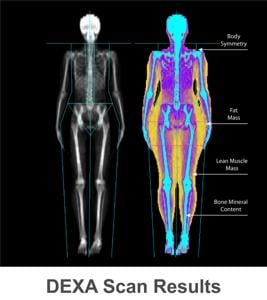
Dual-energy X-ray absorptiometry (DEXA) is the most accurate commercially available method for measuring body composition including skeletal muscle mass. DEXA differentiates between bone mineral density, fat tissue, and lean soft tissue (which closely approximates skeletal muscle mass) through X-ray attenuation at two different energy levels. A study published in the Journal of Applied Physiology validated DEXA as having excellent accuracy for regional body composition measurement compared to direct tissue analysis. DEXA scans are available at hospitals, sports performance centers, and many commercial wellness providers at costs ranging from 50 to 150 dollars per scan in the United States.
Bioelectrical Impedance Analysis (BIA)
BIA devices (including most gym and home smart scales with body composition features) pass a low-level electrical current through the body and estimate body composition based on the resistance to that current. Muscle tissue, which contains more water and electrolytes than fat, conducts electricity more readily. BIA provides a rough estimate of skeletal muscle mass that can be useful for tracking trends over time but is significantly less accurate than DEXA for absolute values. Hydration status, meal timing, and recent exercise all affect BIA readings substantially, making day-to-day comparisons unreliable. Use BIA measurements to track multi-week trends rather than precise point-in-time values.
Hydrostatic Weighing and Air Displacement Plethysmography
Hydrostatic (underwater) weighing and air displacement plethysmography (Bod Pod) provide accurate fat mass and fat-free mass measurements but do not directly differentiate skeletal muscle from other lean tissue components. These methods provide two-compartment body composition data (fat and non-fat) rather than the multi-compartment analysis that DEXA offers.
Reference Ranges by Population
| Category | Male Range | Female Range |
|---|---|---|
| Below average (low muscle) | Under 38% | Under 30% |
| Average (general population) | 38 to 44% | 30 to 36% |
| Above average (recreational athlete) | 44 to 50% | 36 to 42% |
| Athletic (trained strength athlete) | 50 to 60% | 42 to 52% |
| Elite competitive bodybuilder (competition) | 60%+ | 52%+ |
These ranges are approximate and sourced from DEXA reference data populations. BIA-derived values often read higher than DEXA values for the same individual due to methodological differences, so compare within the same measurement method rather than across methods.
Why Muscle Mass Percentage Matters Beyond Aesthetics
Higher skeletal muscle mass percentage is associated with improved metabolic health outcomes independent of body fat percentage. Muscle tissue is the primary site of insulin-mediated glucose disposal. Higher muscle mass improves insulin sensitivity and reduces type 2 diabetes risk. Research published in the Journal of Clinical Endocrinology and Metabolism found that each 10 percent increase in skeletal muscle mass index was associated with an 11 percent reduction in insulin resistance risk, confirming the metabolic protection that muscle mass provides independent of fat mass.
Muscle mass also correlates with longevity. Higher muscle mass in midlife is associated with lower all-cause mortality, improved functional capacity in older age, and better outcomes following illness or injury. The protective effect of muscle mass is sometimes called the “muscle mass reserve” for aging: people with higher muscle mass have more capacity to lose muscle with age (which is inevitable) before reaching the functional threshold where mobility and independence are compromised.
How to Increase Skeletal Muscle Mass Percentage
Increasing skeletal muscle mass percentage requires either increasing absolute muscle mass, decreasing body fat, or both simultaneously (body recomposition). The training and nutrition principles that drive muscle hypertrophy are well-established: progressive resistance training that challenges the muscle progressively over time, adequate protein intake (0.7 to 1g per pound of bodyweight), and sufficient caloric intake to support muscle protein synthesis without excessive fat gain.
Compound barbell movements (squat, deadlift, bench press, overhead press, barbell row) are the most efficient tools for building systemic skeletal muscle mass because they involve the most total muscle tissue per movement and allow the highest progressive loading over a training career. The training structure that supports this is covered in our workout split guide. Protecting joint integrity during the heavy training that builds significant muscle mass is supported by appropriate gear: lifting belts for compound lower body work and knee sleeves for high-volume squat training.
Frequently Asked Questions
What Is a Good Muscle Mass Percentage for a Man?
For adult men engaged in regular resistance training, a skeletal muscle mass percentage above 44 percent (measured by DEXA) represents above-average muscle development. Recreational strength athletes typically fall in the 44 to 50 percent range, and competitive natural bodybuilders at moderate body fat levels often measure 52 to 58 percent. These numbers decrease as body fat increases (since fat adds to total body weight without adding muscle), which is why muscle mass percentage is best interpreted alongside body fat percentage rather than in isolation.
Can You Increase Muscle Mass Percentage After 40?
Yes. While the rate of muscle protein synthesis response to training does decline modestly with age, significant muscle hypertrophy in response to resistance training remains possible throughout middle age and into the seventh and eighth decades of life. Research consistently shows that older adults respond to resistance training with measurable skeletal muscle mass increases, with the key requirements being adequate protein intake (higher at 0.8 to 1.2g per pound of bodyweight for older adults to compensate for reduced anabolic sensitivity), sufficient training volume, and consistency over months rather than weeks.
Build More Muscle. Train Harder. Last Longer.
Skeletal muscle is your most valuable long-term asset. Protect every training session with the right gear.
Shop Lifting Belts Shop Knee SleevesCertified strength and conditioning specialists with over 10 years of combined experience in powerlifting, nutrition coaching, and evidence-based fitness content. Based in New York City, the Genghis Fitness team tests every protocol in the gym before writing about it.