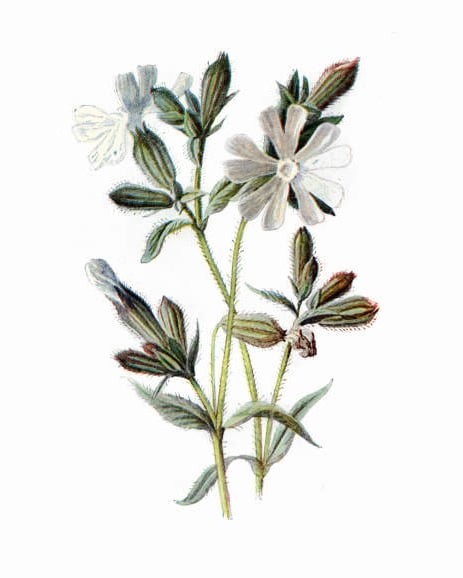
Silene capensis , or African Dream Root, is a herb revered by the Xhosa people of South Africa for its ability to induce vivid and lucid dreams, potentially offering spiritual insights. This guide provides information for those in the United States interested in this fascinating plant. Botanical Overview Silene capensis belongs to the Caryophyllaceae family and is native to the Eastern Cape of South Africa. It’s a biennial or short-lived perennial with narrow green leaves and fragrant white, star-shaped flowers that open at night. The plant produces small grey seeds and has a thick, white, tuberous root, which is the part traditionally used. It can tolerate high temperatures and moderate cold, preferring full sun and well-drained soil. Propagation is usually through seeds. Other names include gunpowder plant, wild tobacco, and various names in Afrikaans (kleinwildetabak, wildetabak, wildetwak) and Xhosa (ubulawu obumhlope, unozitholana, iinkomo yentaba, icham, and undlela zimhlophe). Cultural Significance to the Xhosa People The African Dream Root is a sacred herb for the Xhosa people, playing a vital role in their spiritual and cultural practices. Known as undlela zimhlophe , meaning “white ways” or “white paths,” it’s used by shamans ( amagqirha ) and traditional healers to induce prophetic dreams and connect with ancestral spirits for guidance and healing. It is a key component of ubulawu , a group of dream-enhancing herbs believed to facilitate communication with ancestors. Here is a table summarizing the health benefits of African Dream Root ( Silene undulata or Silene capensis ): Health Benefit Description Vivid Dreams Induces vivid or lucid dreams, enhancing dream recall and potentially facilitating spiritual insights. Improved Sleep Promotes deeper sleep and relaxation, improving overall sleep quality. Antioxidant Properties Contains compounds with antioxidant effects, which may protect against oxidative stress. Inflammation Reduction May reduce inflammation due to the presence of triterpenoid saponins. Cholesterol and Blood Sugar Regulation Saponins may help lower cholesterol levels and blood sugar levels. Nutritional Value Rich in vitamins A, C, and B-complex and minerals like calcium, magnesium, and potassium. Stress Reduction Enhances relaxation and reduces stress by influencing neurotransmitters. Mental Clarity and Focus May improve cognitive function and concentration. Emotional Processing Rich in vitamins A, C, and B-complex, and minerals like calcium, magnesium, and potassium. Effects on Sleep and Dreaming Silene capensis is known for inducing vivid and sometimes lucid dreams. Users report more colorful, detailed, and memorable dreams, with some experiencing lucidity. It reportedly has minimal impact on waking consciousness. These effects are primarily based on anecdotal evidence and traditional use. Scientific Insights and Potential Benefits The dream-inducing properties are thought to be due to triterpenoid saponins in the root. The root also contains alkaloids and diterpenoids. Research on the Silene genus indicates the presence of other compounds like phytoecdysteroids, antioxidants, and more. Saponins, in general, may offer antioxidant, anti-inflammatory, cholesterol-lowering, and blood sugar regulating properties, as well as antimicrobial and immune-boosting effects. However, research specifically on Silene capensis is limited. Preparation and Use Traditionally, the Xhosa pulverize the root and mix it with water to create a white froth, which is then swallowed. Another method involves grinding the dried root into a powder for infusions or decoctions. Modern users may whisk powdered root with water to create foam or consume it in capsules. Dosage recommendations for powdered root range from 200 mg to 3 grams daily, starting with a lower dose. Effects may take a few days of consistent use. Other Traditional Uses Beyond dream enhancement, the Xhosa and Zulu people have used Silene capensis roots to treat fevers and delirium. This suggests broader pharmacological properties. Table: Alternative Names for Silene Capensis Language Common Name(s) English African Dream Root, Gunpowder plant, Wild Tobacco, Campion Afrikaans Kleinwildetabak, Wildetabak, Wildetwak IsiXhosa ubulawu obumhlope, unozitholana, iinkomo yentaba, icham, undlela zimhlophe Sesotho Lithotoana, Molokoloko Safety Precautions and Potential Side Effects Limited research exists on the safety of Silene capensis . Some users may experience gastrointestinal discomfort like nausea and vomiting, especially at higher doses, likely due to saponins. Disturbing dreams have also been reported with larger amounts. Pregnant and breastfeeding women, as well as children and adolescents, should avoid it. Individuals with pre-existing medical conditions should consult a healthcare professional. While considered gentler than some other dream herbs, caution is advised. Here is a table summarizing the properties of African Dream Root ( Silene undulata or Silene capensis ): Property Description Scientific Name Silene undulata or Silene capensis Native Region Eastern Cape, South Africa Traditional Use Treats fevers, delirium; induces vivid dreams for ancestral communication Edible Parts The root is edible and used in cooking Harvest Time Late summer to early fall Nutritional Value Rich in vitamins A, C, B-complex; minerals like calcium, magnesium, potassium Compounds Triterpene saponins, alkaloids, diterpenoids Effects Enhances sleep quality, induces vivid or lucid dreams Preparation Forms Root, powder, capsules Cultivation Prefers well-draining soil; grows up to 60 cm tall Flowers White or pinkish, glandular and sticky Legal Status in the United States Silene capensis is not a federally controlled substance in the US and is not regulated by the FDA. No widespread state-level restrictions were found, but laws can vary. It is available online and in some health food stores. Purchase from reputable suppliers is recommended to ensure quality and ethical sourcing. Conclusion Silene capensis is a culturally significant herb known for its dream-enhancing properties. While anecdotal evidence is strong, more scientific research is needed. Users should exercise caution, start with low doses, and be aware of potential side effects. Certain populations should avoid it. Responsible and informed use is key to exploring the potential of this intriguing plant.
Sleep Foundation Before Supplementation
For athletes curious about oneirogen practices in the context of sleep optimization, the most conservative and evidence-supported approach is to first establish the behavioral foundations that produce deep, vivid dreaming naturally. Consistent sleep and wake times stabilize the REM sleep architecture that generates memorable dreams. A cool, dark sleep environment reduces sleep disruptions that fragment REM cycles. Reducing alcohol consumption, which dramatically suppresses REM sleep, is the single most impactful intervention for athletes who drink regularly and want to improve dream quality and sleep depth simultaneously.
These behavioral interventions produce measurable REM sleep improvements within one to two weeks without any supplementation or the regulatory uncertainty that comes with less well-studied plant compounds. The broader lesson from the interest in African dream root and similar substances is that many athletes have recognized that sleep quality, not just sleep duration, is a performance variable worth actively managing. The tools with the strongest evidence base are the behavioral ones: sleep consistency, darkness, temperature, and alcohol reduction. These should be fully implemented and maintained for several months before any herbal or supplemental sleep enhancement is considered. Supporting your daytime training with quality gear including knee sleeves protects the joint health that quality sleep accelerates recovery for, making both practices part of the same long-term athletic investment.
Research into plant-based sleep enhancers is an active and growing field, and future studies may provide clearer guidance on the safety profile and optimal use of less-studied compounds like those in Silene capensis. Until that research matures, athletes are best served by mastering the fundamentals of sleep hygiene that have decades of evidence behind them before exploring the frontier of oneirogenic plant medicine. Quality sleep remains one of the highest-leverage performance variables available, requiring zero budget and producing benefits across every measurable dimension of athletic capacity.
Certified strength and conditioning specialists with over 10 years of combined experience in powerlifting, nutrition coaching, and evidence-based fitness content. Based in New York City, the Genghis Fitness team tests every protocol in the gym before writing about it.