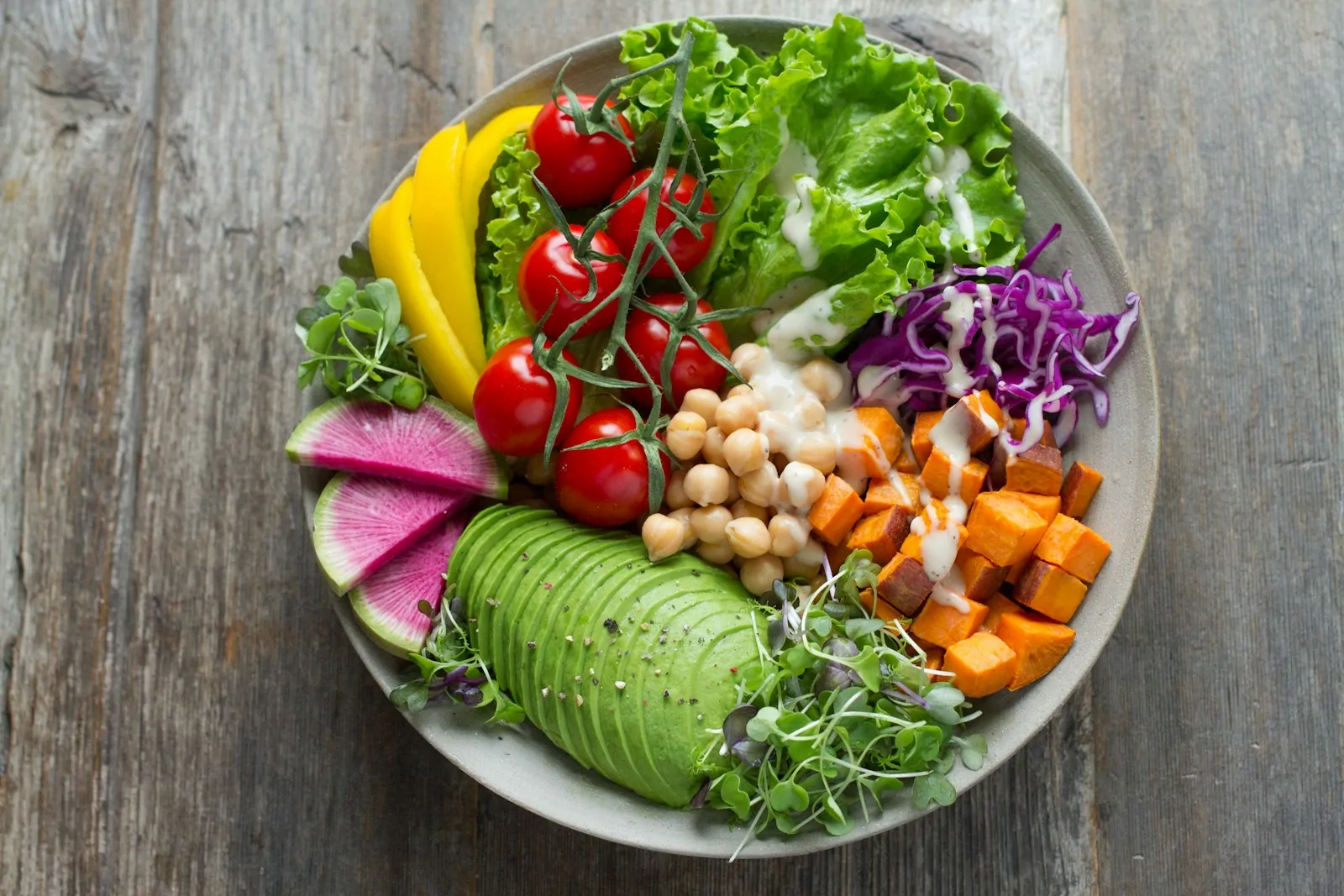
Are you struggling with autoimmune symptoms and looking for a way to take control of your health? The AIP diet plan might be the solution you’ve been searching for. This innovative approach to eating is designed specifically for those with autoimmune conditions, offering a path to manage symptoms and improve overall well-being. We’ll explore how the Autoimmune Protocol (AIP) works as an elimination diet, helping you identify trigger foods and reduce inflammation. By removing common irritants and incorporating nutrient-dense, health-promoting foods, the AIP diet plan aims to heal your gut and alleviate autoimmune symptoms. Research has shown promising results, with one study reporting a 29% decrease in inflammation for Hashimoto’s thyroiditis patients after just 10 weeks on the AIP diet. WHAT IS THE AIP DIET? The Autoimmune Protocol (AIP) diet is a structured eating plan designed to help individuals with autoimmune conditions manage their symptoms and reduce inflammation. As an elimination diet, the AIP protocol aims to identify trigger foods and promote gut healing by removing potential irritants and incorporating nutrient-dense foods. The AIP diet consists of two main phases: Elimination Phase: During this initial phase, which typically lasts 4-6 weeks or longer, participants eliminate foods commonly associated with inflammation and autoimmune symptoms. Foods to avoid include: Nightshades (tomatoes, peppers, eggplant, potatoes) Refined sugars and oils 2. Reintroduction Phase: After the elimination phase, foods are gradually reintroduced while closely monitoring symptoms. This process helps identify exact trigger foods and allows for the creation of a personalized long-term eating plan. AIP-approved foods include: Non-starchy vegetables Fruit (especially berries) Healthy fats (e.g., avocado oil, coconut oil, olive oil) Certain herbs and spices The AIP diet is based on Paleo guidelines but is more restrictive. It focuses on consuming nutrient-dense, anti-inflammatory foods while eliminating potential allergens and antinutrients that may impact immunity. Research has shown promising results, with one study reporting a 29% decrease in inflammation among Hashimoto’s thyroiditis patients after 10 weeks on the AIP diet. While the AIP diet can be challenging, it’s an effective tool for managing autoimmune conditions when implemented correctly. It’s essential to work with a healthcare professional or nutritionist experienced in AIP to ensure safe and effective implementation of this dietary approach. UNDERSTANDING AUTOIMMUNE DISEASES Autoimmune diseases occur when the body’s immune system mistakenly attacks healthy cells. These conditions can affect various parts of the body, leading to a range of symptoms and health complications. Understanding the common symptoms and risk factors associated with autoimmune diseases is crucial for early detection and management. COMMON SYMPTOMS Autoimmune diseases often present with a diverse array of symptoms, which can vary depending on the exact condition and affected body parts. Common symptoms include: Joint pain and swelling Difficulty concentrating Many autoimmune diseases share these symptoms, making diagnosis challenging. Symptoms may fluctuate in severity, with periods of remission and flare-ups. Early recognition of these signs can lead to prompt medical evaluation and appropriate treatment, potentially improving long-term outcomes for those affected by autoimmune conditions. RISK FACTORS Several factors can increase the likelihood of developing autoimmune diseases: Genetics: Family history of autoimmune conditions Gender: Women are more susceptible to many autoimmune diseases Age: Some conditions are more common in certain age groups Environmental triggers: Exposure to toxins, infections, or stress Hormonal changes: Pregnancy or menopause can influence autoimmune activity Ethnicity: Certain ethnic groups have higher risks for exact conditions Lifestyle factors: Smoking, poor diet, and lack of exercise Understanding these risk factors can help individuals make informed decisions about their health. While some factors, like genetics, can’t be changed, others can be modified through lifestyle choices. Adopting a healthy diet, such as the AIP diet plan, may help manage symptoms and reduce inflammation associated with autoimmune diseases. HOW THE AIP DIET WORKS The Autoimmune Protocol (AIP) diet is a structured approach designed to manage autoimmune symptoms by identifying and eliminating inflammatory foods. It consists of three distinct phases: elimination, reintroduction, and maintenance. ELIMINATION PHASE The elimination phase is the cornerstone of the AIP diet plan. During this 4-6 week period, we remove potentially inflammatory foods from our diet. These include: Nightshade vegetables (tomatoes, peppers, eggplant, potatoes) Processed foods and refined sugars By eliminating these foods, we allow our body to reset and reduce inflammation. We focus on consuming nutrient-dense, AIP-approved foods such as: Leafy and non-starchy vegetables Fruits (especially berries) This phase helps identify trigger foods and forms the foundation for the AIP eating plan. REINTRODUCTION PHASE The reintroduction phase is a methodical process of reincorporating eliminated foods. We follow these steps: Choose one food to reintroduce Eat a small amount and wait 15 minutes for immediate reactions If no reaction occurs, eat a normal-sized portion Avoid the food for 5-7 days and monitor symptoms If no symptoms appear, consider the food safe to eat If symptoms occur, remove the food and wait for symptoms to subside before trying the next food We reintroduce foods one at a time, typically in this order: Nightshade vegetables This phase helps create a personalized AIP diet guide customized to our individual needs. MAINTENANCE PHASE The maintenance phase is the long-term implementation of our personalized AIP diet. We: Continue eating AIP-friendly foods that support our health Incorporate reintroduced foods that don’t trigger symptoms Maintain a balance of nutrient-dense, anti-inflammatory foods Stay vigilant about potential trigger foods Adjust our diet as needed based on ongoing symptom management During this phase, we may work with a healthcare professional to ensure we’re meeting nutritional needs while managing autoimmune symptoms. The maintenance phase allows for flexibility while still adhering to AIP principles, creating a sustainable approach to reducing inflammation and supporting overall health. AIP DIET FOOD LIST The AIP diet food list provides a comprehensive guide to foods that are allowed and restricted during the elimination phase. This list helps individuals following the Autoimmune Protocol (AIP) diet to make informed choices about their meals. FOODS TO EAT On the AIP diet, we focus on nutrient-dense, anti-inflammatory foods. Here’s a list of AIP-approved foods: Vegetables: Most non-nightshade vegetables, including leafy greens, cruciferous vegetables, and tubers like sweet potatoes and yams Fruits: All fresh fruits, especially berries, in moderation Proteins: Grass-fed meats, wild-caught fish, and organ meats Healthy fats: Coconut oil, olive oil, and avocado oil Herbs and spices: Fresh herbs, turmeric, and other non-seed spices Fermented foods: Kombucha, sauerkraut, and kimchi (without nightshades) Bone broth: Rich in nutrients and supports gut health Natural sweeteners: Honey and maple syrup in small amounts These AIP-friendly foods provide essential nutrients while minimizing potential triggers for inflammation. FOODS TO AVOID The AIP elimination diet requires avoiding several food groups that may trigger inflammation or autoimmune responses. Here’s a list of foods to eliminate: Grains: All grains, including wheat, rice, and corn Legumes: Beans, lentils, peanuts, and soy products Nightshade vegetables: Tomatoes, potatoes, peppers, and eggplants Dairy: All dairy products, including milk, cheese, and yogurt Eggs: Both egg whites and yolks Nuts and seeds: All nuts, seeds, and their oils Processed foods: Any packaged or processed foods Refined sugars and artificial sweeteners Vegetable oils: Canola, soybean, and other refined oils Food additives and preservatives By eliminating these potential trigger foods, we can help reduce inflammation and identify exact sensitivities during the AIP reintroduction phase. BENEFITS OF THE AIP DIET The Autoimmune Protocol (AIP) diet offers many benefits for those with autoimmune conditions. This specialized diet plan focuses on reducing inflammation and healing the gut, two crucial aspects of managing autoimmune diseases. REDUCING INFLAMMATION The AIP diet effectively reduces inflammation, a key factor in autoimmune conditions. By eliminating potential trigger foods and focusing on nutrient-dense options, the AIP diet plan helps alleviate symptoms like fatigue, chronic pain, and brain fog. Research shows that following the AIP diet can significantly decrease intestinal inflammation, leading to improved quality of life for many patients. Studies have demonstrated the diet’s effectiveness in reducing inflammatory markers. For example, a study on Hashimoto’s thyroiditis patients found a 29% decrease in inflammation after 10 weeks on the AIP diet. This reduction in inflammation can lead to fewer flare-ups and better overall management of autoimmune conditions. HEALING LEAKY GUT The AIP diet plays a crucial role in healing leaky gut syndrome, a condition often associated with autoimmune diseases. By eliminating foods that may irritate the gut lining and incorporating gut-healing foods, the AIP eating plan promotes intestinal repair and improved nutrient absorption. Key components of the AIP diet, such as bone broth and fermented foods, provide essential nutrients that support gut health. Bone broth contains collagen and amino acids that help repair the intestinal lining, while fermented foods introduce beneficial probiotics to the gut microbiome. These AIP-approved foods work together to restore gut integrity, potentially reducing the severity of autoimmune symptoms and improving overall health. CREATING AN AIP MEAL PLAN Creating an AIP meal plan requires careful consideration of allowed foods and nutrient balance. We’ll provide a sample 7-day plan and offer tips for efficient meal preparation to help you succeed on the AIP diet. SAMPLE 7-DAY PLAN Day 1: Breakfast: Sweet potato hash with ground turkey and spinach Lunch: Grilled chicken salad with mixed greens and avocado Dinner: Baked salmon with roasted broccoli and carrots Day 2: Breakfast: Beef and vegetable soup Lunch: Tuna salad lettuce wraps with cucumber and olives Dinner: Slow-cooker pork roast with sautéed kale and squash Day 3: Breakfast: Coconut yogurt with berries and honey Lunch: Leftover pork with roasted root vegetables Dinner: Grilled shrimp skewers with zucchini noodles Day 4: Breakfast: Banana pancakes made with coconut flour Lunch: Chicken and vegetable stir-fry Dinner: Beef stew with carrots, celery, and herbs Day 5: Breakfast: Bone broth with sautéed greens and leftover chicken Lunch: Salmon cakes with mixed green salad Dinner: Turkey meatballs with spaghetti squash and garlic sauce Day 6: Breakfast: Apple cinnamon N’oatmeal (made with coconut) Lunch: Leftover turkey meatballs with roasted vegetables Dinner: Grilled lamb chops with asparagus and sweet potato mash Day 7: Breakfast: Breakfast sausage patties with sautéed spinach Lunch: Chicken and avocado salad with mixed greens Dinner: Seafood soup with coconut milk and vegetables Batch cook: Prepare large quantities of AIP-compliant proteins and vegetables to use throughout the week. Use a slow cooker: Make bone broth, soups, and stews in bulk for easy, nutrient-dense meals. Prep vegetables in advance: Wash, chop, and store vegetables for quick access during meal times. Invest in quality storage containers: Use glass containers to keep prepped ingredients fresh and organized. Plan your meals: Create a weekly meal plan to ensure variety and proper nutrient balance. Make AIP-friendly sauces and dressings: Prepare compliant condiments to add flavor to your meals. Freeze extras: Portion and freeze leftover meals for future use on busy days. Keep AIP snacks on hand: Stock up on compliant snacks like plantain chips, fruit, and vegetable sticks. Experiment with herbs and spices: Use AIP-approved seasonings to add variety to your dishes. Stay hydrated: Prep infused water with AIP-friendly fruits for a refreshing drink option. CHALLENGES AND CONSIDERATIONS The AIP diet plan, while beneficial for many with autoimmune conditions, comes with its own set of challenges and considerations. We’ll explore two key aspects that require careful attention when following this dietary approach. POTENTIAL NUTRITIONAL DEFICIENCIES The AIP elimination diet’s restrictive nature can lead to potential nutritional deficiencies if not carefully managed. Here are some key concerns: Low fiber intake: Eliminating whole grains, legumes, nuts, and seeds reduces fiber sources, potentially causing digestive issues. Calcium deficiency: Dairy elimination may lead to inadequate calcium intake, affecting bone health. Iron deficiency: Limited sources of heme iron from red meat can impact iron levels, especially for those avoiding legumes. Vitamin B deficiencies: Removing grains and legumes can reduce B vitamin intake, particularly B12 for those limiting animal products. Omega-3 fatty acid imbalance: Restricting certain fish and nuts may lead to insufficient omega-3 intake. To mitigate these risks, we recommend: Focusing on nutrient-dense AIP-approved foods Incorporating a variety of colorful vegetables and fruits Considering AIP-compliant supplements under healthcare provider guidance Regularly monitoring nutrient levels through blood tests DINING OUT ON AIP Adhering to the AIP diet plan while dining out presents unique challenges. Here are some strategies to navigate restaurant meals: Research AIP-friendly restaurants: Look for establishments offering customizable dishes or paleo-friendly options. Communicate clearly: Inform servers about dietary restrictions and ask about ingredients and preparation methods. Stick to simple dishes: Choose grilled meats, steamed vegetables, and salads without dressings. Bring AIP-compliant sauces or dressings: This ensures you can add flavor without compromising your diet. Plan ahead: Review menus online and call restaurants in advance to discuss options. Consider AIP-friendly meal delivery services: These can provide convenient alternatives when dining out isn’t feasible. By employing these strategies, we can maintain our AIP eating plan while socializing and enjoying meals outside the home. AIP VS. OTHER DIETS The Autoimmune Protocol (AIP) diet shares similarities with other dietary approaches but has distinct features customized for autoimmune conditions. Let’s explore how AIP compares to other popular diets, focusing on their unique characteristics and goals. COMPARING AIP AND PALEO The AIP diet and Paleo diet share common ground but differ in crucial aspects. Both diets emphasize whole, nutrient-dense foods and eliminate processed items, grains, and legumes. But, the AIP diet is more restrictive, excluding additional foods that may trigger inflammation in autoimmune conditions. Key differences: AIP eliminates eggs, nightshades, nuts, and seeds, which are allowed on Paleo AIP places a stronger emphasis on nutrient density and gut-healing foods Paleo allows coffee and alcohol in moderation, while AIP eliminates them AIP includes a structured reintroduction phase, which is not part of the standard Paleo approach While both diets can reduce inflammation, the AIP diet is specifically designed for those with autoimmune diseases, offering a more targeted approach to identifying and eliminating potential trigger foods. SCIENTIFIC EVIDENCE FOR AIP The Autoimmune Protocol (AIP) diet has gained attention for its potential benefits in managing autoimmune conditions. Research on the AIP diet’s effectiveness is growing, with studies focusing on various autoimmune disorders. RESEARCH ON EXACT AUTOIMMUNE CONDITIONS Studies have shown promising results for the AIP diet in managing exact autoimmune conditions. A 2017 study published in the journal Inflammatory Bowel Diseases found that the AIP diet led to important improvements in symptoms and quality of life for patients with inflammatory bowel disease (IBD). After 11 weeks on the AIP diet, 73% of participants achieved clinical remission. Another study, published in Cureus in 2019, examined the effects of the AIP diet on Hashimoto’s thyroiditis. After 10 weeks, participants experienced a 29% reduction in inflammation markers and reported improvements in quality of life and symptom burden. Research on rheumatoid arthritis has also shown potential benefits. A small pilot study published in the Journal of Alternative and Complementary Medicine in 2015 found that participants following an AIP-based diet for 12 weeks experienced important reductions in pain and inflammation markers. While these studies are encouraging, more extensive research is needed to fully understand the AIP diet’s long-term effects and efficacy across various autoimmune conditions. TIPS FOR SUCCESS ON THE AIP DIET The Autoimmune Protocol (AIP) diet requires commitment and planning. Here are key strategies to help you succeed on your AIP journey: COMMIT FULLY TO THE 3 PHASES The AIP diet consists of three crucial phases: elimination, reintroduction, and maintenance. Fully committing to each phase is essential for identifying trigger foods and developing a sustainable AIP diet plan. During this phase, remove potentially problematic foods such as: Nightshades (tomatoes, peppers, eggplant, potatoes) The elimination phase typically lasts 4-6 weeks but may extend to several months. After the elimination phase, systematically reintroduce foods one at a time. This process helps pinpoint exact food sensitivities and allows you to create a personalized AIP eating plan. PLAN YOUR MEALS Meal planning is crucial for AIP diet success. Create a weekly AIP meal plan that includes a variety of AIP-approved foods: Non-starchy vegetables Berries and other low-sugar fruits Healthy fats (coconut oil, olive oil, avocado) STOCK YOUR KITCHEN WITH AIP-FRIENDLY FOODS Keep your pantry and refrigerator stocked with AIP-compliant ingredients. This preparation ensures you always have AIP-safe options available, reducing the temptation to stray from the diet. LEARN TO READ LABELS Become proficient at reading food labels to identify hidden ingredients that aren’t AIP-friendly. Many processed foods contain additives, preservatives, or hidden sources of eliminated foods. CONCLUSION The AIP diet offers a promising approach for managing autoimmune conditions. By focusing on nutrient-dense foods and eliminating potential triggers we can reduce inflammation and promote healing. While it requires commitment and careful planning the benefits can be important. Research shows encouraging results for various autoimmune diseases. With proper implementation and guidance the AIP diet can be a powerful tool for improving quality of life. We encourage those considering this approach to consult with healthcare professionals and stay informed about the latest research in this evolving field.
Certified strength and conditioning specialists with over 10 years of combined experience in powerlifting, nutrition coaching, and evidence-based fitness content. Based in New York City, the Genghis Fitness team tests every protocol in the gym before writing about it.
For more structured approaches to diet and body composition, explore intermittent fasting diet plan and the Galveston diet — both provide practical frameworks for making dietary changes stick over the long term.
SUPPORT YOUR TRAINING THROUGH YOUR DIET CHANGE
Diet changes work best when combined with consistent strength training. A lifting belt protects your lower back through every heavy compound session regardless of where you are in a cut or recomposition.
Shop Nylon Lifting Belt