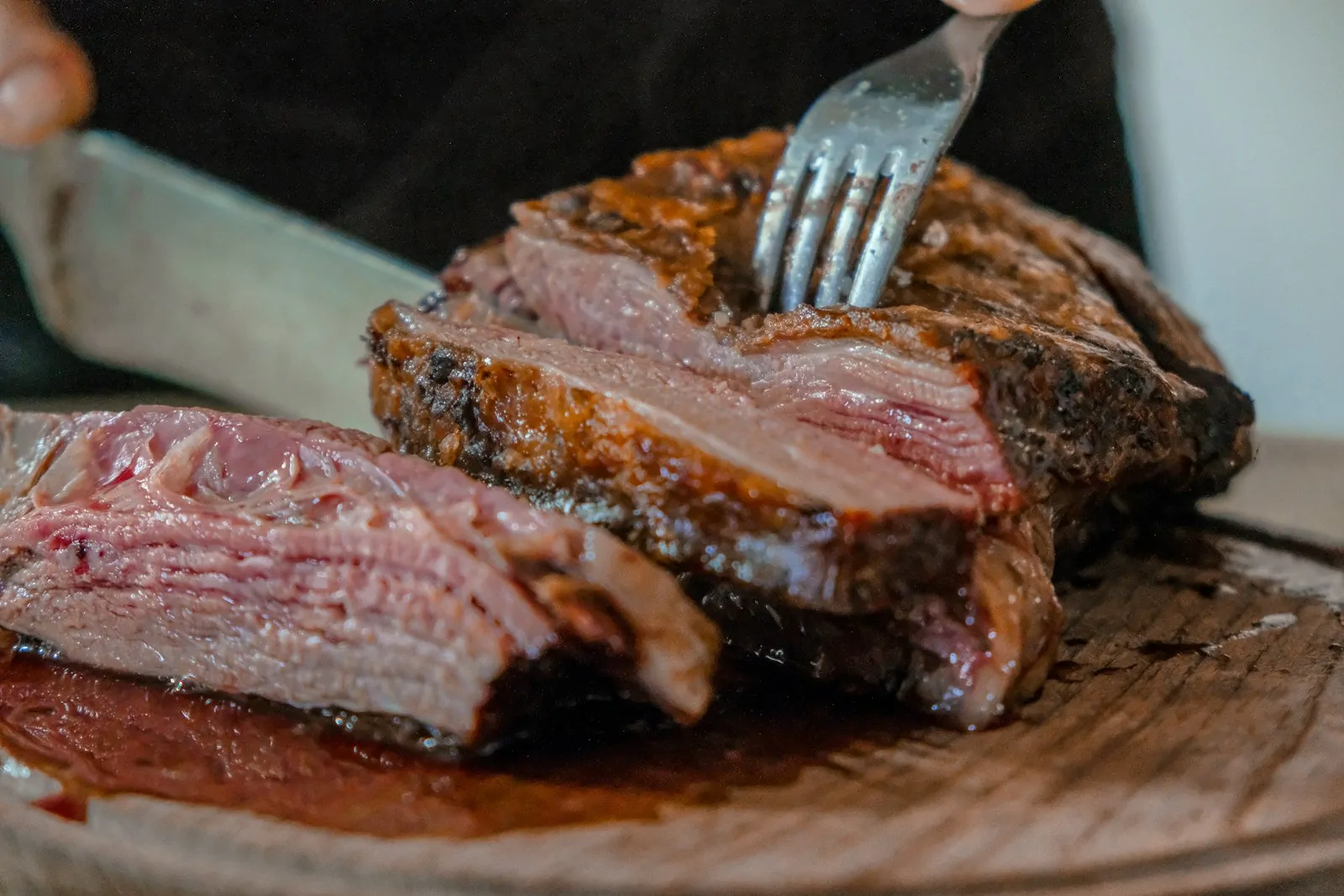
Have you heard about the carnivore diet? It’s a controversial eating plan that’s been making waves in the health and fitness industry. But what are the side effects of this meat-only approach to nutrition?
We’ll explore the short and long-term carnivore diet side effects, from digestive issues to potential nutrient deficiencies. While some people report increased energy and weight loss, others experience headaches and irritability.
WHAT IS THE CARNIVORE DIET?
The carnivore diet is a highly restrictive eating plan that consists solely of animal products. It’s an extreme version of low-carb diets, eliminating all plant-based foods. Here’s what you need to know about this controversial dietary approach:
FOODS ALLOWED
The carnivore diet includes:
Meat (beef, chicken, pork, lamb)
Organ meats (liver, kidney, heart)
Animal fats (lard, tallow, bone marrow)
Some dairy products (butter, heavy cream, hard cheese)
FOODS EXCLUDED
The diet strictly excludes:
MACRONUTRIENT COMPOSITION
The carnivore diet is characterized by:
High fat intake from animal sources
Moderate protein consumption
Virtually zero carbohydrates
This macronutrient profile often leads to ketosis, a metabolic state where the body uses ketones for energy instead of glucose.
VARIATIONS
While some followers adhere to a strict meat-only approach, others adopt less restrictive versions:
Strict carnivore: Only meat, fish, and water
Carnivore with dairy: Includes some low-lactose dairy products
Carnivore with eggs: Allows eggs plus to meat and fish
Carnivore with some plant foods: Permits small amounts of low-carb vegetables
The carnivore diet doesn’t typically provide guidance on calorie intake, serving sizes, or meal frequency. Most proponents suggest eating to satiety and following natural hunger cues.
SHORT-TERM SIDE EFFECTS OF THE CARNIVORE DIET
The carnivore diet, while potentially beneficial for some, can lead to several short-term side effects as the body adjusts to this radical dietary change. These effects typically occur during the initial transition period and may vary in intensity from person to person.
DIGESTIVE ISSUES AND NAUSEA
Digestive discomfort is a common short-term side effect of the carnivore diet. Many individuals experience constipation due to the lack of fiber, which is only found in plant foods. This reduction in fiber intake can lead to less frequent bowel movements, sometimes mistaken for constipation even when the body is simply producing less waste.
Conversely, some people may experience diarrhea or other gastrointestinal symptoms during the adaptation phase. These issues often result from the body adjusting to a high-fat, zero-carb diet. It’s important to note that while these symptoms can be uncomfortable, they typically subside as the body adapts to the new dietary regimen. Some carnivore diet followers even report improvements in their bowel movements after the initial adjustment period.
CRAVINGS AND IRRITABILITY
Transitioning to the carnivore diet can trigger intense cravings for carbohydrates and other excluded foods. This is particularly challenging in the short term as the body adjusts to using fat for fuel instead of carbohydrates. The sudden elimination of sugars and starches can lead to mood swings and irritability, similar to withdrawal symptoms.
These cravings are often accompanied by feelings of fatigue or low energy, which can further contribute to irritability. It’s crucial to recognize that these symptoms are typically temporary and tend to diminish as the body becomes fat-adapted. To manage these cravings, it’s recommended to ensure adequate fat intake and to stay well-hydrated. Some individuals find that consuming organ meats or fatty cuts of meat can help satisfy cravings and stabilize mood during this transition period.
HEADACHES AND LACK OF FOCUS
During the initial stages of the carnivore diet, many people experience headaches and a lack of mental clarity, often referred to as “brain fog.” These symptoms are primarily due to the body’s transition from using glucose as its primary energy source to relying on ketones produced from fat metabolism. This metabolic shift can cause temporary electrolyte imbalances, leading to headaches and difficulty concentrating.
Dehydration, a common issue during this transition, can exacerbate these symptoms. To mitigate these effects, it’s essential to increase water intake and ensure adequate consumption of electrolytes, particularly sodium, potassium, and magnesium. As the body becomes more efficient at using fat for fuel, these cognitive symptoms typically improve. Many carnivore diet adherents report enhanced mental clarity and focus once they’ve fully adapted to the diet, usually within a few weeks of starting.
LONG-TERM SIDE EFFECTS AND RISKS
The carnivore diet, while potentially beneficial for some individuals in the short term, carries important long-term side effects and risks. These risks stem from the diet’s restrictive nature and high reliance on animal products.
NUTRIENT DEFICIENCIES
The carnivore diet’s exclusion of plant-based foods leads to several nutrient deficiencies:
Vitamin C and folate deficiency: These essential vitamins are primarily found in fruits, vegetables, and whole grains.
Vitamin E deficiency: This important antioxidant is mainly sourced from plant-based foods.
Mineral imbalances: The diet may lack adequate amounts of magnesium, potassium, and other minerals typically obtained from a varied diet.
These deficiencies can impair various bodily functions, including immune system support, cellular repair, and antioxidant protection. Long-term adherence to the carnivore diet without proper supplementation may lead to severe health complications related to these nutritional gaps.
CHOLESTEROL AND HEART HEALTH CONCERNS
The carnivore diet’s high intake of saturated fats and cholesterol raises concerns about cardiovascular health:
Increased LDL cholesterol: The diet’s high saturated fat content may raise levels of LDL (bad) cholesterol, potentially increasing the risk of heart disease and stroke.
Cardiovascular disease risk: Long-term consumption of high amounts of saturated fat and cholesterol is associated with an elevated risk of cardiovascular problems.
Debate on fat intake: Some research suggests that the type of cholesterol particles (small dense vs. large buoyant LDL) may be more important than total cholesterol levels for heart health.
Regular blood tests to monitor cholesterol levels and other markers of heart health are crucial for individuals following the carnivore diet. Those with a history of heart disease or high cholesterol should consult their healthcare provider before starting this diet.
LACK OF DIETARY FIBER
The absence of plant-based foods in the carnivore diet results in a complete lack of dietary fiber:
Zero fiber intake: Without fruits, vegetables, and grains, fiber consumption drops to zero.
Digestive issues: The lack of fiber can lead to constipation, altered gut microbiome, and other digestive problems.
Increased disease risk: Adequate fiber intake is associated with lower risks of heart disease, stroke, and certain types of cancer.
Fiber plays a crucial role in maintaining a healthy digestive system and lowering cholesterol levels. The long-term absence of fiber in the diet may have important negative impacts on overall health and increase the risk of various chronic diseases.
MANAGING AND MINIMIZING SIDE EFFECTS
To mitigate the potential side effects of the carnivore diet, it’s crucial to adopt strategic approaches. We’ll explore key strategies to help manage and minimize these effects, focusing on hydration, gradual transition, and supplement considerations.
HYDRATION AND ELECTROLYTE BALANCE
Proper hydration is essential when following a carnivore diet. The diet’s high protein content increases water requirements, making it vital to drink plenty of water throughout the day. To maintain electrolyte balance:
Aim for 8-10 glasses of water daily
Add a pinch of unrefined salt to meals to replenish sodium levels
Consider bone broth as a source of minerals and electrolytes
Monitor urine color (pale yellow indicates good hydration)
Be aware of increased thirst, especially during the initial adaptation phase
Balancing electrolytes helps prevent symptoms like headaches, fatigue, and muscle cramps often associated with the transition to a carnivore diet.
GRADUAL TRANSITION TO THE DIET
A gradual transition to the carnivore diet can help minimize side effects and increase the likelihood of long-term success. Here’s a suggested approach:
Start by eliminating processed foods and sugar from your current diet
Gradually reduce carbohydrate intake over 2-4 weeks
Increase consumption of high-quality animal proteins and fats
Slowly eliminate remaining plant-based foods
Monitor your body’s response and adjust the pace accordingly
This phased approach allows the body to adapt more easily to the dramatic dietary change, potentially reducing the severity of side effects like digestive discomfort and fatigue.
CONSIDERING SUPPLEMENTS
While the carnivore diet aims to provide all necessary nutrients from animal sources, some individuals may benefit from targeted supplementation. Consider the following:
Vitamin C: Found in organ meats but may be insufficient for some
Vitamin D: Especially important for those with limited sun exposure
Omega-3 fatty acids: If not consuming fatty fish regularly
Electrolytes: To support hydration and mineral balance
Digestive enzymes: May help with initial adaptation and digestion
Consult a healthcare professional before adding any supplements to your regimen. They can help assess your individual needs and potential deficiencies based on blood work and personal health history.
POTENTIAL BENEFITS OF THE CARNIVORE DIET
While the carnivore diet is controversial and lacks scientific consensus, some proponents report experiencing various benefits. Here are some potential advantages associated with this diet:
WEIGHT LOSS AND BLOOD SUGAR REGULATION
The carnivore diet’s high protein and fat content may lead to increased satiety, potentially resulting in reduced calorie intake and weight loss. Some followers report improved blood sugar control, particularly those with insulin resistance or type 2 diabetes. The diet’s low carbohydrate nature can help stabilize blood glucose levels, reducing spikes and crashes. But, it’s crucial to note that these effects vary among individuals, and long-term studies on the diet’s impact on metabolic health are limited.
REDUCED INFLAMMATION
Some carnivore diet adherents claim a decrease in inflammation-related symptoms. The elimination of potentially inflammatory foods, such as processed carbohydrates and certain plant compounds, may contribute to this effect. Anecdotal reports suggest improvements in conditions like arthritis, autoimmune disorders, and skin issues. A 2021 Harvard study found that 89% of participants with autoimmune conditions reported improvements or resolution of their disorders. But, more robust scientific research is needed to confirm these potential anti-inflammatory benefits.
SIMPLIFIED MEAL PLANNING
The carnivore diet offers a straightforward approach to meal planning and preparation. With a focus solely on animal-based foods, followers don’t need to count calories or measure portions. This simplicity can reduce decision fatigue and save time in meal preparation. The diet’s restrictive nature may also help eliminate temptations associated with a wider variety of food choices. But, it’s important to consider the potential long-term sustainability and nutritional adequacy of such a limited dietary approach.
IS THE CARNIVORE DIET RIGHT FOR YOU?
The carnivore diet’s suitability varies greatly among individuals. We’ll explore key factors to consider when determining if this restrictive eating plan aligns with your health goals and lifestyle.
CONSULTING WITH A HEALTHCARE PROFESSIONAL
Consulting a healthcare professional is crucial before starting the carnivore diet. A doctor can assess your current health status, conduct necessary blood tests, and evaluate potential risks based on your medical history. They’ll consider factors such as:
Existing health conditions
Medication interactions
Nutrient deficiency risks
Cardiovascular health markers
Healthcare providers can also monitor your progress, adjusting recommendations as needed. They may suggest regular check-ups to track changes in cholesterol levels, blood pressure, and other vital health indicators. This professional guidance helps ensure you’re making informed decisions about your dietary choices and managing potential side effects effectively.
CONSIDERING INDIVIDUAL HEALTH GOALS AND NEEDS
Evaluating your personal health goals and needs is essential when considering the carnivore diet. We recommend reflecting on:
Weight management objectives
Digestive health concerns
Autoimmune conditions
Energy levels and mental clarity
Blood sugar regulation
The diet’s potential benefits, such as improved insulin sensitivity and reduced inflammation, may align with exact health goals. But, it’s important to weigh these against the risks of nutrient deficiencies and cardiovascular concerns. Consider your lifestyle, food preferences, and long-term sustainability when making this decision. Remember, dietary needs can change over time, so regularly reassessing your nutritional approach is key to maintaining optimal health.
CONCLUSION
The carnivore diet presents a complex industry of potential benefits and risks. We’ve explored its short-term and long-term side effects as well as strategies to manage them. While some individuals report positive outcomes it’s crucial to approach this diet with caution.
We emphasize the importance of consulting healthcare professionals before starting any restrictive eating plan. Regular monitoring and a gradual transition can help mitigate potential issues. Eventually the decision to try the carnivore diet should be based on individual health needs goals and informed medical advice.
Certified strength and conditioning specialists with over 10 years of combined experience in powerlifting, nutrition coaching, and evidence-based fitness content. Based in New York City, the Genghis Fitness team tests every protocol in the gym before writing about it.