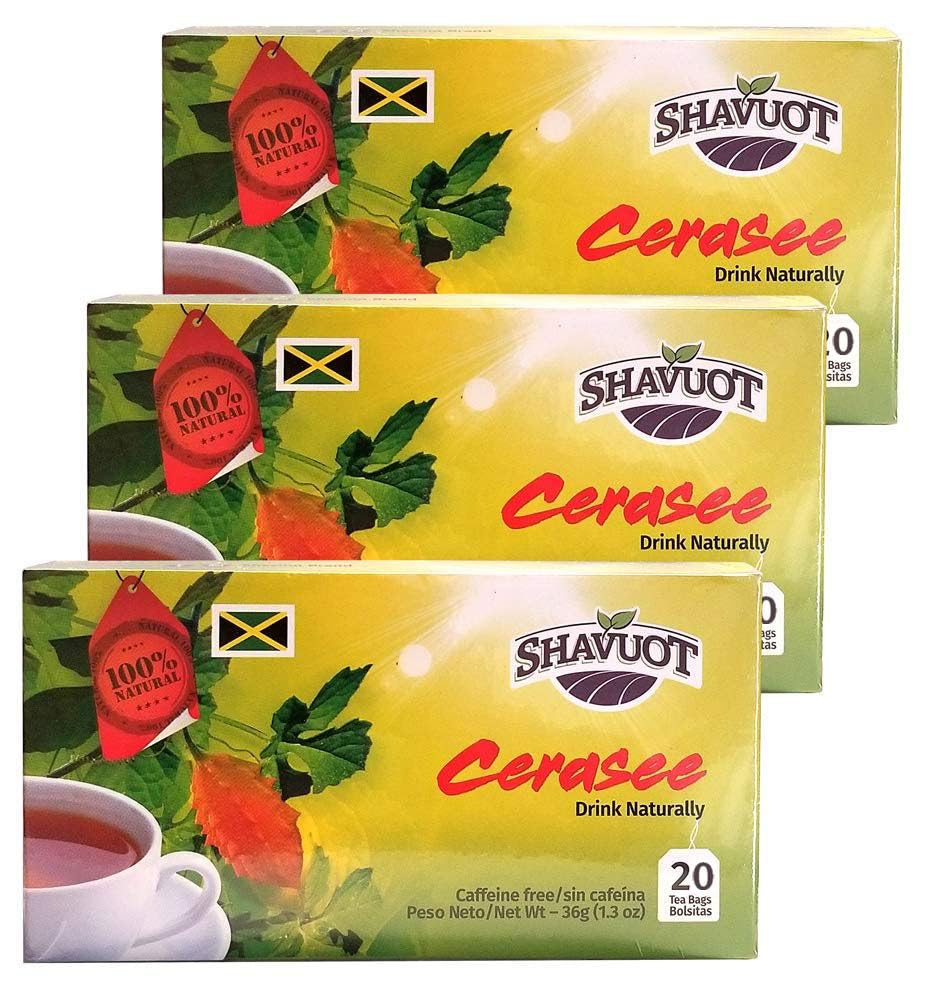
CERASEE TEA BENEFITS: THE CARIBBEAN BITTER HERB THAT SCIENCE IS CATCHING UP TO
Cerasee, the Caribbean name for Momordica charantia and its close relatives, is one of the most important medicinal plants in Jamaican and Caribbean folk medicine. Used for everything from blood sugar management to skin conditions to intestinal parasites, cerasee tea is consumed across the Caribbean diaspora worldwide with a confidence born from generations of observed effectiveness. Modern pharmacological research has been progressively confirming the mechanisms behind these traditional applications, making cerasee one of the more scientifically validated plants in the Caribbean herbal tradition.
WHAT MAKES CERASEE BIOLOGICALLY ACTIVE
Momordica charantia contains charantin, a mixture of steroidal saponins with documented hypoglycemic activity, polypeptide-p which mimics insulin action, and momordicin alkaloids with antiparasitic and antimicrobial properties. The flavonoid content includes quercetin, kaempferol, and catechins. The bitter compounds contributing to the characteristic intense bitterness are the same sesquiterpene lactones that drive the plant’s biological activity.
Studies indexed on PubMed have characterized these compounds in detail across multiple cultivars and preparation methods, confirming that the bioactive profile is consistent across the different varieties used in Caribbean traditional medicine. Our earlier guide to cerasee tea covers the compound profile in detail. This guide focuses on the evidence-backed benefits specifically.
BLOOD SUGAR MANAGEMENT: THE MOST CLINICALLY DOCUMENTED BENEFIT
A meta-analysis of nine controlled trials found bitter melon preparations, including cerasee, significantly reduced fasting blood glucose in participants with type 2 diabetes. The mechanisms are multiple: charantin and polypeptide-p enhance cellular glucose uptake through complementary pathways, while the flavonoid content inhibits alpha-glucosidase enzymes that slow carbohydrate absorption.
This blood sugar-lowering evidence is the strongest clinical basis for cerasee’s traditional reputation as a remedy for the sugar condition. For athletes managing insulin sensitivity and body composition, the mechanisms align directly with the goals of optimizing post-training glucose uptake and reducing insulin resistance accumulation from high training loads.
ANTIPARASITIC EFFECTS: TRADITIONAL USE VALIDATED
A randomized trial published in the Journal of Medicinal Food found dried cerasee preparations comparable to the pharmaceutical antiparasitic albendazole for clearing several intestinal parasite species in Nigerian children. The mechanism involves momordicin alkaloids directly toxic to helminth parasites through oxidative mechanisms.
This is a genuinely strong clinical finding for a traditional antiparasitic application. Compared to most herbal antimicrobial claims that rely primarily on in vitro evidence, this controlled trial data with a pharmaceutical comparator represents meaningful clinical validation of the traditional use.
ANTIMICROBIAL ACTIVITY
Cerasee’s essential oil compounds and alkaloids demonstrate broad-spectrum antimicrobial activity against Staphylococcus aureus, E. coli, Salmonella, Candida albicans, and Helicobacter pylori in laboratory research. The concentration of active compounds in a strongly prepared cerasee tea approaches the levels showing activity in these in vitro studies, making gastrointestinal antimicrobial effects plausible from dietary consumption.
This antimicrobial profile complements the blood sugar-lowering effects for people dealing with diabetic gastropathy or gastrointestinal infections that are more common in poorly controlled diabetes. For the broader picture of herbal teas with antimicrobial properties, compare with garlic tea and oregano tea which provide similar antimicrobial coverage through different compound mechanisms.
ANTI-INFLAMMATORY AND ANTIOXIDANT PROPERTIES
The quercetin and kaempferol content provides antioxidant and anti-inflammatory activity consistent with these flavonoids across all plant sources where they appear. Cerasee’s flavonoid-mediated NF-kB inhibition and cytokine reduction contribute to the anti-inflammatory properties alongside the direct antioxidant capacity.
For athletes, the antioxidant and anti-inflammatory contributions complement the blood sugar-stabilizing application. Daily cerasee tea several times per week as part of a broader anti-inflammatory dietary approach supports metabolic health, immune function, and training recovery from multiple mechanistic angles.
LIVER HEALTH
Animal studies consistently find cerasee preparations reduce liver enzyme markers of oxidative damage and hepatocellular injury. The mechanisms include antioxidant protection of hepatocytes and anti-inflammatory reduction of hepatic cytokine production. Human clinical evidence for liver protection specifically from cerasee consumption is limited, but the animal data and compound mechanisms align with the traditional use of bitter melon preparations for liver and digestive health across multiple Asian and Caribbean traditional medicine systems.
SAFETY: THE IMPORTANT CAVEATS
Cerasee tea at two to three cups several times per week rather than daily excessive consumption represents the safe use pattern. Daily high-dose consumption has been associated with liver enzyme elevation in some case reports. Men planning to conceive should be cautious due to studies showing antifertility effects on sperm parameters. Pregnant women must avoid cerasee as its uterine-stimulating compounds pose miscarriage risk.
Individuals taking metformin or other diabetes medications should monitor blood glucose carefully when adding cerasee tea, as the combined hypoglycemic effect may require dose adjustment to prevent excessively low blood sugar. Medical disclosure before regular cerasee consumption is appropriate for anyone managing diagnosed diabetes with pharmaceutical treatment.
CERASEE IN THE DIASPORA: CULTURAL AND PRACTICAL SIGNIFICANCE
Cerasee tea holds a significance in Caribbean diaspora communities across the US, UK, and Canada that goes beyond its pharmacological properties. It represents a direct connection to Caribbean healing traditions, a marker of cultural identity, and a practical tool that people trust from direct family and community experience. The clinical research confirming several of its traditional uses does not create this trust retroactively. It validates what communities have known from practice across generations.
Caribbean grocery stores in most major cities in the US, UK, and Canada stock dried cerasee, both the Jamaican variety and related bitter melon products from Asian grocery stores that provide the same Momordica charantia species under different names. The availability of fresh bitter melon from Asian markets gives urban consumers additional preparation options including fresh juice and light infusions that may provide different compound ratios than the traditional dried tea preparation.
PRACTICAL TIPS FOR MAKING AND USING CERASEE TEA
Traditional cerasee tea is prepared by simmering a small handful of fresh or dried cerasee vine in water for ten to fifteen minutes until the water turns a dark, amber-green color and has a distinctly intense bitter aroma. The taste is extremely bitter, more intense than any other herbal tea in common use. Starting with a smaller amount of herb and shorter steeping time allows the flavor to become familiar before progressing to the full traditional preparation strength.
Adding honey after removing from heat, or mixing with a small amount of fresh lime or lemon juice, makes the bitterness more manageable without eliminating the bioactive compounds that are responsible for the therapeutic effects. Drinking it warm is more palatable than room temperature or cold for most people new to the herb. Two cups several times per week rather than daily remains the recommended use pattern that captures the benefits while staying within safe consumption parameters.
FINAL WORDS
Cerasee tea occupies a well-earned position in Caribbean herbal medicine, supported by clinical evidence that validates several of its most important traditional applications. The blood sugar management evidence is the strongest, the antiparasitic clinical trial data is genuinely impressive, and the antimicrobial and anti-inflammatory properties provide a mechanistic basis for the broader traditional uses. Use it as the Caribbean tradition uses it: specifically for health purposes, at the traditional dose of strong tea two to three times per week rather than as a daily casual beverage, and with awareness of the safety considerations for specific populations. That pattern of use reflects both the genuine respect this plant deserves and the appropriate caution that its potency warrants.
Certified strength and conditioning specialists with over 10 years of combined experience in powerlifting, nutrition coaching, and evidence-based fitness content. Based in New York City, the Genghis Fitness team tests every protocol in the gym before writing about it.