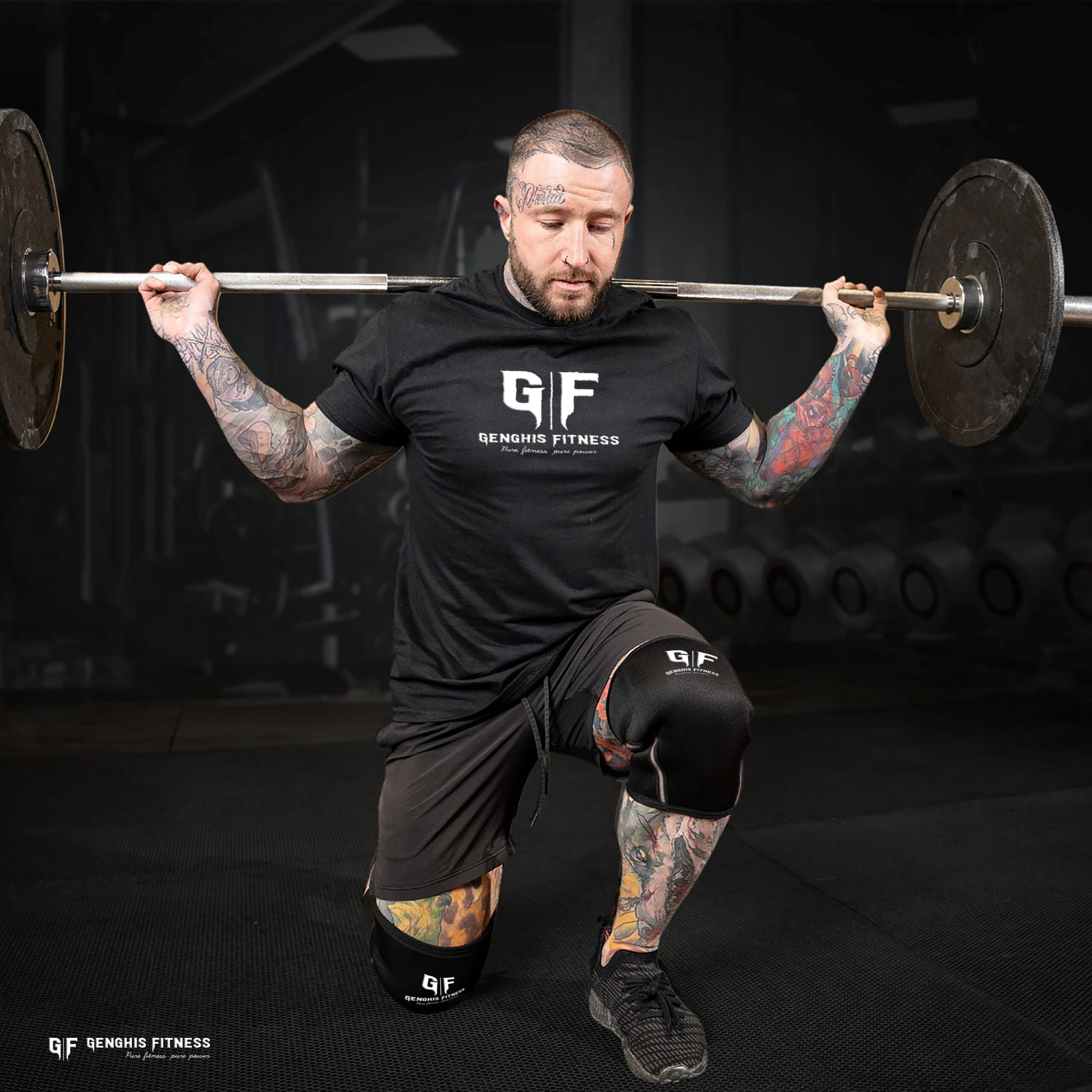
CLEANING WEIGHTLIFTING KNEE SLEEVES: THE COMPLETE CARE GUIDE FOR MAXIMUM SERVICE LIFE
Cleaning weightlifting knee sleeves is one of the maintenance practices most directly connected to how long those sleeves retain their functional properties and whether they remain hygienic for sustained skin contact across weeks and months of heavy training. Neoprene knee sleeves accumulate sweat, dead skin cells, chalk, and bacterial growth with every training session. Without regular cleaning, this accumulation saturates the inner neoprene surface and creates conditions for accelerated material degradation and skin irritation that shortens both the sleeve’s service life and the comfort of wearing it. Cleaning correctly preserves the elastic memory, thermal retention, and structural integrity that make knee sleeves functionally effective rather than simply present on the knee.
WHY NEOPRENE CLEANING MATTERS FOR FUNCTION AND LONGEVITY
Neoprene is a synthetic rubber material with a closed-cell structure that provides both thermal retention and compressive elasticity. The closed-cell structure means that surface contamination sits on or within the outer cell layer rather than penetrating through the material, which makes surface cleaning effective at removing the biological buildup that causes odor and degradation. However, prolonged accumulation of sweat and skin cells does progressively saturate the outermost cell layer and begin breaking down the surface chemistry that gives neoprene its elasticity and thermal retention properties. Research on neoprene material properties under thermal and chemical stress confirms that organic contamination accelerates the degradation of neoprene’s elastic properties beyond what mechanical wear alone produces, validating the role of cleaning in extending sleeve service life.
THE MOST IMPORTANT PRACTICE: RINSE IMMEDIATELY AFTER EVERY SESSION
The most important immediate cleaning practice is rinsing knee sleeves with cool water immediately after every training session, before sweat and chalk have time to dry and penetrate into the neoprene structure. A thirty-second rinse under cool running water with the sleeves inside out removes the majority of fresh sweat and chalk before it can begin the degradation process that happens during storage between sessions. This post-session rinse requires almost no time and dramatically reduces the buildup that monthly deep cleaning must address. Think of it as the equivalent of rinsing workout clothes before tossing them in the hamper rather than leaving them to sit in dried sweat until laundry day.
ALWAYS CLEAN INSIDE OUT
Turn the sleeves inside out for rinsing and washing. The inner surface of the sleeve is the one in direct contact with the skin and is where sweat and skin cell accumulation is most concentrated. Turning the sleeve inside out during cleaning ensures that the water and any cleaning agent contact the highest-contamination surface directly rather than having to penetrate through the outer neoprene layer to reach the inner surface. After rinsing, allow the sleeves to hang inside out in an area with good airflow until completely dry. Storing neoprene sleeves before they are fully dry creates the warm, moist conditions where bacterial growth is most aggressive, accelerating both odor development and material degradation.
MONTHLY DEEP CLEAN WITH MILD SOAP
Monthly deep cleaning with mild soap removes the accumulated buildup that daily rinsing does not fully address. Use a small amount of mild liquid soap, such as dish soap or a dedicated sports equipment cleaner, applied directly to the inner neoprene surface of the inside-out sleeve. Work the soap into the inner surface with gentle hand pressure, paying attention to the areas with visible discoloration or odor. Rinse thoroughly with cool water until all soap residue is removed. Soap residue left in the neoprene can irritate the skin during the next wearing and degrades the elastic properties more aggressively than the sweat it was cleaning away. Thorough rinsing after soaping is as important as the cleaning step itself.
NEVER MACHINE WASH OR TUMBLE DRY
Machine washing is the most common cause of premature neoprene knee sleeve degradation. The agitation of a washing machine stretches and compresses the neoprene repeatedly in ways it was not designed to withstand, accelerating the loss of elastic memory that is responsible for the compression properties that make knee sleeves functionally effective. The heat of a dryer cycle is even more damaging, as neoprene’s elastic cellular structure begins breaking down at temperatures significantly lower than typical dryer temperatures. A single hot dryer cycle can visibly reduce the elastic compression of a quality neoprene sleeve and cannot be reversed once the damage is done. Always hand wash and air dry.
ELIMINATING PERSISTENT ODOR WITH WHITE VINEGAR
Odor that persists after cleaning with mild soap can be addressed with a white vinegar soak. Fill a basin with cool water and add approximately one cup of white vinegar per gallon of water. Submerge the inside-out sleeve and allow to soak for thirty minutes, then rinse thoroughly with cool water and air dry. White vinegar’s mild acidity neutralizes the bacterial compounds that produce the persistent musty odor in neoprene without the harsh chemistry that damages the neoprene structure. This treatment is safe for neoprene and can be repeated as needed for sleeves that have accumulated significant bacterial odor over extended periods without adequate cleaning.
CLEANING FREQUENCY BY TRAINING VOLUME
The frequency of cleaning should scale with the frequency and intensity of training. Athletes training four or more sessions per week with heavy compound lower body work should rinse after every session and deep clean with soap monthly. Athletes training two to three sessions per week can rinse after every session and deep clean every six to eight weeks without the accumulation rate producing meaningful degradation between cleanings. Sleeves used in competition, where the volume of a single competition day can approximate several normal training sessions, should be cleaned immediately after competition regardless of the regular cleaning schedule. Athletes who notice visible discoloration on the inner sleeve surface or a persistent odor that remains after airing out should treat this as a prompt for immediate deep cleaning rather than waiting for a scheduled maintenance date, as these signs indicate accumulation beyond what the regular schedule is adequately managing.
RECOGNIZING WHEN SLEEVES NEED REPLACEMENT
Properly cleaned and stored knee sleeves retain their elastic compression properties for two to three years of regular heavy training use with consistent care. Signs that a sleeve has reached the end of its functional service life include: compression that has reduced visibly below initial levels, visible thinning or cracking at fold points, or inner surface degradation that causes skin irritation that was not present when the sleeves were new. At this point, replacement with a fresh pair of quality knee sleeves restores the thermal and proprioceptive benefits that degraded compression can no longer deliver. Pair well-maintained sleeves with knee wraps on maximum effort squat days and a quality belt for complete lower body joint support.
FINAL WORDS
Cleaning weightlifting knee sleeves is a five-minute weekly practice that directly determines how long your sleeves maintain the compression and thermal properties that justify wearing them. Rinse inside-out under cool water immediately after every session. Deep clean with mild soap monthly. Air dry completely before storage. Never machine wash or tumble dry. Address persistent odor with a white vinegar soak. These practices extend the service life of quality knee sleeves from the one to two years that uncleaned sleeves typically last to the two to three years that properly maintained neoprene can provide, while maintaining the compression and hygiene that make knee sleeves a consistent benefit rather than a maintenance burden.
Certified strength and conditioning specialists with over 10 years of experience in powerlifting, nutrition, and evidence-based fitness content. Based in New York City.
The complete knee sleeves, wraps and joint support guides answers every joint support question: when to use sleeves vs wraps, how compression protects training longevity, and which support type suits powerlifting, CrossFit, and general strength training.