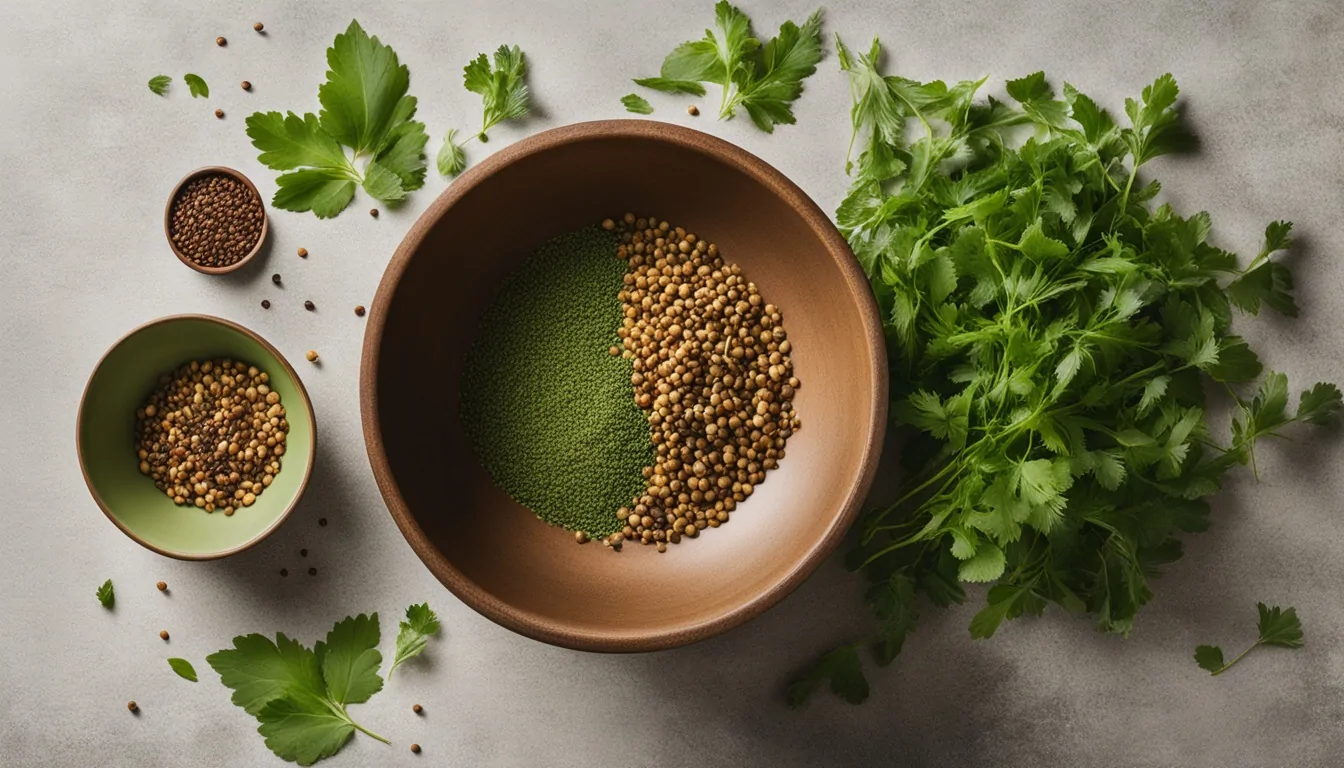
Coriander vs Cilantro: Why the Same Plant Goes by Two Names and How to Use Both
If you have ever followed a recipe and hit the word coriander, then looked at another recipe for the same dish that calls for cilantro, you might have stopped and wondered whether they are the same thing or two completely different ingredients. The short answer is that they come from the same plant. The longer answer is that the name you use depends on where you live and which part of the plant you are actually working with.
In the United States and most of Latin America, cilantro refers to the fresh green leaves and stems of the Coriandrum sativum plant. Coriander in those same places usually refers to the dried seeds. In the United Kingdom, most of Europe, India, and Australia, the entire plant including its leaves is called coriander, and the seeds are specifically called coriander seeds. This regional naming difference causes constant recipe confusion and it is completely unnecessary once you understand the distinction.
One Plant, Two Very Different Flavors
The same plant produces leaves with a bright, citrusy, and slightly soapy flavor profile and seeds with an entirely different warm, nutty, and earthy taste. Using one when a recipe calls for the other will throw off the dish significantly. They are not interchangeable despite coming from the same source. Think of it like how basil leaves and basil seeds have nothing in common in terms of how they taste or how you cook with them.
The distinct flavor of cilantro leaves comes from a group of chemical compounds called aldehydes. These same compounds are found in soap, which explains why roughly 10 to 15 percent of the population perceives cilantro as tasting like soap rather than herbs. According to genetic research, this perception is linked to variations in the OR6A2 gene, which encodes an olfactory receptor particularly sensitive to those aldehyde compounds. If you are in that group, you are not imagining it and you are not alone.
Nutritional Profile of Cilantro Leaves
Vitamins and Antioxidants
Fresh cilantro leaves are a surprisingly good source of vitamins K and A. A single cup of raw cilantro provides more than 60 percent of the recommended daily intake for vitamin K, which plays a central role in blood clotting and bone health. It also provides a meaningful amount of vitamin C and folate. Given that most people use cilantro in small quantities as a garnish, those numbers are unlikely to move the needle on their own, but they add up when you use it generously.
Cilantro also contains quercetin, kaempferol, and other plant-based antioxidants that have been studied for their potential anti-inflammatory effects. Research available on PubMed suggests these compounds may play a role in reducing oxidative stress at the cellular level. None of this makes cilantro a superfood you need to load up on, but it confirms that fresh herbs are worth including regularly in your diet rather than treating them as optional.
Nutritional Profile of Coriander Seeds
Minerals and Digestive Benefits
Coriander seeds are a concentrated source of dietary fiber, iron, and manganese. Two teaspoons of ground coriander contains about 5 percent of your daily iron needs and a notable amount of manganese, which supports bone metabolism and antioxidant enzyme function. The fiber content in whole seeds is also worth noting because most people in the US and UK fall short of daily fiber recommendations consistently.
Coriander seeds have a long history in traditional medicine across South Asia and the Middle East for supporting digestive health. Early research suggests they may help reduce bloating and support healthy gut motility, though clinical trials in humans are still limited. What is well-established is that the seeds are a fundamental flavor-building ingredient in countless spice blends, from Indian garam masala to Moroccan ras el hanout.
How to Use Cilantro in the Kitchen
Fresh cilantro leaves go into dishes at the end of cooking or as a finishing garnish. Heat breaks down those delicate flavor compounds quickly, so adding cilantro to a hot dish right before serving preserves the bright, fresh taste. It is a core ingredient in Mexican salsas, guacamole, and street tacos. It shows up in Vietnamese pho, Thai curries, Indian chutneys, and Moroccan chermoula sauce.
The stems of cilantro are edible and flavorful, though slightly more pungent than the leaves. Many professional cooks chop the stems finely and add them at the start of cooking when building a base for soups or stews. Do not throw them away. If you have more fresh cilantro than you can use before it wilts, blend it with olive oil and freeze it in ice cube trays for easy later use in cooked dishes.
How to Use Coriander Seeds in the Kitchen
Whole coriander seeds are best used toasted in a dry pan before being ground or used whole. Toasting takes about two minutes over medium heat until the seeds become fragrant, and this step dramatically intensifies their warm, citrus-spiced flavor. Once toasted, grind them in a spice grinder or mortar and pestle for fresh ground coriander that is far more flavorful than anything from a pre-ground jar sitting on a shelf for months.
Ground coriander is a base spice in countless spice rubs for grilled meats, which makes it directly relevant to anyone who is serious about the food they fuel their training with. It pairs particularly well with cumin, turmeric, and paprika. Whole seeds go into brines for pickling vegetables, into braised dishes, and into bread doughs in the Middle Eastern and Eastern European baking traditions.
Storing Each One for Maximum Freshness
Fresh cilantro is delicate and wilts fast. The best way to keep it fresh for up to two weeks is to trim the stems slightly, place the bunch in a glass of water like cut flowers, cover loosely with a plastic bag, and store it in the refrigerator. Change the water every few days. Alternatively, wrap the bunch in a damp paper towel and place it in an airtight bag in the crisper drawer.
Coriander seeds and ground coriander should be stored in airtight containers away from heat, light, and moisture. Whole seeds stay potent for about three to four years. Ground coriander loses its punch after six to twelve months, so buy it in smaller quantities and replace it regularly. Label your spice jars with the purchase date to stay on top of freshness. Good ingredients and good habits apply in the kitchen the same way they apply in the gym, where quality lifting straps and the right lever belt make every session more productive.
Common Recipes That Feature Both
Indian cuisine uses both extensively but separately. Fresh coriander leaves get scattered over dal, biryani, and curries as a finishing herb. Whole and ground coriander seeds build the flavor base of almost every curry paste and spice blend. A recipe like chicken tikka masala might include both coriander seeds in the marinade and fresh cilantro leaves as a garnish, which illustrates perfectly how the same plant serves two distinct roles in a single dish.
Mexican cuisine relies heavily on fresh cilantro in its raw form. Pico de gallo, guacamole, carnitas, and most taco toppings call for fresh chopped cilantro added at serving time. The dried seeds see less use in traditional Mexican cooking than in Indian or Middle Eastern cuisines, though they do appear in certain mole sauces and spice blends from different regional traditions across the country.
Growing Your Own Coriander at Home
Coriander is one of the easiest herbs to grow at home and it makes sense to grow it if you use it regularly. A container on a sunny windowsill in a New York apartment or a small garden bed in a suburban backyard in Texas works equally well. Sow seeds directly into the soil or container because coriander does not transplant well. Keep the soil consistently moist and the plant will bolt to seed in hot weather, at which point you harvest the fresh seeds for spice use.
The leaves grow fastest in cooler temperatures, so spring and fall are ideal in most US and European climates. If you want a continuous supply of fresh leaves through the summer, stagger your plantings every two to three weeks. Once the plant bolts and flowers, harvest the seeds when they turn brown and dry on the plant. Store them in a sealed jar. You now have both ingredients from a single planting.
FINAL WORDS
Coriander and cilantro are the same plant and the names you use depend entirely on where you are from and which part of the plant you are cooking with. Fresh leaves are cilantro in the US and coriander leaves in the UK. Dried seeds are coriander everywhere. Understanding this clears up recipe confusion instantly and helps you cook with confidence. Fuel your training with real food, build consistent habits in the gym, and make sure your equipment keeps up with your ambition. Browse the nylon lifting belt and performance knee sleeves from Genghis Fitness built for athletes who go all the way.
Certified strength and conditioning specialists with over 10 years of experience in powerlifting, nutrition, and evidence-based fitness content. Based in New York City.