Genghis Fitness · Equipment and Materials Guide
Cotton Lifting Straps: How They Compare to Leather and Nylon, Durability Under Heavy Loads, Best Uses, and When to Upgrade
Updated 2026 | By Team Genghis Fitness | 22 min read
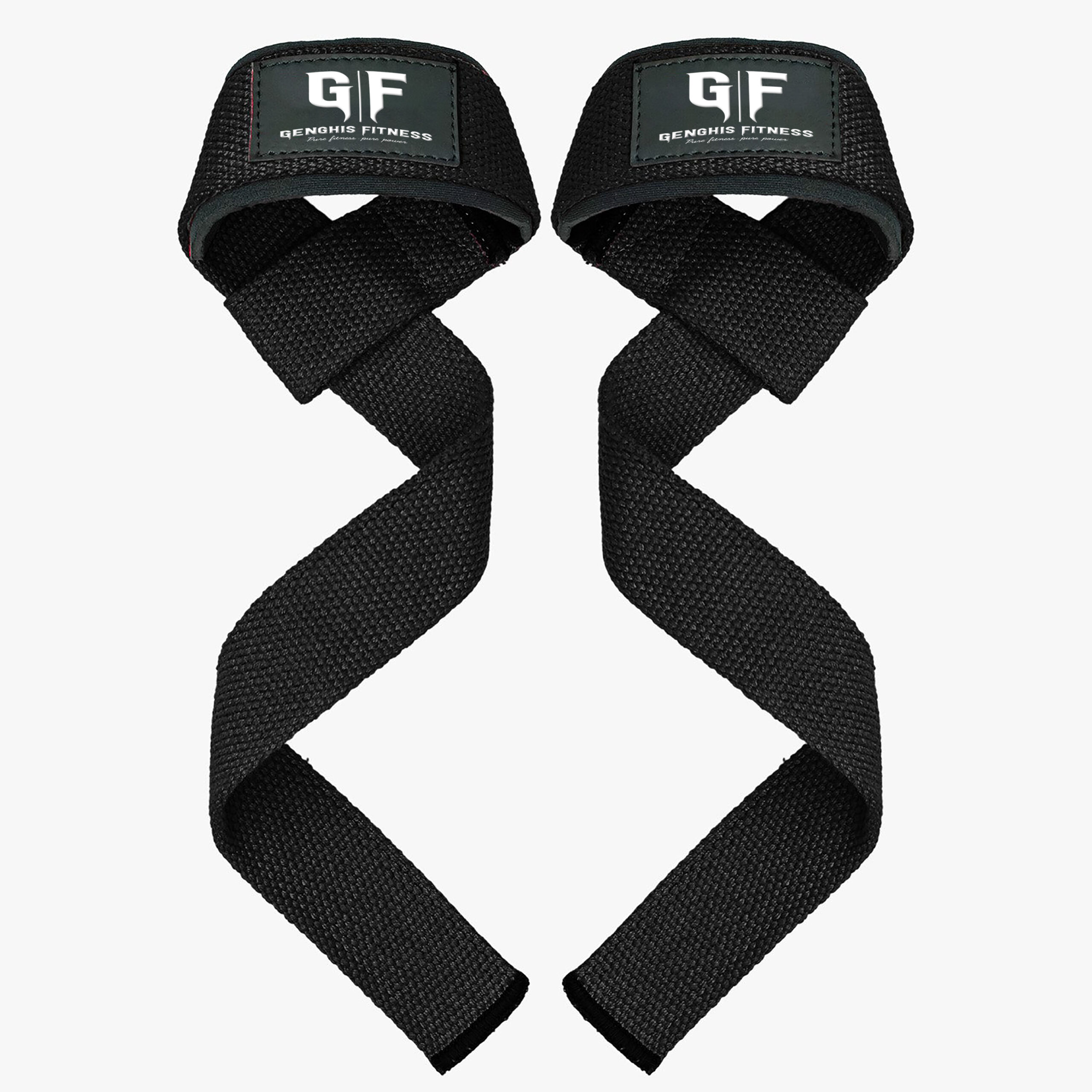
Cotton lifting straps are the most widely available and most affordable lifting strap option on the market, making them the entry point for most athletes discovering strap-assisted training. They work well for light to moderate loads and are entirely adequate for athletes in the early stages of training where deadlift and rowing weights have not yet exceeded the grip capacity that unstrapped training can provide. As training loads increase, cotton straps begin to show their limitations compared to leather and nylon alternatives: they absorb chalk and sweat, reducing their grip on the bar over time; they stretch slightly under very heavy loads, reducing the locked-in feel of heavier alternatives; and they wear through faster under the friction of repeated heavy use. Understanding exactly where cotton straps perform adequately and where upgrading to a different material delivers a meaningful performance and durability benefit allows athletes to make equipment choices matched to their current training demands.
Cotton vs Leather vs Nylon: A Direct Comparison
Cotton straps are soft, comfortable from the first use without any break-in period, and gentle on the wrists and hands. They are the easiest material to wrap around the bar due to their pliability. The primary weaknesses are durability (cotton fibres abrade and fray with heavy use) and performance under extreme loads (cotton stretches more than leather or nylon, reducing the locked feel at maximum deadlift weights). For athletes training with deadlift loads up to approximately 150 to 180 kg, cotton straps are functionally adequate.
Leather straps offer significantly greater durability and a firmer bar connection under heavy loads due to leather’s lower elasticity compared to cotton. They conform to the bar shape over time, improving grip security with use. The main disadvantage is stiffness when new, requiring a break-in period before they are fully comfortable. The Genghis Fitness leather lifting straps are designed for athletes training at loads where cotton’s durability and stretch limitations become performance-relevant. Research on material properties for grip equipment published in the Journal of Biomechanics confirmed that lower-stretch materials produce greater grip force consistency under variable loads compared to higher-stretch alternatives, supporting the practical advantage of leather and nylon over cotton at heavy training weights.
Nylon straps combine durability closer to leather with comfort closer to cotton. Nylon does not fray as readily as cotton, resists moisture absorption better, and maintains its dimensions under load better than cotton while being more flexible and comfortable from first use than leather. For athletes wanting a durable, comfortable all-round strap, nylon is often the best balance between the properties of cotton and leather. The Genghis Fitness standard lifting straps use a cotton-nylon blend that provides comfort alongside improved durability over pure cotton.
When Cotton Straps Are Adequate
Cotton straps are entirely adequate for athletes who are newer to strap-assisted training and training with deadlift loads under 150 kg, rowing loads under 100 kg per arm for dumbbell rows, and general pulling exercises at sub-maximal training weights. At these loads, the stretch and durability differences between cotton and premium materials are not functionally significant. Cotton straps are also appropriate for exercises where a softer strap material is preferred for comfort reasons, such as exercises performed for high reps where sustained wrist contact with a stiffer material would become uncomfortable over a long set. The complete guide to how straps integrate with specific pulling exercises is in our how to use lifting straps guide.
Signs It Is Time to Upgrade
The clearest indicators that an athlete has outgrown cotton straps and should upgrade to leather or nylon are: visible fraying or thinning of the cotton at the bar contact point (which indicates impending failure under load), noticeable stretch in the strap under heavy deadlift loads that creates a loose rather than locked-in feel, and chalk absorption making the inner surface of the strap slick rather than grippy against the bar. Any of these signs in a cotton strap that is regularly used for heavy deadlifts above 150 to 160 kg warrants replacement with a more durable material. Continuing to use visibly frayed or stretched cotton straps at heavy loads is a safety concern, as a strap failure during a maximum deadlift drops the bar unpredictably while the wrist is still secured.
Figure-8 Straps for Maximum Security
For athletes pulling near-maximum loads in deadlifts and rack pulls, the figure-8 strap design provides the most secure bar connection available across all strap materials. The figure-8 design threads through itself around the bar, creating a mechanical lock that cannot slip or unravel even under extreme load, unlike the wrapped loop design of standard straps. The Genghis Fitness figure-8 lifting straps are the appropriate choice for athletes regularly pulling above 180 to 200 kg where the loop strap connection security becomes a concern under maximal loading. Figure-8 straps are not suitable for exercises requiring quick bar release, so they are used exclusively for deadlifts and rack pulls where the fixed connection is safe.
Caring for Cotton Straps to Maximise Longevity
Proper care significantly extends the useful life of cotton lifting straps. After each training session, unroll the straps and allow them to air dry rather than leaving them coiled in a gym bag where trapped moisture promotes bacterial growth and material degradation. Remove chalk accumulation by rinsing the bar contact area under running water, then air drying completely before storage. Inspect the bar contact zone monthly for fraying or thinning. Store straps flat or loosely coiled in a dry environment. Athletes who care for cotton straps consistently can extend their useful life to 9 to 12 months. When upgrading, the performance improvements from leather lifting straps are immediately noticeable. For deadlift loads above 180 kg, the figure-8 lifting straps provide a mechanical lock that exceeds what any loop strap can achieve under extreme loads.
Frequently Asked Questions
How Long Do Cotton Lifting Straps Last?
With regular use (3 to 5 sessions per week of heavy pulling), cotton straps typically last 3 to 6 months before showing significant fraying at the bar contact point. Athletes training at lighter loads with less frequency may get 12 months or more from a pair. Inspecting straps monthly for fraying at the bar wrap area and replacing at the first signs of structural degradation is the safe practice. At the low cost of cotton straps, proactive replacement before failure is the economical and safe approach.
Can You Wash Lifting Straps?
Yes. Cotton straps can be machine-washed in a mesh laundry bag on a gentle cycle and air-dried. Do not put cotton straps in a tumble dryer as heat can shrink and stiffen the cotton. Leather straps should be wiped down with a damp cloth and conditioned with leather conditioner rather than machine-washed, as water immersion damages leather fibres. Nylon straps can be hand-washed with mild soap and water and air-dried. Regular cleaning removes chalk, sweat, and bacterial accumulation that degrades strap material and produces odour over time.
The Right Strap for the Right Load. Every Time.
Match your strap material to your training weight and never compromise a heavy pull.
Shop Lifting StrapsShop Leather StrapsCertified strength and conditioning specialists with over 10 years of experience in powerlifting, nutrition, and evidence-based fitness content. Based in New York City.