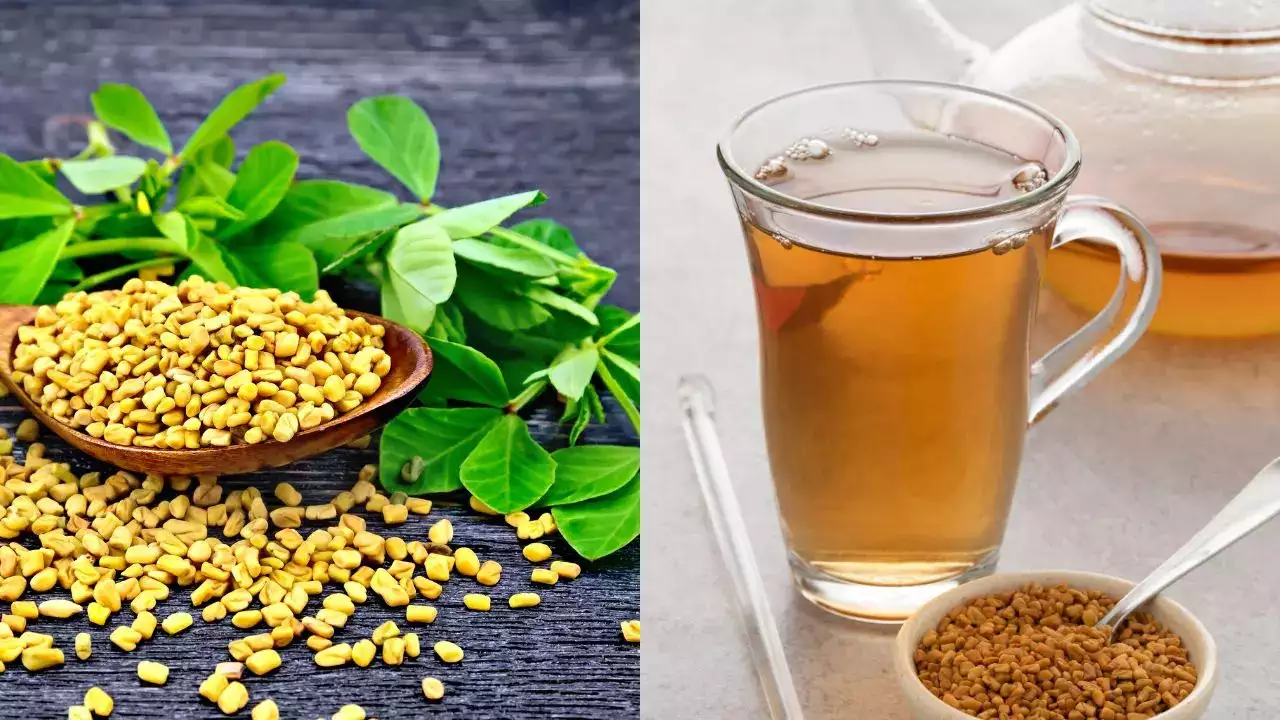
FENUGREEK TEA: THE ANCIENT SPICE WITH IMPRESSIVE METABOLIC AND HORMONAL EVIDENCE
Fenugreek, Trigonella foenum-graecum, is a seed spice used across Indian, Middle Eastern, and North African cuisines with a history of medicinal use spanning 4,000 years. The slightly bitter, maple syrup-scented seeds produce a tea with a genuinely compelling body of clinical evidence for blood sugar management, testosterone support in men, milk production in nursing women, and digestive health. This is not a niche herbal curiosity. It is a well-studied plant with specific, reproducible effects documented in multiple independent clinical trials.
WHAT FENUGREEK TEA CONTAINS
Fenugreek seeds are rich in galactomannan, a soluble fiber that constitutes up to 45 percent of the seed by weight. This mucilaginous fiber forms a gel in the digestive tract that slows glucose absorption, reduces cholesterol uptake, and creates satiety. The steroid saponins including diosgenin and yamogenin have estrogenic and possibly androgenic precursor activity. 4-hydroxyisoleucine is a unique amino acid that directly stimulates insulin secretion from pancreatic beta cells. Studies indexed on PubMed have confirmed systemic bioavailability of these compounds following oral consumption.
BLOOD SUGAR MANAGEMENT: THE BEST-EVIDENCED APPLICATION
A meta-analysis of ten randomized controlled trials found that fenugreek supplementation significantly reduced fasting blood glucose and HbA1c compared to placebo in people with type 2 diabetes. The mechanisms are multiple: galactomannan slows dietary carbohydrate absorption, 4-hydroxyisoleucine directly stimulates insulin secretion, and the saponin fraction improves insulin receptor sensitivity.
For athletes managing body composition through blood sugar stability and insulin sensitivity optimization, fenugreek tea consumed with carbohydrate-containing meals is one of the most evidence-backed dietary tools available. Pair it with turmeric tea post-training for complementary NF-kB and metabolic support.
TESTOSTERONE AND MALE HORMONAL HEALTH
Several randomized trials have found fenugreek supplementation increases free testosterone and total testosterone in healthy men. A six-week trial in resistance-trained men found significantly higher free testosterone and better body composition outcomes in the fenugreek group compared to placebo. The mechanism involves fenugreek saponins inhibiting the aromatase enzyme that converts testosterone to estrogen, and possibly 5-alpha reductase inhibition.
For male athletes focused on optimizing the hormonal environment for muscle development and training adaptation, daily fenugreek tea provides these testosterone-supportive effects alongside the blood sugar and metabolic benefits. This is the opposite hormonal effect from spearmint tea, which reduces testosterone and is relevant for women with androgen excess conditions.
BREAST MILK PRODUCTION FOR NURSING MOTHERS
Fenugreek is the most widely studied galactagogue, a substance that increases breast milk production, in the herbal medicine literature. Multiple clinical trials have found fenugreek supplementation significantly increases milk volume compared to placebo. The proposed mechanism involves fenugreek compounds stimulating sweat gland activity, and breast tissue is considered a modified sweat gland.
The effect is typically apparent within 24 to 72 hours of starting fenugreek consumption and is the most consistently documented effect of all fenugreek applications. For nursing mothers looking for dietary support for milk supply, fenugreek tea is backed by the strongest evidence of any herbal galactagogue.
CHOLESTEROL AND CARDIOVASCULAR EFFECTS
The galactomannan fiber in fenugreek seeds reduces LDL cholesterol by binding bile acids in the intestine and forcing the liver to use more cholesterol to produce new bile. This is the same mechanism as pharmaceutical bile acid sequestrants, though at considerably lower potency levels. Several trials confirm meaningful LDL reductions from fenugreek consumption alongside triglyceride improvements.
Combined with the blood sugar management effects, fenugreek tea addresses both components of metabolic syndrome simultaneously through complementary mechanisms. For the broader cardiovascular tea picture, compare with rooibos tea and black tea which address cardiovascular health through polyphenol and theaflavin mechanisms.
DIGESTIVE BENEFITS AND ANTI-INFLAMMATORY PROPERTIES
The mucilaginous fiber of fenugreek coats and soothes gastrointestinal mucosa, making fenugreek tea useful for gastric irritation and reflux alongside its metabolic applications. The saponins provide mild anti-inflammatory activity, and the antioxidant content from flavonoid compounds including vitexin and quercetin contributes to the overall anti-inflammatory profile.
HOW TO PREPARE FENUGREEK TEA
Lightly crush or grind one to two teaspoons of fenugreek seeds and steep in hot water just below boiling for ten to fifteen minutes. Whole seeds release less of their active compounds than crushed ones. The flavor is distinctly bitter and maple-like with a slightly nutty quality. Adding honey and lemon significantly improves palatability. Fenugreek blends well with ginger and cinnamon for a warming metabolic blend that addresses multiple blood sugar management mechanisms simultaneously.
One to two cups daily is appropriate for general metabolic health. Three or more cups daily is the range used in the milk production trials. Fenugreek can cause a harmless maple-syrup-like body odor in sweat and urine from sotolone, one of its volatile compounds. This is not a health concern but worth knowing to avoid unnecessary alarm.
FENUGREEK FOR ATHLETIC PERFORMANCE AND BODY COMPOSITION
Fenugreek’s combination of testosterone support and blood sugar management makes it particularly relevant for male athletes pursuing simultaneous goals of muscle development and body composition optimization. Higher free testosterone supports muscle protein synthesis responses to resistance training, while improved insulin sensitivity directs the post-training carbohydrate intake toward muscle glycogen replenishment rather than fat storage. These two mechanisms working together create a more favorable partitioning environment that amplifies training adaptation over months of consistent fenugreek consumption.
The galactomannan fiber of fenugreek also creates satiety by slowing gastric emptying, which supports caloric management without requiring dramatic restriction. For athletes in a body recomposition phase who need to manage energy intake while maintaining training performance, fenugreek tea with meals provides blood sugar stability, satiety support, and hormonal optimization simultaneously from a single low-cost dietary addition.
Athletes using fenugreek for testosterone support should note that the testosterone effects were demonstrated in resistance-trained men consuming fenugreek alongside a structured training program. The effect is an enhancement of the hormonal response to training rather than a substitute for it. Fenugreek tea without adequate resistance training stimulus will not produce the same hormonal benefits observed in trials where participants were training consistently. The combination of training stimulus and fenugreek consumption is what produces the superior outcomes documented in the research.
For nursing mothers using fenugreek tea for milk production, the dosing considerations are different from the metabolic and hormonal applications. The milk production trials used higher doses typically ranging from two to three cups of strong fenugreek tea daily to three or more cups of a moderately prepared tea. The effects appear within one to three days and are reversible on discontinuation. Some infants whose mothers consumed fenugreek tea report a maple syrup scent in the infant’s urine alongside the mother, which is the same harmless sotolone compound. If the infant shows signs of digestive discomfort including gas or colic after the mother starts fenugreek, reducing the dose or discontinuing and reassessing is appropriate. Most infants tolerate maternal fenugreek consumption without any adverse reaction.
FINAL WORDS
Fenugreek tea earns its place in a health-focused beverage routine through a combination of blood sugar management, testosterone support for men, cholesterol reduction, and digestive soothing that few single herbal teas can match in breadth. The clinical evidence is among the strongest of any commonly available herbal tea ingredient. For male athletes optimizing hormonal health and metabolic efficiency simultaneously, fenugreek tea is a particularly high-value daily addition. For anyone dealing with blood sugar instability or cholesterol concerns through dietary approaches, the galactomannan and 4-hydroxyisoleucine mechanisms provide two distinct routes to improvement from a single cup. Start with one cup daily after your largest carbohydrate meal and build from there.
Certified strength and conditioning specialists with over 10 years of combined experience in powerlifting, nutrition coaching, and evidence-based fitness content. Based in New York City, the Genghis Fitness team tests every protocol in the gym before writing about it.