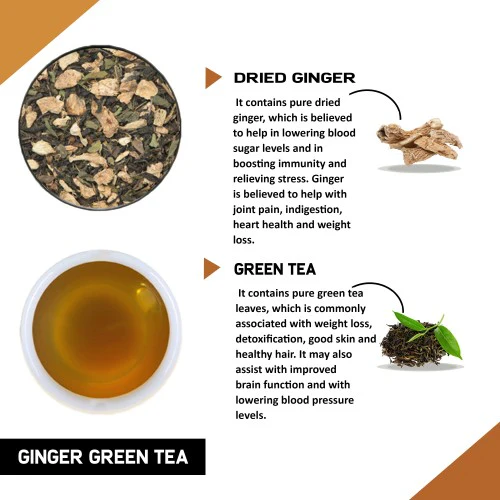
GINGER TEA: THE MOST EVIDENCE-BACKED ANTI-INFLAMMATORY DRINK YOU CAN MAKE AT HOME
Ginger is among the most comprehensively studied medicinal plants in the world. Over 5,000 years of documented use across Asia, the Middle East, and the Caribbean produced the traditional applications. Controlled clinical trials have now confirmed most of them. The active compounds in fresh ginger, the gingerols, and in dried ginger, the more potent shogaols, have been tested for anti-inflammatory, antiemetic, analgesic, cardiovascular, and metabolic effects across dozens of randomized trials.
GINGEROLS AND SHOGAOLS: UNDERSTANDING THE CHEMISTRY
Fresh ginger contains 6-gingerol as the primary active compound. Drying converts gingerols to shogaols through dehydration, and shogaols are approximately twice as potent as gingerols for most measured biological activities. Dried ginger powder in tea often delivers stronger pharmacological effects per gram than fresh root. Additional compounds include paradols, zingerone, and sesquiterpene hydrocarbons including zingiberene.
Studies indexed on PubMed confirm systemic absorption of gingerol and shogaol metabolites from oral consumption, establishing the pharmacokinetic foundation for evaluating ginger tea’s systemic health effects rather than treating them as purely theoretical.
DUAL PATHWAY ANTI-INFLAMMATORY MECHANISM
Most pharmaceutical anti-inflammatory drugs target either COX enzymes, like ibuprofen, or LOX enzymes for leukotriene management. Ginger compounds inhibit both COX and LOX pathways simultaneously. This dual-pathway action explains why ginger shows meaningful anti-inflammatory effects across such a broad range of conditions and why it often compares favorably to single-pathway pharmaceutical agents in head-to-head trials.
Multiple clinical trials confirm that ginger reduces C-reactive protein, IL-6, and TNF-alpha in individuals with elevated inflammatory markers. For athletes managing training-induced inflammation, ginger tea belongs in the same category as the practices outlined in our muscle recovery guide.
For the broadest anti-inflammatory dietary coverage, combine ginger’s COX and LOX inhibition with turmeric tea for NF-kB suppression. These two mechanisms are complementary and together address more of the inflammatory cascade than either does alone.
NAUSEA RELIEF: THE MOST ESTABLISHED APPLICATION
A Cochrane review found ginger more effective than placebo for pregnancy-related nausea with a safety profile comparable to approved first-trimester medications. Randomized trials also support ginger for post-operative nausea, chemotherapy-induced nausea, and motion sickness. This is one of the best evidence bases for any herbal preparation.
The mechanism involves 5-HT3 receptor antagonism in the gastrointestinal tract, the same receptor targeted by pharmaceutical antiemetics like ondansetron. Ginger accelerates gastric emptying, reduces intestinal spasm, and stimulates bile production alongside the direct anti-nausea effects.
For athletes experiencing nausea during high-intensity training, consuming ginger tea in the hour before a session is a practical first-line dietary intervention. A broader discussion of herbal teas and gastrointestinal health is in our digestion tea guide.
MUSCLE PAIN AND EXERCISE RECOVERY
A study in the Journal of Pain found that daily ginger supplementation for 11 days reduced exercise-induced muscle pain 24 and 48 hours after eccentric exercise by approximately 25 percent compared to placebo. A second independent study confirmed the finding with cooked ginger showing comparable effects to raw.
The mechanism combines COX and LOX inhibition reducing prostaglandin and leukotriene production with additional analgesic signaling through TRPV1 receptor desensitization. For athletes training multiple sessions per week, daily ginger tea is one of the simplest and most accessible recovery dietary tools available.
CARDIOVASCULAR AND METABOLIC EFFECTS
A meta-analysis found ginger supplementation significantly reduced LDL cholesterol, triglycerides, fasting blood glucose, and blood pressure compared to placebo, with effects most pronounced in individuals with elevated baseline values. These are meaningful effects across multiple cardiovascular risk markers from a single dietary intervention.
The anti-platelet activity of gingerols reduces abnormal clotting through mechanisms similar to aspirin but at lower potency. Blood glucose-lowering effects involve improved insulin sensitivity and alpha-glucosidase inhibition that slows carbohydrate absorption. For athletes managing body composition and metabolic health, ginger tea works naturally alongside a structured performance nutrition approach.
HOW TO PREPARE GINGER TEA
For fresh ginger: peel and thinly slice ten to fifteen grams of root. Simmer in two cups of water for ten to fifteen minutes. Longer simmering converts more gingerols to the more potent shogaols. Strain and add lemon juice and honey to taste.
For dried ginger powder: half a teaspoon per cup of boiling water steeped for five minutes. This is more concentrated and often more convenient. Both preparations are effective. Two to three cups daily covers the anti-inflammatory and metabolic applications.
PAIRING GINGER WITH OTHER HERBAL TEAS
Ginger pairs naturally with lemongrass for a refreshing anti-inflammatory blend. With clove tea it creates a warming, intensely bioactive spiced combination. With chamomile it softens the warmth for evening use when digestive comfort before sleep is the goal.
For people on blood thinners, ginger’s mild anticoagulant properties at high doses are relevant. At two to three cups daily, the effect is minimal for most people, but disclosure to healthcare providers is appropriate for anyone on anticoagulant medications.
GINGER AND BLOOD SUGAR MANAGEMENT
Blood glucose management is an underappreciated application of ginger that has accumulated a solid evidence base across multiple trials. A meta-analysis found ginger supplementation significantly reduced fasting blood glucose and HbA1c compared to placebo in individuals with type 2 diabetes, with effect sizes comparable to some first-line lifestyle interventions. The mechanisms include improved insulin sensitivity through AMPK pathway activation, inhibition of alpha-glucosidase and alpha-amylase enzymes that reduce carbohydrate absorption rates, and protection of pancreatic beta cells from oxidative damage that preserves insulin secretion capacity over time.
For athletes managing body composition through carbohydrate optimization, ginger tea with meals is a practical tool that modestly blunts postprandial glucose spikes without requiring any dietary restriction. This is particularly relevant for athletes who consume high-carbohydrate performance nutrition protocols and want to support insulin sensitivity and blood sugar stability as part of their metabolic health management.
GINGER FOR COLD AND FLU SEASON
Ginger’s immune-supporting and anti-inflammatory properties make it a rational daily habit during cold and flu season. The gingerol and shogaol compounds demonstrate antiviral activity against respiratory syncytial virus and some influenza strains in laboratory settings, though the concentrations needed for direct antiviral effects may exceed what dietary ginger consumption achieves systemically. The more documented immune benefit comes from ginger’s anti-inflammatory support of the immune environment, which reduces the likelihood of the excessive inflammatory response to infection that causes much of the misery associated with upper respiratory infections.
For athletes who cannot afford the training disruptions that upper respiratory infections cause, incorporating ginger tea daily from October through March as part of an immune-support dietary protocol alongside adequate sleep, vitamin D maintenance, and overall dietary quality is a practical and evidence-consistent strategy. The same cup of ginger tea that supports training recovery also contributes to the immune environment that keeps training continuity intact across the winter season.
The versatility of ginger as a culinary ingredient means that building daily ginger consumption does not have to rely entirely on tea drinking. Liberal use of fresh or powdered ginger in cooking, smoothies, salad dressings, and marinades contributes the same gingerols and shogaols across multiple meals throughout the day, spreading the anti-inflammatory and metabolic compound delivery across more consumption occasions than a single morning cup of tea would achieve. Athletes who find ginger tea too intensely flavored for daily standalone consumption often maintain consistent daily intake more easily by incorporating ginger across multiple meals in culinary quantities rather than concentrating it into a medicinal-strength cup of tea. The health effects accumulate from total daily gingerol intake regardless of the specific consumption format.
Certified strength and conditioning specialists with over 10 years of combined experience in powerlifting, nutrition coaching, and evidence-based fitness content. Based in New York City, the Genghis Fitness team tests every protocol in the gym before writing about it.