Genghis Fitness · Nutrition and Herbal Health
Health Benefits of Linden Tea: Cardiovascular Research, Anxiety Relief, Anti-Inflammatory Properties, and How Athletes Can Use It
Updated 2026 | By Team Genghis Fitness | 22 min read
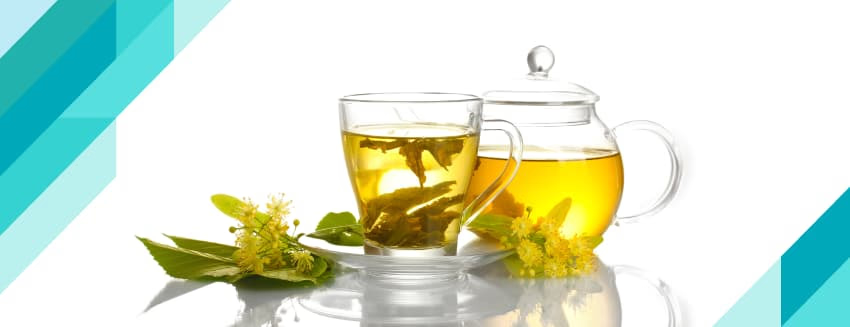
Linden tea, made from the flowers, leaves, and bracts of the Tilia tree (also called lime blossom or basswood), is one of the most popular medicinal teas across Europe and North America, with a history of use stretching back centuries in both traditional European and Native American medicine. Modern phytochemical research has identified the key active compounds responsible for linden’s traditional effects: flavonoids including quercetin and kaempferol, tiliroside, and volatile aromatic compounds that produce sedative and anxiolytic effects. The cardiovascular, anxiety-reducing, and anti-inflammatory properties documented in research have specific relevance for athletes managing training stress, recovery quality, and long-term cardiovascular health.
Cardiovascular Effects
Linden’s cardiovascular effects centre on its flavonoid content, particularly tiliroside and quercetin. Research published in Phytomedicine identified linden flower extracts as producing significant vasodilatory effects through endothelial nitric oxide synthase activation, improving blood vessel dilation and potentially supporting cardiovascular function. Quercetin from linden has well-documented antioxidant activity that reduces LDL oxidation, a key step in atherosclerotic plaque formation. For athletes with cardiovascular health goals alongside performance goals, linden tea provides modest but additive cardiovascular support through these mechanisms. The broader cardiovascular picture for strength athletes, including VO2 max development and its relationship to cardiovascular health, is in our VO2 max training guide.
Sedative and Anxiolytic Properties
Linden’s calming effects are among its most consistently documented traditional uses. Animal studies have confirmed sedative activity from linden extracts, and its use for nervous system calming and sleep support across multiple traditional medicine systems suggests a consistent pharmacological effect. The aromatic volatile compounds in linden flowers, particularly the monoterpene linalool, have anxiolytic activity demonstrated in controlled studies, contributing to the overall calming effect of linden tea aromatherapy and consumption together. A review published in Evidence-Based Complementary and Alternative Medicine summarised the central nervous system effects of Tilia species, finding consistent sedative and anxiolytic activity across multiple preclinical and some clinical studies, supporting the traditional use for anxiety and insomnia. Athletes experiencing pre-competition anxiety or high-stress training periods can use linden tea as part of an evening routine alongside chamomile for combined anxiolytic effect.
Anti-Inflammatory and Antioxidant Activity
Quercetin and kaempferol, the primary flavonoids in linden, are among the most well-researched dietary anti-inflammatory compounds. Both inhibit pro-inflammatory cytokine production, reduce oxidative stress markers, and have demonstrated anti-inflammatory activity in human trials at doses achievable through regular dietary consumption. Research published in Nutrients reviewed quercetin’s anti-inflammatory mechanisms, confirming inhibition of NF-kB pathway activation that drives chronic inflammation. For athletes dealing with training-induced inflammation, the quercetin and kaempferol from regular linden tea consumption provides dietary anti-inflammatory support that complements adequate protein intake, omega-3 consumption, and sleep quality as the primary recovery variables.
Diaphoretic Effects and Immune Support
Linden tea is traditionally used to support the body’s response to upper respiratory infections through its diaphoretic (sweat-inducing) properties. The flavonoids and volatile compounds promote mild perspiration that supports the fever response during illness, and linden’s anti-inflammatory flavonoids may modestly support immune function during training periods when immune suppression is common. Athletes in heavy training phases who experience increased susceptibility to upper respiratory infections may find linden tea useful alongside adequate sleep, caloric intake, and vitamin D as part of a comprehensive immune support strategy.
Frequently Asked Questions
How Does Linden Tea Compare to Chamomile for Sleep?
Both work through different but complementary mechanisms. Chamomile acts primarily through apigenin’s GABA-A receptor binding for direct sedative effect. Linden acts through linalool’s anxiolytic activity and general nervous system calming. Combining both teas in the evening provides additive benefit through these different pathways. Many European herbal sleep blends include both Tilia (linden) and Matricaria (chamomile) specifically for this complementary action. Neither is as potent as pharmaceutical sleep aids, but both improve natural sleep quality without dependency risk. For the broader sleep and recovery context, see our training fatigue and recovery guide.
What Is the Recommended Dose of Linden Tea?
Traditional and clinical use typically employs 1 to 2 teaspoons (2 to 4 grams) of dried linden flowers brewed in 250 mL of hot water for 10 minutes, consumed 1 to 2 times daily. The evening cup provides the most relevant anxiolytic and sleep-supporting benefits. Like chamomile, linden has an excellent safety profile at standard tea doses, with no significant adverse effects documented in healthy individuals at this level of consumption. Long-term daily consumption is considered safe based on centuries of traditional use and the absence of adverse effect reports in clinical literature.
Support Recovery From Every Angle. Train the Body. Calm the Nervous System.
Recovery is multi-dimensional. Quality gear supports the training that demands it.
Shop Lifting Belt Shop Knee SleevesLinden Tea’s Role In Managing Training Stress And Cortisol Load
Linden tea, brewed from the flowers and bracts of Tilia species trees, has been used in European herbal medicine for centuries primarily as a calming and anxiolytic agent. The active compounds responsible for these effects include quercetin, kaempferol, and tiliroside, flavonoid compounds that interact with GABA receptor pathways to produce mild sedative and anxiolytic effects. For athletes who carry high sympathetic nervous system activation from demanding training schedules and competitive pressure, the calming effect of linden tea taken in the evening represents a useful tool for transitioning to the parasympathetic state necessary for deep, restorative sleep.
The connection between linden tea’s pharmacological properties and athletic recovery is direct. High chronic cortisol from accumulated training stress suppresses growth hormone secretion, impairs muscle protein synthesis, and delays the resolution of training-induced inflammation. Anything that reliably reduces the sympathetic activation that drives cortisol elevation during non-training hours contributes to the recovery quality that converts training stress into adaptation. Linden tea’s mild anxiolytic effect is not strong enough to impair cognitive function or produce dependency, which distinguishes it favorably from pharmaceutical sleep aids and even from high-dose melatonin supplements. It is a gentle nudge toward the parasympathetic state rather than a pharmacological override of the nervous system.
Diaphoretic Properties And Their Relevance For Fever And Illness Management
Linden tea has a well-documented diaphoretic action, meaning it promotes sweating and heat dissipation, which is the mechanism behind its traditional use for fever management and cold relief. For athletes who train through minor illness, the diaphoretic effect of linden tea supports the body’s natural fever response rather than suppressing it the way antipyretic medications do. The fever response is an evolved immune mechanism that impairs pathogen replication at elevated temperatures. Allowing a moderate fever to run its course while supporting hydration and comfort through linden tea may resolve minor illnesses more quickly than immediately suppressing the fever response with medication, though obviously athletes with high fevers or severe symptoms should seek medical care rather than relying on herbal interventions.
For general use, two cups of linden tea in the evening, steeped for five to seven minutes with one tablespoon of dried linden flowers per cup, provides a gentle, effective dose of the active flavonoids. The flavor is delicate and floral, widely considered pleasant, which supports consistent daily use. Linden can be combined with other calming herbs including chamomile, passionflower, and lemon balm for a more robust evening relaxation effect, which is how many traditional European herbal formulations use it. Athletes in heavy training blocks who experience chronically poor sleep quality despite adequate bedtime duration are the primary population for whom regular linden tea consumption is most likely to produce noticeable improvements in sleep depth and overall recovery quality.
Certified strength and conditioning specialists with over 10 years of combined experience in powerlifting, nutrition coaching, and evidence-based fitness content. Based in New York City, the Genghis Fitness team tests every protocol in the gym before writing about it.