Genghis Fitness · Equipment and Buying Guides
How to Choose the Right Dip Belt: Chain vs Strap, Padding Quality, Weight Capacity, Sizing, and What Separates Budget from Premium
Updated 2026 | By Team Genghis Fitness | 22 min read
Choosing the right dip belt is a straightforward decision once you know the three or four variables that actually matter versus the marketing features that do not. The most important factors are the attachment system (chain versus strap), the padding quality at the hip contact point, the weight capacity rating, and the sizing fit at your hip circumference. Secondary factors include the carabiner quality, the overall construction durability, and the price-to-quality ratio. This guide breaks down each of these factors honestly, explains what separates a belt worth buying from one that will fail under heavy loads or dig painfully into your hip bones, and helps you make the right decision for your training level and budget.
Chain vs Strap: The Most Important Structural Choice
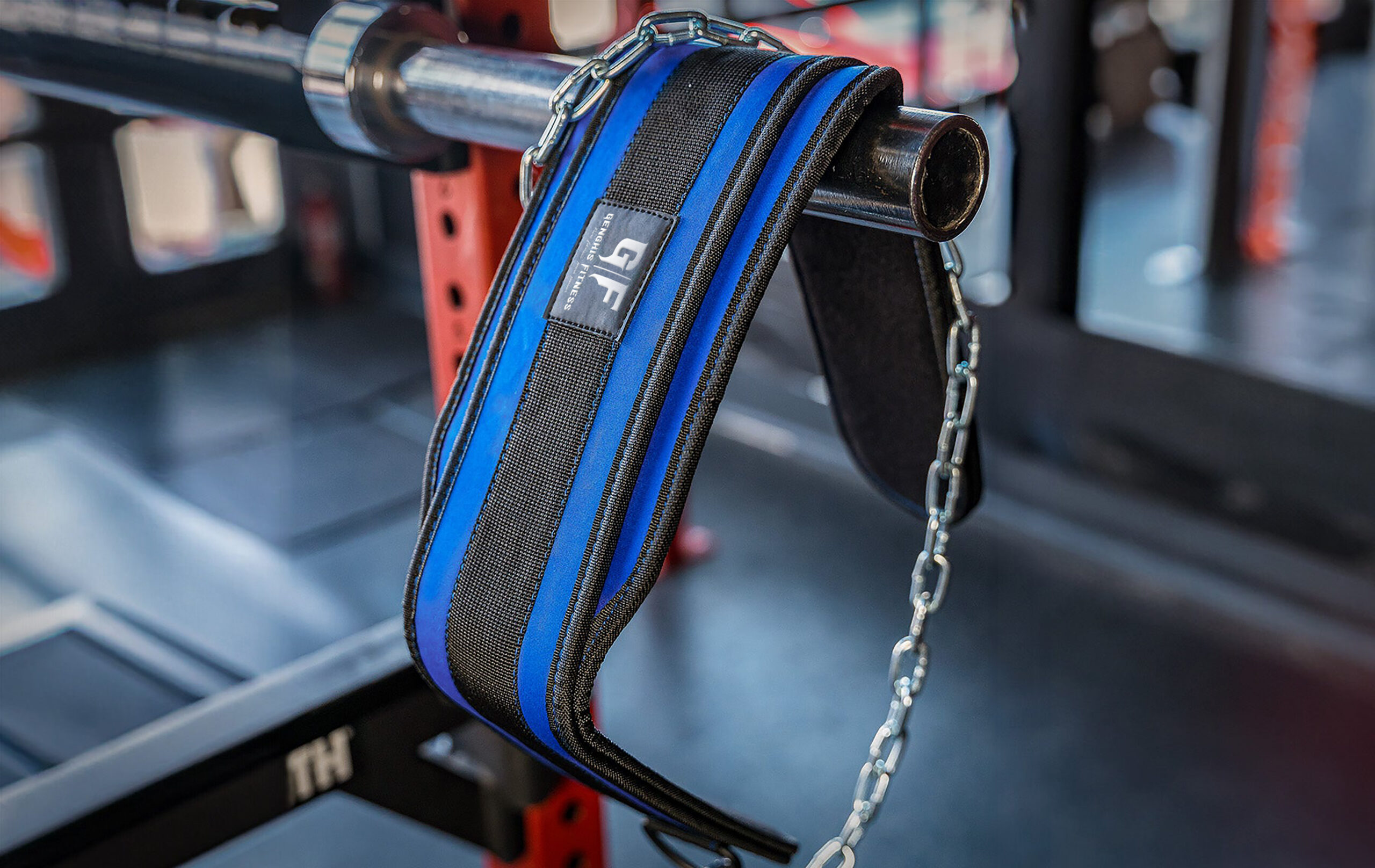
The most fundamental dip belt design choice is the load attachment system: steel chain or nylon strap. Chain-based belts provide several advantages over strap-based designs for serious training. Chains allow precise length adjustment in small increments by moving the carabiner attachment point to different chain links, enabling the weight to hang at exactly the right height regardless of the load configuration. Chains are effectively unbreakable under the loads any human will generate in dip belt exercises, with steel chains rated for thousands of kilograms in the link configurations used in dip belts. Chains do not fray, degrade from oil or chalk contact, or develop micro-tears that cause catastrophic failure under load. The primary disadvantage of chains is weight (a heavy chain adds noticeable dead weight to the belt) and noise (metal chain links clink during exercise). Strap-based belts are lighter, quieter, and typically cheaper, but high-quality nylon straps are functionally adequate for loads up to 100 kg in well-constructed products. Budget strap belts with flimsy buckle connections are a legitimate safety concern at heavy loads, as the connection point rather than the strap material is typically the failure point. The Genghis Fitness dip belt with chain uses a heavy-duty welded steel chain that eliminates the load capacity concern entirely and provides the adjustability advantages of chain design.
Padding: The Difference Between Usable and Unusable
Hip padding quality is the factor most commonly overlooked in dip belt purchase decisions and the one most responsible for customer dissatisfaction with cheap belts. The iliac crest (the bony ridge of the pelvis) bears the entire load of the hanging weight during dip belt exercises, and inadequate padding transforms even moderate loads into a painful, training-limiting experience. The key padding characteristics to evaluate: thickness (minimum 2 to 3 cm of dense foam or neoprene for serious training loads), width (wider padding distributes the load over a larger bone contact area, reducing peak pressure per unit area), material density (soft foam that compresses to nothing under load provides no more protection than no padding; the foam should remain resilient under the full load), and coverage of the hip wrap length (the padding should extend all the way around the hip circumference that contacts the belt, not just the front face). Budget belts typically use thin, low-density foam that compresses completely under 40 to 60 kg, leaving the chain or belt body pressing directly against the iliac crest. Premium belts use dense neoprene or leather-backed foam that remains protective under 100 kg and beyond.
Weight Capacity and Construction Quality
Most commercially available dip belts rate their capacity at 100 to 150 kg, which is sufficient for the majority of athletes. Very advanced athletes who perform weighted dips and pull-ups with 80 to 100 kg attached should look specifically for belts rated at 150 kg or above and should inspect the construction quality of the carabiner and connection points, as these are the failure-prone elements under extreme loads rather than the belt body itself. Carabiner quality is straightforward to evaluate: a solid gate carabiner with a locking mechanism provides significantly more security than an open snap carabiner, particularly as the chain or strap swings during movement. The connection points where the chain or strap meets the belt body should be reinforced with double stitching, riveting, or welded D-rings rather than single-stitch attachment through the belt material. Inspecting these connection points before purchasing or upon receipt allows rejection of substandard products before they are loaded with significant weight.
Sizing: Getting the Fit Right
Dip belts are worn around the hip circumference at the iliac crest, not around the waist. Hip circumference is typically 5 to 15 cm larger than waist circumference. A belt sized for waist measurement will fit too tightly around the hips and restrict movement during exercises. A belt sized too loosely will ride up during exercise, shifting the load contact point from the iliac crest to the abdomen, which is both uncomfortable and biomechanically ineffective. Most dip belt manufacturers specify the hip circumference range their belt accommodates; measure your hip circumference at the iliac crest (the widest point of the bony pelvis, typically a few centimetres below the waistline) to determine the appropriate size. Adjustability via multiple buckle positions or a significant range of strap adjustment provides useful flexibility as body composition changes. The full dip belt comparison including the dip belt with chain versus strap trade-offs is covered in our dip belt comparison guide.
Carabiner Quality and Load Safety Standards
The carabiner is the most critical safety component of a dip belt because it is the connection point between the weight and the belt. Carabiners used in dip belts are typically rated at working load limits of 500 to 2,500 kg, structurally capable of handling any weight an athlete will attach. The relevant differentiation is gate reliability under repeated use: screw-lock carabiners requiring deliberate rotation to open are meaningfully safer during dynamic exercises than simple snap-gate carabiners that can open under lateral impact. Research on carabiner performance in sports equipment contexts published by NIST engineering standards confirms that carabiner failure under load is almost exclusively associated with cross-loaded or accidental gate opening rather than breaking strength exceedance. For dip belt use where the carabiner is loaded in its primary gate-closed direction, quality snap-gate carabiners are functionally safe, but screw-lock gates eliminate any risk from accidental opening during the swinging motion of weighted exercises. When evaluating a purchase, verify that the carabiner gate closes smoothly without catching, the locking mechanism works reliably after multiple cycles, and the attachment geometry allows correct loading orientation rather than forcing a cross-loaded position that reduces the carabiner’s effective load capacity.
Frequently Asked Questions
What Is the Best Dip Belt for Heavy Training?
For heavy training (above 40 kg added weight), a chain-based dip belt with dense neoprene or leather-backed padding, a locking carabiner, and reinforced D-ring connection points is the appropriate choice. At lower weights, a quality strap belt with adequate padding is functionally sufficient. The most important differentiator at heavier loads is padding density, as thin foam becomes functionally useless at 60 to 80 kg and the iliac crest bears the load directly. Testing the padding by pressing it firmly under load conditions before purchase (or checking return policies if buying online) is the best way to evaluate this property. Budget belts under 20 US dollars are almost universally inadequate for serious heavy training due to padding and connection quality limitations.
Do You Need a Special Dip Belt for Pull-Ups vs Dips?
No. The same dip belt is used for both weighted dips and weighted pull-ups without modification. The belt is positioned identically at the hip crease, and the chain is adjusted to the same length for both exercises. The only practical consideration for weighted pull-ups is ensuring the chain length allows the weight to hang freely without contacting the pull-up bar at the top of the movement, which is solved by shortening the chain attachment point by one or two links compared to the dip setup.
Buy Right Once. Train Heavy for Years.
Quality gear that holds as much as you can lift.
Shop Dip Belt Shop Lifting BeltCertified strength and conditioning specialists with over 10 years of experience in powerlifting, nutrition, and evidence-based fitness content. Based in New York City.
ADD WEIGHT. FORCE ADAPTATION.
A dip belt with chain loads weighted dips and pull-ups like no bodyweight session can.
Lifting StrapsRelated guides and comparisons are collected in the weightlifting belt guides, covering all belt materials, thicknesses, closure systems, and sport-specific recommendations in one location.
More accessory guides are in the gym accessories guides, organized by equipment type for fast reference.