How to Use an Arm Blaster: Step-by-Step Setup, Technique, and Programming
The arm blaster is simple equipment with a surprising number of ways to use it incorrectly. Setting it at the wrong height, selecting the wrong weight, rushing through reps, or using it at the wrong point in the workout all reduce its effectiveness to something close to zero. Used correctly, it produces a bicep isolation stimulus that most athletes cannot replicate through willpower and form focus alone.
This guide walks through every practical detail: how to put the arm blaster on, how to set it at the right height, how to select the correct starting weight, how to execute reps with maximum effect, and where it fits in a complete arm training program.
Step 1: Put the Arm Blaster On Correctly
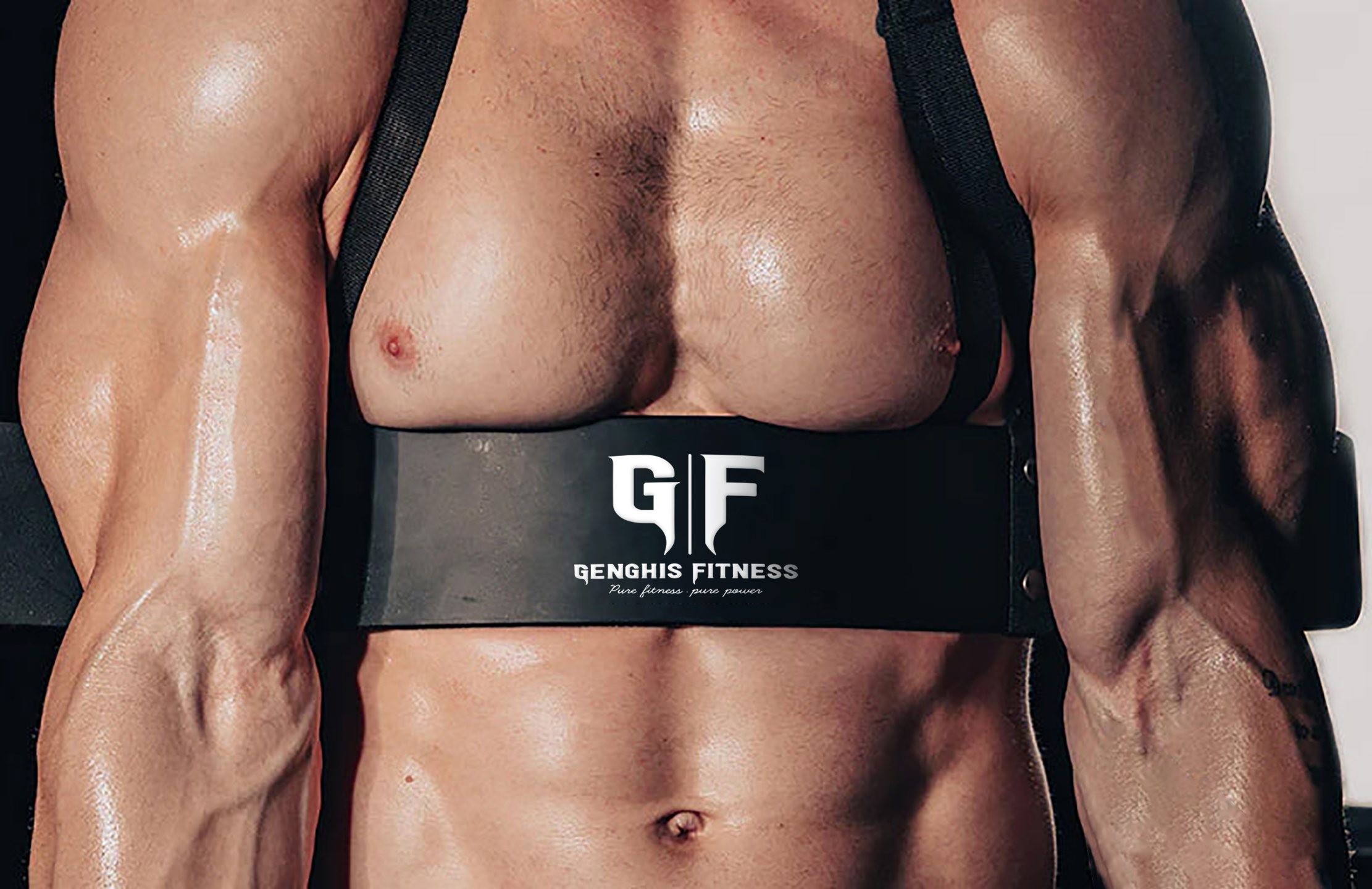
Hang the neck strap over the head so the arm blaster plate rests against the upper abdomen. The center of the plate should sit at approximately solar plexus height for most athletes, though the exact position depends on torso length. The plate needs to be high enough that when the upper arms rest in the side cutouts, the elbows are at or slightly in front of the hips with the forearms hanging naturally downward.
If the plate sits too low, the upper arms will be above the brace cutouts and the arms can still drift during the curl. If it sits too high, the elbows are forced up into an awkward position that reduces the range of motion. Adjust the neck strap length if the blaster has an adjustment point, or test the position by placing both upper arms in the cutouts and checking whether the elbow position feels natural with the forearms pointing downward.
Step 2: Select the Correct Weight
The most common mistake with the arm blaster is loading it with the same weight used for free standing curls. The arm blaster removes all momentum, body swing, and shoulder assistance from the curl. The biceps are doing the entire job on every rep. A load that feels moderate on a standing curl becomes genuinely heavy in the arm blaster.
Start with 60 to 70 percent of the weight you normally use for a set of 10 standing barbell curls. If your standard working weight for barbell curls is 80 pounds, start the arm blaster with 50 to 55 pounds. Complete a full set with a controlled tempo and an honest peak contraction. If the last 3 reps are challenging, the weight is correct. If you complete all reps without significant difficulty, add 5 pounds.
Step 3: Set Up the Starting Position
Stand upright with the torso tall and both upper arms resting in the side brace cutouts. Take the barbell or dumbbells with a shoulder-width supinated grip. The forearms should hang at roughly 45 degrees in the starting position, not fully extended to the point where the elbows hyperextend, and not pre-bent.
Take a light breath and brace the core before the set begins. The arm blaster will press against the abdomen during the curl. A braced core prevents the plate from causing discomfort and keeps the torso stable so the brace functions as intended.
Step 4: Execute Each Rep with Maximum Effect
Curl the bar or dumbbells upward by flexing the elbows only. The upper arms must remain stationary in the brace cutouts throughout. Concentrate on squeezing the bicep to initiate the movement rather than thinking about the hands moving the bar. This internal cue increases bicep recruitment compared to focusing on the bar’s path.
At the top of the movement, the bar should be at roughly chin height. Hold this position for a full one-second count while squeezing the bicep as hard as possible. The peak contraction is the highest-tension point of the rep and where a significant portion of the growth stimulus is concentrated. Do not rush through it.
Lower the bar with control over two to three seconds. The eccentric phase of the curl, lowering the weight, is as important as the concentric phase for muscle development. Research in the NIH research database consistently shows that controlled eccentric loading contributes substantially to hypertrophic adaptation. Do not allow the weight to drop passively.
Return to the starting position with the forearms at 45 degrees and immediately begin the next rep without bouncing at the bottom. The transition at the bottom should be smooth, not a passive stop-and-restart.
Step 5: Choose Your Rep and Set Range
The arm blaster is most effective in the moderate rep range where contraction quality is the training variable. Three to four sets of 8 to 12 repetitions is the standard protocol for bicep mass development. This range is heavy enough to provide meaningful mechanical tension while staying within the rep ceiling where technique typically degrades.
For a hypertrophy-focused arm session, 10 to 12 repetitions with a 2-second concentric, 1-second peak hold, and 3-second eccentric is an effective tempo. This means each rep takes approximately 6 seconds, and a set of 10 reps takes about 60 seconds. Time under tension of 50 to 70 seconds per set is in the range associated with maximum hypertrophic response in isolation exercises.
Step 6: Place It Correctly in Your Arm Session
The arm blaster performs best as a secondary bicep exercise after a heavier free movement. Here is a practical arm session structure that uses the arm blaster effectively:
- Standing barbell curl: 4 sets of 6 to 8 repetitions. Heavy, some body momentum allowed. Builds raw strength.
- Arm blaster strict curl: 3 sets of 10 to 12 repetitions. Moderate weight, no momentum, peak contraction hold. Builds isolation quality.
- Incline dumbbell curl or concentration curl: 2 sets of 12 to 15 repetitions. Finishing pump work at the stretched position.
- Superset with a tricep exercise such as skull crushers or cable pushdowns between the bicep sets to maximize training density.
The Genghis Fitness arm blaster for bicep and triceps handles this entire protocol without any equipment limitation. The aluminum construction is rigid enough to provide consistent bracing across all the sets in the sequence.
Using the Arm Blaster for Single-Arm Dumbbell Curls
Dumbbell curls in the arm blaster allow each arm to work independently and allow wrist supination through the range of motion. To use dumbbells, position one upper arm in the brace cutout while the other arm rests at the side or holds the machine for balance. Curl with the braced arm through the full range, complete all reps on that side, then switch.
The supination cue for dumbbell arm blaster curls: begin the curl with a neutral grip (thumb pointing up), rotate the wrist toward full supination (palm facing up) as the bar rises, and hold the supinated peak contraction at the top. This rotation increases the involvement of the bicep short head and produces a more complete bicep contraction than a fixed supinated grip allows.
Common Questions
Does the Arm Blaster Build More Muscle Than Regular Curls
The arm blaster does not build more muscle than any other correctly executed strict curl. What it does is make strict execution automatic rather than voluntary. Many athletes who believe they are performing strict curls are actually using 10 to 30 percent body swing and shoulder assistance. The arm blaster eliminates this discrepancy and ensures the bicep is doing exactly what the athlete thinks it is doing on every rep.
Should Beginners Use an Arm Blaster
Beginners benefit from the arm blaster’s form enforcement as much as advanced athletes. The arm blaster teaches proper curl mechanics from the beginning of training rather than allowing sloppy habits to become ingrained. Starting with a light weight and focusing on the peak contraction is a sound approach for any experience level.