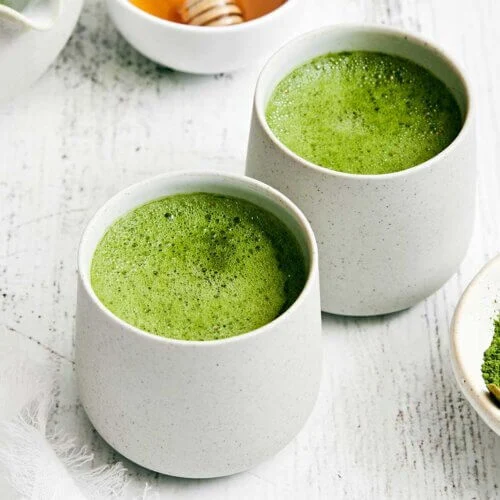
MATCHA TEA: THE COMPLETE GUIDE TO BENEFITS, GRADES, AND HOW TO PREPARE IT CORRECTLY
Matcha is powdered green tea made from shade-grown Camellia sinensis leaves ground to an ultra-fine powder. Unlike steeped green tea where you discard the leaves after brewing, matcha involves consuming the entire leaf in suspension, which means you receive approximately ten times the EGCG concentration, ten times the L-theanine, and ten times the chlorophyll of a standard brewed green tea infusion from the same amount of leaf material. This whole-leaf consumption model makes matcha the most nutritionally dense form of green tea available.
THE SHADE-GROWING PROCESS AND WHY IT MATTERS
Three to four weeks before harvest, matcha tea plants are covered with shade structures that block 70 to 90 percent of sunlight. This shading dramatically changes the leaf’s biochemistry: deprived of full photosynthesis, the plant upregulates chlorophyll production to capture available light, accumulates L-theanine rather than converting it to catechins as sun-exposed plants do, and produces a more tender, amino acid-rich leaf.
The result is a powder with higher L-theanine concentrations than non-shade-grown tea, which is directly responsible for matcha’s distinctive focused-calm energy profile compared to coffee. Studies indexed on PubMed confirm that shade-grown matcha contains significantly higher L-theanine concentrations than conventionally grown green tea, with L-theanine representing 1 to 2 percent of dry leaf weight in high-quality ceremonial grade matcha.
EGCG AND ANTIOXIDANT DENSITY
Epigallocatechin gallate, EGCG, is the primary catechin in green tea responsible for its documented cardiovascular, anti-inflammatory, and cancer-preventive properties. One gram of high-quality matcha contains approximately 70 to 130mg of EGCG, compared to approximately 10 to 15mg in a standard brewed green tea cup from the same leaf weight. This ten-fold difference makes matcha the most efficient single-serving source of EGCG from any food or beverage.
EGCG’s antioxidant mechanism involves both direct free radical scavenging and the activation of the Nrf2 pathway that upregulates endogenous antioxidant enzymes including superoxide dismutase, catalase, and glutathione peroxidase. This enzyme induction produces antioxidant protection that persists beyond EGCG’s own systemic presence, making daily matcha consumption particularly effective for sustained antioxidant status compared to acute antioxidant supplement doses.
COGNITIVE PERFORMANCE: THE L-THEANINE AND CAFFEINE SYNERGY
Matcha provides both L-theanine and caffeine in a preparation where both compounds are consumed from the same whole leaf. Ceremonial grade matcha prepared with one to two grams of powder delivers approximately 35 to 70mg of caffeine alongside 30 to 60mg of L-theanine. This ratio closely matches the combination tested in clinical studies that find L-theanine-caffeine combinations improve focused attention, working memory, and reaction time better than caffeine alone.
For athletes who want pre-training cognitive and physical performance support without the anxiety and jitteriness that coffee produces in some people, matcha provides the stimulant effect through a smoother delivery mechanism. The L-theanine modulates caffeine’s stimulant activity toward calm, focused alertness rather than edgy, anxious arousal. This property makes matcha particularly well-suited to technically demanding training sessions where focus quality matters as much as energy level.
MATCHA GRADES EXPLAINED
CEREMONIAL GRADE
Ceremonial grade matcha is made from the youngest, most tender spring harvest leaves from the topmost bud and first true leaves. These leaves have the highest L-theanine and chlorophyll content and the lowest catechin bitterness. The powder is bright green, ultra-fine, and produces a naturally sweet, umami-rich flavor that requires no sweetener when prepared correctly. This is the grade for drinking as a traditional matcha preparation.
PREMIUM AND CULINARY GRADES
Premium grade matcha uses slightly older leaves from the same spring harvest, with somewhat higher catechin content and a slightly more astringent flavor. It is excellent for daily drinking and produces good quality traditional preparations at a lower cost than ceremonial grade. Culinary grade uses older leaves with higher catechin concentrations, darker green to yellow-green color, and a stronger, more bitter flavor. It is appropriate for mixing into smoothies, yogurt, baked goods, and any preparation where the flavor is moderated by other ingredients.
HOW TO PREPARE MATCHA CORRECTLY
Sift one to two grams of matcha powder through a fine mesh sifter into a bowl or cup to break up clumps before adding water. This step is skipped by most beginners and results in uneven suspension with clumps rather than a smooth emulsion. Add 60 to 80ml of water at 70 to 75 degrees Celsius, never boiling, and whisk vigorously in a W or M motion using a bamboo chasen whisk until a uniform frothy emulsion forms with no undissolved powder remaining.
For a matcha latte, prepare the concentrated matcha shot as above then add steamed or cold milk of your choice. A small amount of matcha combined with hot water first to form a paste before adding the full milk volume produces a more uniform emulsion than adding milk directly to dry powder.
ATHLETIC APPLICATIONS
Pre-training matcha provides EGCG-mediated fat oxidation enhancement during aerobic exercise, caffeine-driven performance stimulation, and the L-theanine modulation that keeps the stimulant effect focused rather than anxious. Post-training matcha delivers EGCG during the recovery window when antioxidant demand is highest and the enzyme induction from Nrf2 activation is most protective against exercise-induced oxidative damage.
For athletes building a complete performance beverage routine, morning matcha before training, mid-morning ginger tea for anti-inflammatory support, and post-training turmeric tea for NF-kB suppression creates a comprehensive daily approach that covers antioxidant, anti-inflammatory, and performance support across the training day. Compare the full green tea category in our complete green tea guide for context on how matcha fits within the broader evidence base.
MATCHA AND METABOLISM
The combination of EGCG and caffeine in matcha produces a synergistic thermogenic effect that exceeds the sum of either compound’s individual contribution. EGCG inhibits catechol-O-methyltransferase, the enzyme that degrades norepinephrine, prolonging its vasodilatory and lipolytic effects. Caffeine increases norepinephrine release and inhibits phosphodiesterase, amplifying the cellular response to norepinephrine. Together, these mechanisms increase resting metabolic rate and fat oxidation more than either compound alone.
A meta-analysis of green tea catechin trials found that the EGCG-caffeine combination produces modest but consistent reductions in body weight and body fat percentage compared to caffeine alone or placebo. The effect sizes are modest in absolute terms, around 0.5 to 1 kilogram additional fat loss over twelve weeks, but the effects are consistent across multiple populations and study designs. For athletes using matcha as part of a comprehensive fat loss approach, this metabolic enhancement from daily matcha consumption is a genuine and evidence-supported contribution.
MATCHA FOR STRESS AND MENTAL WELLBEING
The L-theanine content of matcha is relevant not just for cognitive performance enhancement but for stress management and mental wellbeing in their own right. L-theanine’s ability to increase alpha brain wave activity while maintaining alertness creates a uniquely balanced neurological state that many regular matcha drinkers describe as meditative alertness, simultaneously calm and focused rather than either drowsy or anxious.
For athletes and professionals managing the combined psychological demands of training, competition, and daily life, matcha provides this neurological state consistently and safely without the dependency or withdrawal effects associated with pharmaceutical anxiolytics or the tolerance buildup that reduces caffeine’s effectiveness over time. A daily matcha preparation ritual that incorporates the mindful preparation process as a brief intentional practice enhances both the psychological benefits from the preparation moment and the neurological benefits from the consumed compounds.
FINAL WORDS
Matcha is the most nutritionally dense and clinically supported form of green tea, delivering ten times the EGCG per gram compared to brewed green tea and providing the L-theanine-caffeine synergy that makes it the best cognitive performance beverage in the tea category. Ceremonial grade for daily drinking, culinary grade for cooking and smoothies. One to two grams daily covers the dose associated with positive clinical outcomes. Prepare it correctly with a sifter, appropriate water temperature, and a proper whisk, and the quality difference from commercial coffee shop versions becomes immediately apparent. Matcha is worth the small investment in technique and equipment that makes every preparation an excellent one.
Certified strength and conditioning specialists with over 10 years of combined experience in powerlifting, nutrition coaching, and evidence-based fitness content. Based in New York City, the Genghis Fitness team tests every protocol in the gym before writing about it.