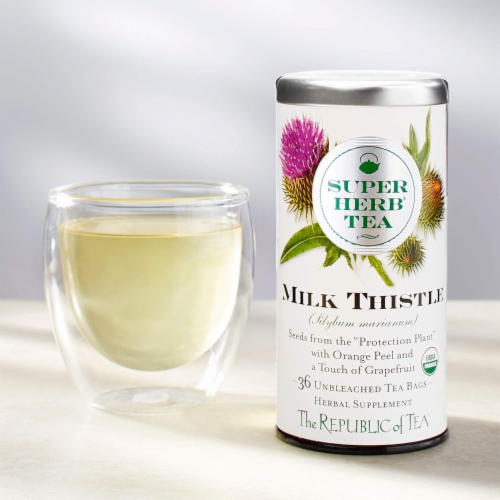
MILK THISTLE TEA: THE LIVER HERB WITH THE MOST SOLID EVIDENCE IN HERBAL MEDICINE
Milk thistle, Silybum marianum, has been used medicinally for liver conditions for over 2,000 years. What distinguishes it from many other long-used medicinal plants is that the primary active compound, silymarin, has been studied in dozens of controlled clinical trials for liver protection, liver disease treatment, and hepatic function support. The evidence base for silymarin’s liver effects is among the strongest of any herbal compound in the pharmacological literature, and milk thistle tea provides access to this compound in a form that has been used safely across cultures for centuries.
SILYMARIN: THE COMPOUND THAT MAKES MILK THISTLE WORK
Silymarin is not a single compound but a complex of flavonolignans extracted from milk thistle seeds. The primary components are silybin A and B, silychristin, silydianin, and isosilybin. Silybin is the most pharmacologically active fraction and the most extensively studied individually. Together these compounds act as potent antioxidants in liver tissue, inhibitors of hepatotoxin uptake into liver cells, and stimulators of liver cell regeneration through ribosomal RNA synthesis.
Studies indexed on PubMed confirm silymarin’s systemic bioavailability from oral consumption and document its accumulation in liver tissue at concentrations higher than plasma levels, reflecting the liver-specific tropism that explains its selective hepatoprotective effects. Milk thistle tea prepared from the whole crushed seed provides silymarin alongside the fiber and other compounds of the whole seed that may enhance absorption compared to water alone.
LIVER PROTECTION: THE BEST-EVIDENCED APPLICATION
Silymarin protects liver cells from damage through multiple mechanisms: it inhibits the binding of hepatotoxins including alcohol metabolites, certain drug metabolites, and the Amanita phalloides death cap mushroom poison to hepatocyte membranes. It scavenges the reactive oxygen species generated during hepatic metabolism of these substances. It reduces the inflammatory response within the liver. And it stimulates the synthesis of new liver cells by activating ribosomal RNA production.
Clinical trials have found silymarin beneficial for alcoholic liver disease, non-alcoholic fatty liver disease, viral hepatitis, and drug-induced liver injury. A Cochrane review concluded that silymarin reduces liver-related mortality and improves liver enzyme markers in patients with liver disease, though it noted limitations in study quality. For context on how herbal teas more broadly support liver function, compare with our guides on burdock root tea and dandelion tea which cover complementary bile-stimulating and prebiotic mechanisms.
ANTI-INFLAMMATORY AND ANTIOXIDANT ACTIVITY
Beyond the liver-specific applications, silymarin demonstrates broad anti-inflammatory activity through inhibition of NF-kB activation, reduction of TNF-alpha and IL-6 production, and direct antioxidant capacity that has been measured in multiple standardized assays confirming very high antioxidant potency relative to other plant extracts.
For athletes managing chronic training-related inflammation, milk thistle tea contributes to the broader anti-inflammatory dietary environment. The liver-specific antioxidant protection is additionally relevant for athletes who use pain medications, protein supplements, or other compounds that create hepatic metabolic burden through the cytochrome P450 processing pathway.
BLOOD SUGAR AND METABOLIC EFFECTS
Several studies have found silymarin beneficial for blood sugar management in people with type 2 diabetes. A meta-analysis found silymarin supplementation significantly reduced fasting blood glucose and HbA1c compared to placebo. The mechanisms include improved insulin sensitivity, direct stimulation of glucose transporter expression, and anti-inflammatory protection of pancreatic beta cell function.
For athletes focused on insulin sensitivity and body composition, milk thistle tea provides these metabolic benefits alongside the liver support that makes it relevant for anyone managing nutritional supplements or performance aids that require hepatic processing. Combining milk thistle tea with moringa tea covers blood sugar management and liver support from two different mechanisms in the same daily routine.
HORMONAL EFFECTS AND ADDITIONAL APPLICATIONS
Silymarin has mild estrogenic activity attributed to its flavonolignan structure. This property is the basis for research interest in milk thistle for menopausal symptom management and certain hormone-related conditions. The estrogenic activity is weak and unlikely to produce meaningful hormonal effects at typical tea consumption levels, but it is relevant for women with estrogen-sensitive conditions to be aware of.
Milk thistle has also been studied for neuroprotective effects in animal models and for its potential role in managing the inflammatory component of neurodegenerative diseases. The neuroprotective mechanisms are consistent with the general anti-inflammatory and antioxidant profile but have not yet been confirmed in human clinical trials at the liver protection level of evidence.
HOW TO PREPARE MILK THISTLE TEA
Milk thistle tea is most effectively prepared from crushed or lightly ground seeds rather than whole seeds, as crushing breaks the seed coat and releases more silymarin into the water. Use one to two teaspoons of crushed milk thistle seeds per cup of water. Simmer for 15 to 20 minutes rather than simply steeping, as silymarin extracts better with sustained heat. Strain carefully through a fine mesh and drink.
The flavor is mild, slightly bitter, and nutty. Adding honey and lemon improves palatability. Milk thistle tea bags using seed powder are more convenient and widely available in health food stores across the US and Europe. Two cups daily is the consumption level associated with positive outcomes in the clinical literature. Milk thistle is exceptionally well-tolerated with very few reported adverse effects at normal dietary consumption levels.
WHO BENEFITS MOST
Athletes who use pharmaceutical pain medications regularly, individuals with elevated liver enzyme markers, people managing the metabolic effects of weight loss who may have mobilized stored toxins, and anyone who consumes alcohol regularly benefit most from milk thistle tea’s hepatoprotective and metabolic applications. General health maintenance is a valid application for anyone interested in proactive liver support as part of a comprehensive wellness approach.
For a complete picture of how different herbal teas address different aspects of metabolic and detoxification health, explore our broader herbal tea health benefits guide alongside the specific tea guides most relevant to your individual health priorities.
SILYMARIN ABSORPTION AND THE CASE FOR WHOLE SEED PREPARATIONS
Silymarin’s oral bioavailability is limited by its poor water solubility, a challenge similar to curcumin from turmeric. The whole seed preparation of milk thistle tea, using crushed seeds simmered for twenty minutes with a small addition of fat like a drop of olive oil or a splash of milk, improves silymarin extraction and absorption compared to simple steeping of seed powder in plain hot water. Phytosomes, silymarin bound to phosphatidylcholine, represent the highest bioavailability pharmaceutical preparation, but whole seed tea with fat enhancement provides a meaningful improvement over the standard preparation without additional processing.
The long simmering preparation traditional in many European herbal medicine traditions, where milk thistle seeds were simmered in wine or milk rather than plain water, reflects intuitive understanding of the fat and alcohol-enhanced extraction that modern research has confirmed. Using the traditional preparation method of simmering in liquid that contains some fat or using milk as the liquid base rather than plain water produces a more bioavailable silymarin preparation that better reflects the therapeutic preparations studied in clinical trials. This is worth knowing for anyone preparing milk thistle tea specifically for the hepatoprotective application rather than for general wellness maintenance.
Milk thistle tea has an additional application that is particularly relevant for anyone in the competitive fitness space: managing the hepatic metabolic burden from performance supplements and protein products consumed at high volumes. High protein intake processed through amino acid catabolism, creatine supplementation, and various ergogenic aids all require hepatic processing that generates reactive oxygen species and oxidative stress in liver tissue. Regular milk thistle consumption provides silymarin’s antioxidant protection to liver cells as they perform this processing function, reducing the cumulative oxidative damage from high supplementation loads over training seasons. This is a proactive liver maintenance application rather than a treatment for liver disease, and it is directly relevant to the reality of serious athletic nutrition practice.
Certified strength and conditioning specialists with over 10 years of combined experience in powerlifting, nutrition coaching, and evidence-based fitness content. Based in New York City, the Genghis Fitness team tests every protocol in the gym before writing about it.