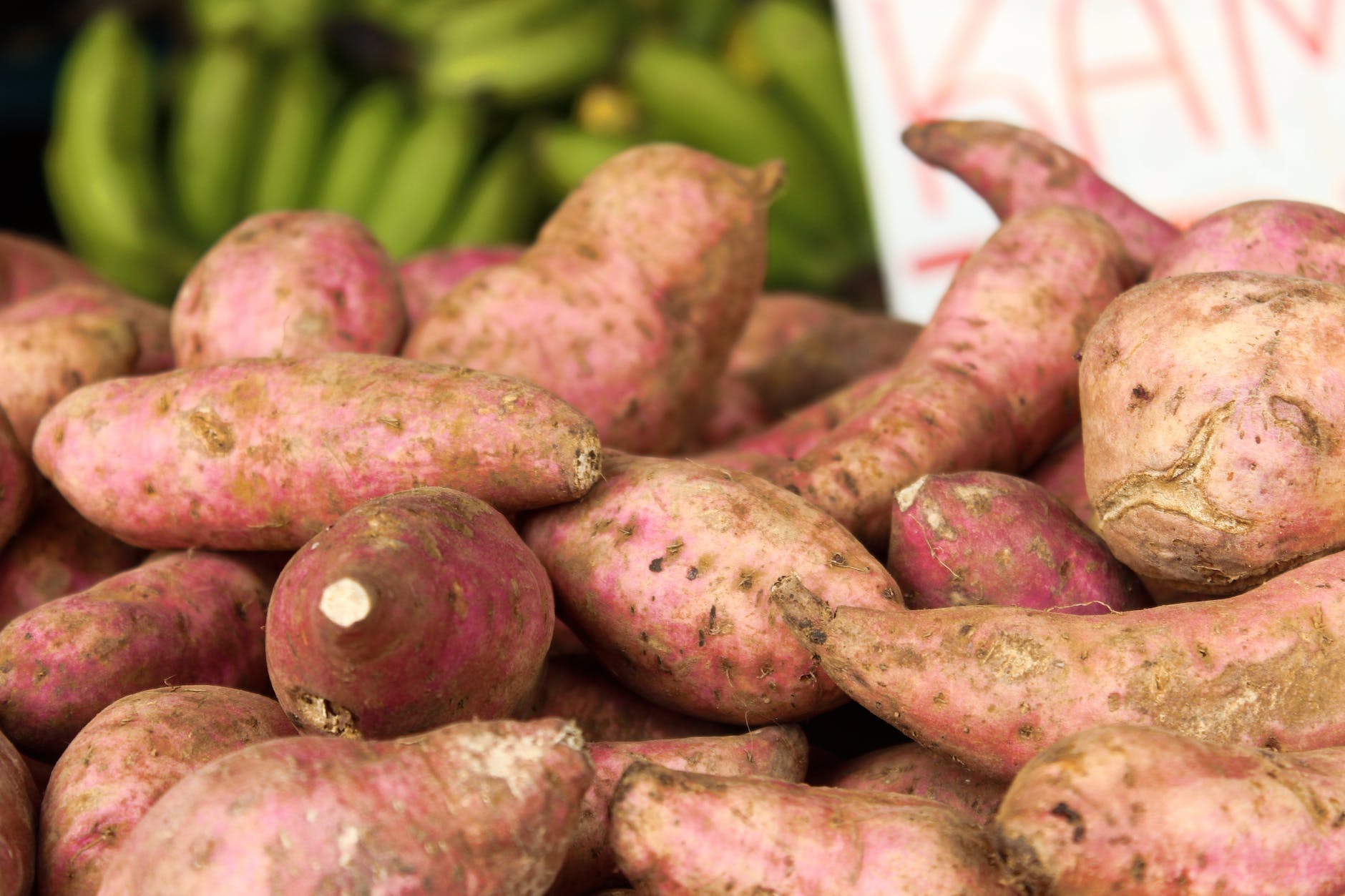
SWEET POTATO NUTRITION: 5 WAYS THIS ROOT VEGETABLE POWERS ATHLETIC PERFORMANCE
The sweet potato is one of the most complete carbohydrate sources available to athletes. It delivers sustained energy, a micronutrient profile that rivals any vegetable, a glycemic response that fuels training without spiking and crashing blood sugar, and a versatility in the kitchen that makes it a practical everyday food rather than an occasional health gesture. Athletes in the US and across Europe have relied on sweet potatoes as a training staple for generations, and the nutritional science confirms exactly why that tradition is well-founded.
THE COMPLETE NUTRITIONAL PROFILE OF SWEET POTATOES
A 100-gram serving of baked sweet potato with skin delivers approximately 90 calories, 20.7 grams of carbohydrates (with 3.3 grams of dietary fiber and 6.5 grams of natural sugars), 2 grams of protein, 0.1 grams of fat, 475 milligrams of potassium, 961 micrograms of beta-carotene (which converts to vitamin A), 2.4 milligrams of vitamin C, and significant amounts of vitamin B6, manganese, and magnesium. These figures come from the USDA FoodData Central database and represent the gold standard nutritional reference for whole food composition.
What makes this profile exceptional is the combination of sustained carbohydrate energy, potassium for electrolyte balance, beta-carotene for antioxidant protection, and fiber for gut health delivered in a single affordable, widely available food. Few individual foods check as many performance nutrition boxes simultaneously.
5 WAYS SWEET POTATO NUTRITION POWERS YOUR TRAINING
1. SUSTAINED GLYCOGEN FUELING WITHOUT BLOOD SUGAR CRASHES
Sweet potatoes have a moderate glycemic index of roughly 54 to 70 depending on cooking method, significantly lower than white potatoes (GI 78 to 111) and white rice (GI 64 to 72). The fiber content slows glucose absorption into the bloodstream, delivering carbohydrate energy in a steadier stream rather than a rapid spike followed by an equally rapid crash. For athletes doing longer training sessions, two-a-days, or anyone who needs sustained mental and physical energy through a demanding day, this glycemic profile means sweet potatoes fuel your work without the mid-session energy drop that simpler carbohydrate sources often produce. Eating a medium sweet potato one to two hours before training is a proven, practical pre-workout nutrition strategy.
2. POTASSIUM FOR MUSCLE CONTRACTION AND CRAMPING PREVENTION
At 475 milligrams of potassium per 100-gram serving, sweet potatoes outperform bananas (358 milligrams per 100 grams) as a potassium source, which surprises most people. Potassium is the primary electrolyte inside muscle cells and is essential for the sodium-potassium pump that drives electrical signaling in nerve and muscle tissue. Depletion of potassium through sweat during intense training is a primary contributor to muscle cramping and impaired force production. Consistent dietary potassium from foods like sweet potatoes and leafy greens reduces cramping incidence and supports optimal muscle contractile function throughout training sessions and recovery periods.
3. BETA-CAROTENE AND ANTIOXIDANT PROTECTION FROM TRAINING STRESS
The orange color of sweet potato flesh comes from beta-carotene, a fat-soluble antioxidant that the body converts to vitamin A on demand. A single 100-gram serving provides nearly the full daily recommended intake of vitamin A equivalent. Beta-carotene is a powerful free-radical scavenger that protects cell membranes from oxidative damage generated during intense exercise. Research on antioxidant nutrients and exercise recovery consistently shows that dietary antioxidants from whole food sources provide protective benefits that isolated supplement forms do not fully replicate, likely due to the synergistic interaction between carotenoids and other phytocompounds present in the whole food matrix.
Eating sweet potato with a small amount of fat, such as a drizzle of olive oil or a pat of butter, significantly improves beta-carotene absorption because it is fat-soluble. This is a practical pairing that maximizes the nutritional return from every serving. Athletes protecting their joints with gear like neoprene knee sleeves and supporting their training with a quality lever belt get additional systemic joint protection benefit from consistent antioxidant nutrition alongside their mechanical support tools.
4. VITAMIN B6 AND ENERGY METABOLISM SUPPORT
Vitamin B6 is required for the metabolism of amino acids, the synthesis of neurotransmitters, and the production of hemoglobin. For athletes eating high-protein diets to support muscle repair and growth, adequate B6 is essential for processing that protein efficiently. Sweet potatoes provide a meaningful dose of B6 per serving, roughly 15 to 20 percent of the daily recommended intake, which contributes to the B vitamin sufficiency that keeps energy production pathways running optimally across a heavy training week.
5. GUT HEALTH AND MICROBIOME SUPPORT
The 3.3 grams of dietary fiber in a 100-gram serving of sweet potato includes both soluble and insoluble fiber types. The soluble fiber fraction acts as a prebiotic, feeding beneficial gut bacteria that produce short-chain fatty acids important for gut lining integrity and immune function. The insoluble fiber supports regular bowel motility, which is relevant for athletes eating large food volumes to support training. Research on dietary fiber and microbiome health consistently links higher fiber intake from whole food sources with greater gut microbiome diversity, which correlates with better immune function and lower systemic inflammation. For athletes who train hard and stress their immune systems regularly, gut health is a meaningful performance variable.
THE BEST WAYS TO PREPARE SWEET POTATOES FOR ATHLETES
BAKING: MAXIMUM NUTRIENT RETENTION
Baking sweet potatoes whole at 400 degrees Fahrenheit for 45 to 60 minutes (depending on size) retains the most nutrients of any cooking method because the skin acts as a protective barrier. Eating the skin adds additional fiber and a meaningful portion of the total potassium content. Baked sweet potatoes can be prepped in large batches and refrigerated for four to five days, making them one of the most practical bulk-cooking options for busy athletes.
STEAMING: FASTEST AND CLEANEST
Steamed sweet potato cubes cook in 10 to 15 minutes and retain the majority of water-soluble vitamins that boiling loses to the cooking water. Steamed sweet potato is easy to mash, add to smoothies, or use as a base for grain bowls. It is the fastest whole-food carbohydrate preparation available that does not require any fat or additional ingredients.
ROASTING: THE FLAVOR UPGRADE
Cutting sweet potatoes into cubes, tossing with olive oil, salt, and garlic, and roasting at 425 degrees Fahrenheit for 25 to 30 minutes produces a caramelized, high-flavor result that makes consistent eating far more enjoyable. The olive oil addition also maximizes beta-carotene absorption. This preparation pairs with essentially any protein source and works as a pre-training or post-training carbohydrate alongside a focused training session using quality accessories.
HOW MUCH SWEET POTATO DO ATHLETES ACTUALLY NEED
For general training support, one medium sweet potato (approximately 150 to 200 grams) provides 30 to 40 grams of carbohydrate, which is appropriate for a pre-training meal component or a primary post-training carbohydrate source paired with protein. Higher-volume athletes training twice daily or doing sustained endurance work alongside strength training may benefit from larger portions or multiple servings across the day. The fiber and micronutrient content scales linearly with serving size, so larger servings deliver proportionally greater nutritional benefit without the concerns about empty calories that come with processed carbohydrate choices.
FINAL WORDS
Sweet potatoes are not health food marketing. They are one of the most nutritionally dense, practically versatile, and genuinely useful foods an athlete can eat consistently. Sustained carbohydrate energy without blood sugar crashes. Superior potassium content for electrolyte balance and cramping prevention. Exceptional beta-carotene for antioxidant protection. Meaningful B6 and fiber for metabolism and gut health. All of it at a cost that is a fraction of any packaged sports nutrition product. Buy a bag of sweet potatoes every week. Cook a batch on Sunday. Eat them before training, after training, and at any meal where you need clean carbohydrate energy. Pair that habit with consistent hard training, proper support gear, and adequate protein, and you have a nutrition foundation that supports serious results.
Certified strength and conditioning specialists with over 10 years of experience in powerlifting, nutrition, and evidence-based fitness content. Based in New York City.