Genghis Fitness · Nutrition and Fat Loss
Oatmeal Diet: Beta-Glucan Satiety Research, Cholesterol Evidence, Glycaemic Benefits for Athletes, and Whether Oatmeal-Based Diets Work for Fat Loss
Updated 2026 | By Team Genghis Fitness | 22 min read
The oatmeal diet refers to various eating patterns that centre oatmeal as the primary or dominant carbohydrate source, ranging from short-term oatmeal cleanses (eating only oatmeal for 3 to 7 days) to more sustainable dietary approaches that incorporate oatmeal as the daily breakfast and snack foundation alongside other whole foods. The short-term cleanse version is nutritionally incomplete and not recommended. The longer-term oatmeal-centred approach has genuine nutritional merit: oats are among the most research-validated single foods for cardiovascular health, satiety, blood glucose regulation, and gut health, making them a practical anchor food for athletes building a high-performance dietary foundation. Understanding what the research actually shows about oatmeal’s specific health benefits, separated from the hype of fad cleanse versions, provides the rational basis for making oatmeal a dietary staple.
Beta-Glucan: The Most Researched Component
Oats’ primary bioactive component is beta-glucan, a soluble fibre that forms a viscous gel in the gut and produces multiple documented health effects. Beta-glucan is responsible for oats’ FDA-approved health claim for cholesterol reduction and cardiovascular disease risk reduction, one of very few such claims in the food supply supported by the required level of clinical evidence. A meta-analysis published in the American Journal of Clinical Nutrition examined 28 randomised controlled trials of oat beta-glucan and found that consumption of 3 grams of beta-glucan daily (approximately 1.5 cups of cooked oatmeal) significantly reduced total cholesterol by 11.6 mg/dL and LDL cholesterol by 9.6 mg/dL, confirming the cholesterol-lowering effect at doses achievable from regular dietary consumption. The mechanism involves beta-glucan binding to bile acids in the intestine and preventing their reabsorption, forcing the liver to use circulating LDL cholesterol to synthesise new bile acids, effectively pulling LDL out of circulation.
Satiety and Weight Management Evidence
Oatmeal is one of the highest-scoring foods on the Satiety Index, a measure of how much satiety per calorie a food provides compared to white bread as a reference. Research by Susanna Holt published in the European Journal of Clinical Nutrition found that oatmeal scored 209 on the satiety index (white bread = 100), meaning oatmeal provided more than twice the satiety per calorie of white bread and substantially more than many other breakfast foods including eggs, cheese, and breakfast cereals. The satiety mechanism involves beta-glucan’s viscosity slowing gastric emptying and nutrient absorption, extending the duration of post-meal fullness, and reducing ghrelin (hunger hormone) levels for longer after the meal compared to rapidly digested carbohydrates. For athletes in fat loss phases managing persistent hunger during a caloric deficit, oatmeal as the primary breakfast carbohydrate is one of the most practical hunger management tools available at minimal cost.
Blood Glucose Regulation and Athlete Applications
Oats have a low to moderate glycaemic index (approximately 55 for rolled oats, lower for steel-cut oats) and, more importantly, a low glycaemic load due to their high fibre and water content when cooked. The beta-glucan gel slows starch digestion and glucose absorption, producing a moderate, sustained blood glucose rise compared to the rapid spike and crash associated with more refined carbohydrates. For athletes, this blood glucose profile has two relevant applications: oatmeal consumed 2 to 3 hours before training provides sustained fuel availability throughout the session without a blood glucose crash during exercise, and regular oatmeal consumption has been shown to improve insulin sensitivity over time, enhancing the body’s ability to replenish muscle glycogen efficiently after training. Research published in the Journal of Nutrition found that 6 weeks of oat beta-glucan supplementation significantly improved insulin sensitivity in overweight adults, confirming the blood glucose benefits extend beyond acute glycaemic index effects to chronic metabolic improvement.
The Oatmeal Cleanse Version: Why It Fails
The short-term oatmeal-only cleanse (3 to 7 days of eating primarily oatmeal) produces rapid weight loss that is almost entirely water and glycogen depletion from the severe caloric restriction it creates, not fat loss. Oatmeal alone provides inadequate protein (approximately 5 grams per cup cooked), inadequate fat, and inadequate micronutrient diversity to support athletic function. Athletes attempting an oatmeal cleanse while continuing to train will experience significant performance degradation from the protein deficit (which accelerates muscle protein breakdown) and caloric restriction that depletes glycogen stores rapidly. The cleanse version is the dietary equivalent of a quick fix with no sustainable benefit and meaningful short-term harm to training capacity. The complete athlete approach to fat loss without performance compromise is in our evidence-based fat loss guide.
How to Build a High-Performance Oatmeal Meal
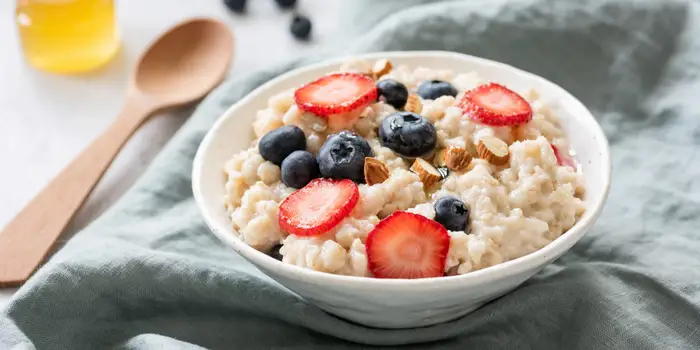
Plain oatmeal on its own is an excellent carbohydrate source but a modest protein source at approximately 5 to 6 grams per cup cooked. For athletes, the key to making oatmeal a training-supportive meal rather than just a carbohydrate source is building it into a complete performance food with additional protein and fat. The most effective approach: use 1 cup of rolled oats as the base (approximately 30 grams of carbohydrate, 5 grams of protein, 5 grams of fibre), add one scoop of protein powder or 1 cup of Greek yoghurt (additional 20 to 25 grams of protein), mix in 1 to 2 tablespoons of nut butter (8 to 16 grams of fat and additional protein from the nut source), top with berries (anthocyanins for antioxidant recovery support and natural sweetness without added sugar), and optionally add cacao nibs for flavanol content and theobromine. This combination provides approximately 50 to 55 grams of protein, 45 grams of carbohydrate, 15 to 20 grams of fat, 8 to 10 grams of fibre, and a comprehensive micronutrient and antioxidant profile that supports both training fuel and recovery. This is the difference between oatmeal as a diet food and oatmeal as a performance meal, and it is the approach that makes oatmeal-centred diets work for athletes rather than simply for sedentary weight management.
Frequently Asked Questions
Which Type of Oats Is Best?
Steel-cut oats have the lowest glycaemic index (approximately 42) because the minimal processing preserves more of the fibrous oat groat structure, producing the slowest starch digestion rate. Rolled oats (old-fashioned oats) are moderately processed (steamed and rolled flat), with a glycaemic index of approximately 55 and approximately 5 minutes of cooking time. Instant oats are pre-cooked and dried, with a higher glycaemic index (approximately 72) and less beta-glucan viscosity because of their finer texture. For maximum health benefits and satiety, steel-cut or rolled oats are preferred over instant oats. The difference in glycaemic index between steel-cut and rolled oats is modest compared to the difference between either and instant oats, and either is an acceptable daily choice when preparation time is a consideration.
Can Oatmeal Help with Post-Workout Recovery?
Yes. Oatmeal consumed within 30 to 60 minutes after training provides the complex carbohydrate source needed to restore muscle glycogen alongside the protein source (typically protein powder, Greek yoghurt, or eggs) that drives muscle protein synthesis. The moderate glycaemic index of rolled oats provides sustained glycogen replenishment over 1 to 2 hours, complementing a faster-digesting carbohydrate source (banana, honey, or rice) if more immediate glycogen restoration is needed for back-to-back training sessions. The gut-friendly, easily digested nature of oatmeal makes it particularly suitable for post-training recovery meals for athletes with exercise-induced gastrointestinal sensitivity.
Start Every Day Right. Build on a Solid Foundation.
The most research-backed breakfast food and the most reliable training gear.
Shop Lifting Belt Shop Lifting StrapsCertified strength and conditioning specialists with over 10 years of combined experience in powerlifting, nutrition coaching, and evidence-based fitness content. Based in New York City, the Genghis Fitness team tests every protocol in the gym before writing about it.