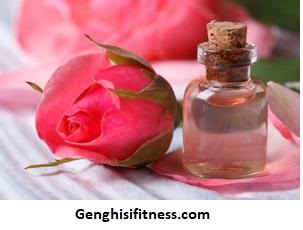
ROSE WATER BENEFITS: SKIN, MOOD, AND CULINARY USES BACKED BY SCIENCE
Rose water, the hydrosol produced by steam distillation of rose petals, has been used in beauty, cooking, and medicine across the Middle East, South Asia, and Mediterranean regions for thousands of years. It is one of the few traditional beauty preparations that has survived largely intact into modern skincare, culinary arts, and wellness culture, and for good reason. The bioactive compounds in rose water produce documented effects on skin health, mood, and inflammation that justify its enduring popularity.
WHAT ROSE WATER CONTAINS
Rose water from Rosa damascena contains 2-phenylethanol as its most abundant compound, typically 60 to 75 percent of the volatile fraction, alongside geraniol, citronellol, nerol, and linalool. These aromatic compounds are responsible for rose water’s characteristic fragrance and much of its biological activity.
Beyond the volatile compounds, rose water retains flavonoids including quercetin and kaempferol from the original petals, along with tannins that contribute astringent and antimicrobial properties. Studies indexed on PubMed confirm measurable concentrations of these bioactive compounds in properly produced rose water and their activity in both topical and oral applications.
SKIN HEALTH: THE PRIMARY APPLICATION
Rose water’s skin benefits operate through four complementary mechanisms. The phenylethanol and geraniol components have antimicrobial activity against Propionibacterium acnes, the bacterium driving inflammatory acne. The quercetin and kaempferol flavonoids provide anti-inflammatory effects that reduce redness and skin reactivity. The gentle astringency from tannins tightens pores and reduces excess sebum. And the natural pH of rose water at approximately 5.5 matches skin’s optimal pH range, supporting the acid mantle that protects against irritation and infection.
A clinical study found that rose water reduced skin pH and improved skin hydration compared to water, with participants reporting reduced irritation and improved comfort. For athletes with acne from sweat, friction, and hormonal fluctuations, rose water as a post-training toner provides antimicrobial, anti-inflammatory, and pH-balancing benefits that address multiple acne triggers simultaneously.
ANTI-INFLAMMATORY EFFECTS
Topical application of rose water reduces inflammatory markers in skin tissue through the flavonoid-mediated NF-kB inhibition mechanism documented for quercetin and kaempferol. This anti-inflammatory activity is relevant for managing rosacea, eczema, and general skin sensitivity alongside the acne application.
The anti-inflammatory compounds in rose water also work when consumed orally, placing rose water as a food ingredient rather than just a topical product. Add a tablespoon to rose tea for a concentrated anti-inflammatory and antioxidant preparation that delivers the phenolic compounds both systemically through digestion and topically to the mucous membranes of the mouth and throat during consumption.
MOOD AND ANXIETY EFFECTS
The aromatic compounds of rose water, particularly 2-phenylethanol and linalool, interact with olfactory receptors connected to the limbic system. Multiple controlled studies find that rose aroma significantly reduces anxiety, heart rate, and blood pressure, and improves mood scores compared to non-aromatic control conditions.
For athletes managing pre-competition anxiety or stress-driven skin flare-ups, the dual action of rose water addressing both the skin inflammation and the psychological stress driver through the same preparation makes it a uniquely multi-functional beauty and wellness tool. Compare with the oral anxiolytic teas in our anxiety tea guide for complementary approaches that address the same HPA axis stress from different angles.
ANTIMICROBIAL PROPERTIES
Laboratory studies confirm rose water’s antimicrobial activity against Staphylococcus aureus, E. coli, and Candida albicans alongside the acne-relevant Propionibacterium acnes. Phenylethanol and geraniol both contribute membrane-disrupting antimicrobial mechanisms.
As a topical spray after training, rose water provides immediate antimicrobial protection to sweat-exposed skin that reduces bacterial overgrowth responsible for body odor and folliculitis, a common training-related skin condition caused by friction and bacterial proliferation in hair follicles. It is far gentler than alcohol-based products while providing meaningful antimicrobial activity that is sufficient for skin hygiene maintenance between showers.
CULINARY AND DIGESTIVE USES
Rose water is a traditional flavoring ingredient in Middle Eastern, South Asian, and Persian cooking, used in desserts, drinks, and rice preparations. Beyond flavor, the volatile compounds consumed orally have carminative properties that reduce gas and bloating. A tablespoon of rose water in warm water after a meal provides a pleasant digestive beverage with anti-inflammatory and mild carminative effects.
Rose water in baking, particularly paired with cardamom, saffron, or pistachio in traditional recipes, creates complex flavor profiles that connect culinary heritage with the functional properties the ingredient provides. Incorporating rose water into the diet through traditional culinary applications is a culturally rich way to access its bioactive benefits alongside their flavor contribution.
HOW TO USE ROSE WATER
As a toner: apply to cleansed skin with a cotton pad or spritz directly from a spray bottle morning and evening. As a face mist during the day: spray over makeup or bare skin for refreshing hydration and anti-inflammatory relief. As an eye compress: soak cotton pads in refrigerated rose water and apply to closed eyes for five minutes to reduce puffiness and irritation.
For culinary use, add one tablespoon to smoothies, yogurt, oatmeal, or baked goods for fragrant flavoring and bioactive contribution. Purchase food-grade rose water rather than cosmetic-grade for any oral application, as cosmetic products may contain preservatives and additives not intended for consumption.
DIY ROSE WATER: MAKING YOUR OWN AT HOME
Making rose water at home provides a fresher, more concentrated product than many commercial preparations and ensures no preservatives, synthetic fragrances, or alcohol are present. The simplest method is simmering two cups of fresh organic rose petals in four cups of distilled water on low heat until the petals lose their color, approximately twenty minutes. Strain thoroughly and refrigerate. The resulting liquid keeps for one to two weeks refrigerated and provides all the skin benefits of commercial rose water at minimal cost.
A more concentrated product is produced by steam distillation using a simple still setup, though this requires more equipment. For most home use purposes, the simmer method produces a product with adequate bioactive compound concentration for topical and culinary applications. Using Rosa damascena or Rosa centifolia petals rather than hybrid tea rose petals produces a more fragrant and more medicinally active product due to the higher essential oil content of these traditional varieties grown for their aromatic properties.
ROSE WATER IN ATHLETIC SKINCARE
Post-training skin care is an underaddressed aspect of athlete wellness. Sweat, friction, UV exposure, and the inflammatory burden of exercise combine to create significant skin stress that accumulates over training seasons without dedicated management. Rose water applied immediately after training as a face and body mist provides antimicrobial protection against the bacterial overgrowth that causes folliculitis and body acne, anti-inflammatory relief from exercise-induced skin reactivity, and hydration support for sweat-depleted skin.
A simple post-training skincare routine of rinsing with water, applying rose water as a toner, and following with a non-comedogenic moisturizer takes under two minutes and provides meaningful skin health benefit over time. For athletes who train twice daily or who experience significant acne and skin irritation from training, this routine represents a low-cost, low-effort intervention with benefits that compound over weeks and months of consistent application.
FINAL WORDS
Rose water earns its place in both skincare and wellness through a well-characterized bioactive profile that addresses multiple skin concerns simultaneously, provides documented mood and anxiety benefits through aromatherapy, and contributes anti-inflammatory and digestive properties through culinary use. The 5,000-year track record of rose preparations in human culture across multiple civilizations reflects genuine observed efficacy that modern research is progressively confirming mechanistically. Use it as a daily skin toner, a post-training refresher, a culinary ingredient, and an aromatic mood support tool. Few preparations this inexpensive and accessible deliver this breadth of genuine health and wellness benefit.
Certified strength and conditioning specialists with over 10 years of combined experience in powerlifting, nutrition coaching, and evidence-based fitness content. Based in New York City, the Genghis Fitness team tests every protocol in the gym before writing about it.