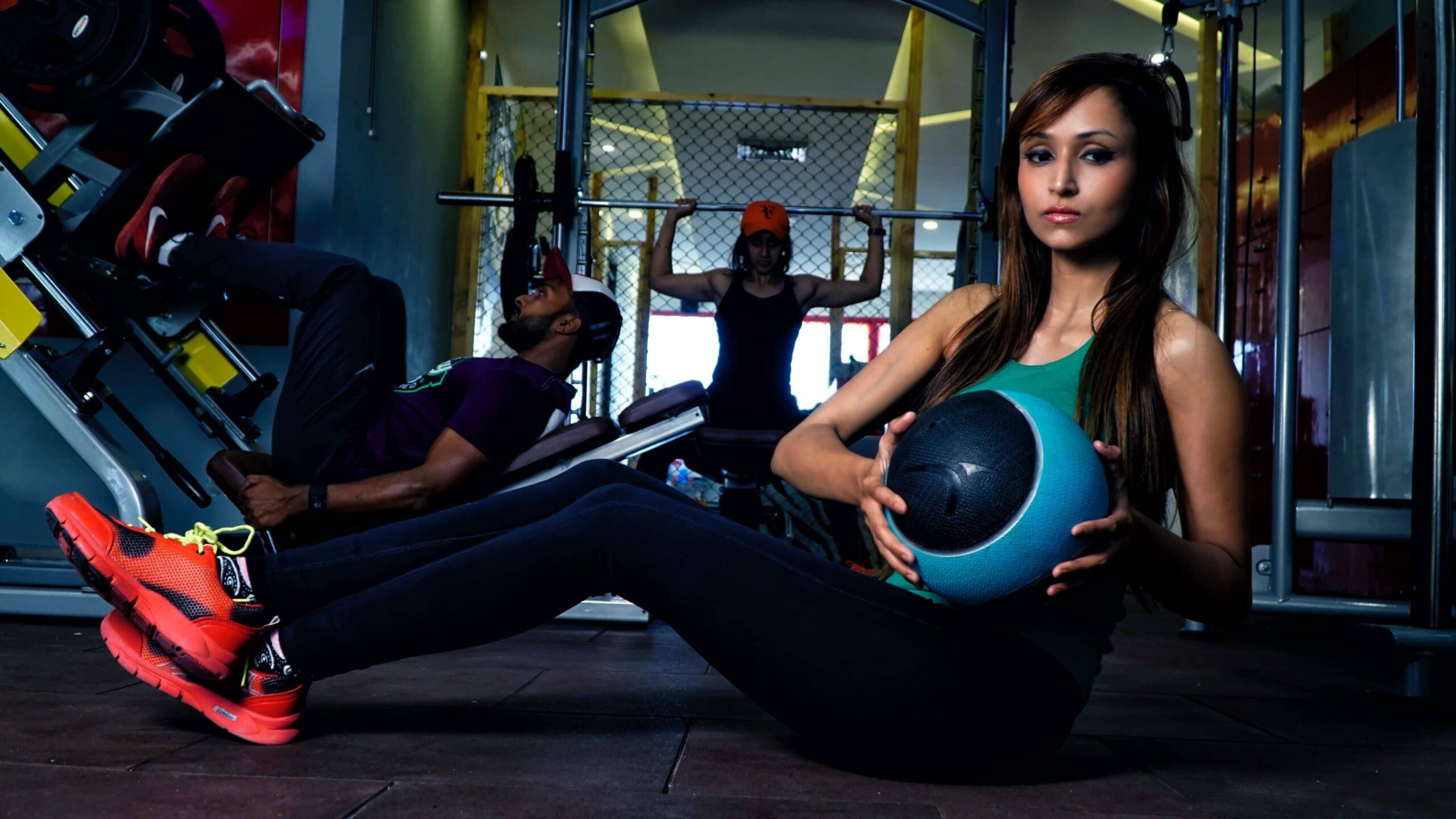
RUSSIAN TWIST: WHAT YOU NEED TO KNOW BEFORE ADDING THIS OBLIQUE EXERCISE TO YOUR PROGRAM
What the Russian Twist Actually Does
The Russian twist is performed sitting on the floor with the knees bent, the torso leaned back at approximately 45 degrees, and a weight rotated from side to side. It is one of the most commonly programmed core exercises in commercial gym settings and one of the most frequently debated from a safety and effectiveness standpoint. Understanding both what it trains and what it costs in spinal stress allows athletes to make an informed decision about whether it fits their training context. The primary muscles trained are the obliques and rectus abdominis through a rotational movement pattern. The exercise does develop rotational core strength, which is functionally relevant for rotational sports including baseball, tennis, golf, and martial arts. However, research by Dr. Stuart McGill published in Spine identified combined lumbar flexion and rotation as the loading condition most strongly associated with intervertebral disc herniation. The Russian twist performs this exact combination: the 45-degree lean creates lumbar flexion while the rotation creates torsional stress on the already-flexed lumbar discs. For athletes whose primary training involves heavy barbell loading of the lumbar spine through squats and deadlifts, adding Russian twists on top of this existing spinal stress represents a meaningful cumulative risk that safer alternatives do not carry. Use a neoprene belt for lumbar support on heavy compound days where total spinal loading is already high.
When Russian Twists Are and Are Not Appropriate
Contexts Where Russian Twists May Be Acceptable
For athletes who do not perform heavy barbell squats or deadlifts regularly, the cumulative lumbar risk of Russian twists is lower because the spinal stress does not compound with barbell loading. Athletes training primarily with bodyweight, bands, or cable machines who want rotational core training and have no history of lumbar disc issues can perform Russian twists at moderate loads without significant risk. The key is keeping loads moderate, avoiding the ballistic twisting that many practitioners use to handle heavier weights, and stopping at any sign of lower back discomfort during or after the exercise.
Contexts Where Russian Twists Should Be Replaced
Athletes who regularly squat and deadlift heavy, athletes with any history of lower back pain or disc issues, and athletes whose training goal is athletic performance rather than isolated oblique work benefit from replacing Russian twists with the safer alternatives that produce comparable or superior oblique development without the lumbar flexion-rotation loading. The Pallof press, dead bug, side plank, landmine rotation, and cable woodchop all develop the obliques through loading positions that do not combine lumbar flexion with rotation. These alternatives are discussed in detail in the Russian twist alternatives guide and are categorically safer choices for most strength training populations. Support lumbar health across all training through consistent use of a neoprene belt on moderate to heavy loading days.
Technique if You Choose to Include Russian Twists
Load and Range of Motion
If Russian twists are appropriate for your training context and you choose to include them, the two most important technique modifications that reduce spinal risk are using light loads and limiting the torso lean. A medicine ball of 4 to 6 pounds or a light dumbbell of 5 to 10 pounds provides adequate oblique stimulus without the compressive spinal loading that heavier weights create. Sitting more upright, at 20 to 30 degrees of lean rather than 45, reduces the lumbar flexion component and therefore the torsional stress on the lumbar discs during rotation. These modifications reduce both the effectiveness and the risk of the exercise simultaneously, which is why the alternatives that avoid the problem position entirely are often the more logical training choice.
Controlled Rotation vs Momentum
The most dangerous version of the Russian twist is the ballistic, momentum-driven rotation with a heavy weight plate or medicine ball where the obliques are not controlling the rotation speed. Controlled rotation, where the obliques drive the movement at a deliberate pace and the obliques resist the return, produces the intended muscle stimulus. Ballistic rotation at speed with the spine in the flexed position amplifies the disc stress without proportionally increasing the muscle training benefit.
Building Rotational Core Strength Through Safer Methods
For athletes who want rotational core strength for sport performance, the safest and most effective approach is to train rotation through the thoracic spine while keeping the lumbar spine stable and neutral. The landmine rotation, cable woodchop, and rotational medicine ball throws all develop powerful thoracic rotation and oblique strength through this anatomically correct movement pattern. The thoracic spine has 12 vertebrae with significant rotational mobility designed for this purpose. The lumbar spine has 5 vertebrae with very limited rotational range designed primarily for flexion and extension. Training rotation through the thoracic spine while the lumbar spine remains braced produces the most powerful and safest rotational movement pattern for athletic performance. Complement rotational core work with the foundational hip stability training of hip circle band exercises that develops the glute medius and hip external rotators that underlie quality rotational movement mechanics.
The Obliques: What They Do and How to Train Them Safely
The oblique muscles perform two primary functions: lateral trunk flexion, bending the torso to one side, and trunk rotation. The internal oblique on one side and the external oblique on the opposite side work together to produce rotation, which is why rotational core exercises are essential for athletic performance. The key to training these muscles effectively and safely is understanding that the obliques are designed to resist and produce rotation through the thoracic spine, not through the lumbar spine. The lumbar spine has very limited rotational range due to the orientation of its facet joints, and forcing rotation through the lumbar vertebrae under flexion loading is what creates the disc stress that makes exercises like the Russian twist problematic for athletes with heavy spinal loading from barbell training.
Safe oblique training focuses on three functions: anti-rotation stability through exercises like the Pallof press, which train the obliques to resist rotational forces rather than produce them; lateral flexion resistance through exercises like the side plank; and thoracic rotation power through exercises like landmine rotations and cable woodchops that allow the thoracic spine to rotate freely while the lumbar spine remains braced and stable. These three training functions cover the full athletic spectrum of oblique strength and power without the lumbar flexion-rotation combination that makes Russian twists a high-risk choice for barbell athletes. Build this comprehensive oblique training foundation alongside the heavy compound lifting supported by a neoprene belt for lumbar protection and knee sleeves on lower body days for complete joint support throughout your training week.
FINAL WORDS
The Russian twist is a popular exercise that carries specific spinal loading risks that most athletes are unaware of when they include it in their programs. Athletes who barbell train heavily should replace it with safer oblique alternatives. Athletes who train without heavy spinal loading may include it at light loads and controlled tempo without significant risk. Whatever oblique training approach you choose, maintain the lumbar health that makes all training sustainable through consistent use of a neoprene belt during compound loading sessions and back extension training that builds spinal erector resilience alongside your oblique work.
Certified strength and conditioning specialists with over 10 years of experience in powerlifting, nutrition, and evidence-based fitness content. Based in New York City.