BEST TEAS FOR COUGH: WHAT ACTUALLY WORKS AND WHY
Coughing is a protective reflex that clears the airway of irritants, mucus, and pathogens. Suppressing it completely is not always the goal. The more useful distinction is between productive coughs that need facilitating, meaning loosening and moving mucus out, and dry irritating coughs that need soothing. Different teas address each type through different mechanisms, and knowing which to reach for based on the type of cough you have produces far better results than picking any generic herbal tea at random.
HONEY AND GINGER: THE BEST-EVIDENCED COMBINATION
Honey is the single most evidence-backed natural cough remedy. A systematic review found honey more effective than no treatment and at least as effective as dextromethorphan, the primary active ingredient in most over-the-counter cough syrups, for reducing cough frequency and severity. The mechanism involves honey’s viscosity coating and soothing irritated mucous membranes while its antimicrobial properties address bacterial components of respiratory infections.
Ginger tea with honey combines honey’s direct demulcent and antimicrobial action with ginger’s documented anti-inflammatory and warming effects on the respiratory mucosa. This combination addresses both the irritation that drives dry coughing and the inflammation that sustains it. Two cups daily during a respiratory illness is the evidence-consistent dose for symptomatic management.
THYME TEA: THE EXPECTORANT CHOICE
Thyme contains thymol and carvacrol, essential oil compounds that have demonstrated bronchodilatory and mucolytic effects. Several German clinical trials using standardized thyme extract found it significantly reduced cough frequency and improved respiratory symptoms compared to placebo in patients with acute bronchitis.
Thyme tea specifically has been shown to thin bronchial mucus, making productive coughs more effective at clearing the lower airways. For a chesty, productive cough associated with bronchitis or post-viral mucus accumulation, thyme tea is the most directly evidence-backed herbal expectorant option available. See our guide on mullein tea for additional expectorant mechanism coverage through a complementary saponin-based pathway.
LICORICE ROOT TEA: SOOTHING AND ANTI-INFLAMMATORY
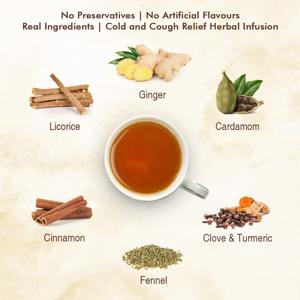
Licorice root tea soothes throat and airway mucosa through glycyrrhizin’s demulcent and anti-inflammatory properties. Traditional Chinese Medicine has used licorice root specifically for respiratory applications for millennia, and the anti-inflammatory mechanism has been confirmed through glycyrrhizin’s cortisol-amplifying action that reduces airway mucosal inflammation.
For dry, irritating coughs associated with upper respiratory infections, licorice root provides both direct throat soothing and anti-inflammatory reduction of the irritation that drives the cough reflex. The dose limitations that apply to regular licorice consumption are less relevant for short-term use during an illness episode of one to two weeks.
PEPPERMINT AND EUCALYPTUS: MENTHOL DECONGESTION
Menthol from peppermint tea activates cold receptors in the nasal passages and upper airways, producing a sensation of improved airflow that reduces the congestion sensation driving many coughs. Menthol also has mild bronchodilatory effects and reduces the hypersensitivity of the cough reflex that keeps people coughing well after the initial infection has resolved.
Inhaling steam from peppermint tea combines the topical nasal menthol effect with the warm humid airflow that loosens mucus and reduces nasal passage inflammation. For post-viral cough persistence where the infection has cleared but airway hypersensitivity remains, peppermint tea steam inhalation is one of the most practical home interventions available.
MARSHMALLOW ROOT TEA: THE DEMULCENT APPROACH
Marshmallow root, Althaea officinalis, contains mucilaginous polysaccharides that form a protective coating over irritated throat and airway mucosa. This coating mechanically reduces the stimulation of cough receptors that dry, irritated mucous membranes create. A clinical study found marshmallow root syrup significantly reduced throat irritation and dry cough scores compared to placebo within one week.
Marshmallow root tea is prepared by cold infusion rather than hot steeping, as heat degrades the mucilaginous polysaccharides that provide the therapeutic effect. Soak marshmallow root in cold water for several hours or overnight. The resulting gel-like liquid is the active preparation. Combine with hot chamomile tea for a warming blend that covers both demulcent and mild anti-inflammatory mechanisms.
BUILDING A COUGH RELIEF TEA PROTOCOL
Productive cough with mucus: Thyme tea and mullein tea to thin and move mucus. Dry irritating cough: Marshmallow root cold infusion and licorice root tea for mucosal coating and anti-inflammatory relief. Post-viral airway hypersensitivity: Peppermint steam inhalation and honey-ginger tea for receptor desensitization and anti-inflammatory support. All types benefit from adequate hydration, as fluid intake is one of the most effective natural expectorants through direct mucosal hydration.
For the comprehensive digestive and systemic picture of how herbal teas support immune health during illness, explore our herbal tea health guide alongside these cough-specific recommendations.
HYDRATION AS THE FOUNDATION OF COUGH MANAGEMENT
Every effective cough management strategy includes adequate hydration as its foundation, and herbal teas contribute to this directly while also delivering their specific bioactive compounds. Mucus in the respiratory tract requires adequate systemic hydration to maintain its normal viscosity. Dehydrated mucus becomes thick, sticky, and difficult to clear, creating the conditions for prolonged coughing that outlasts the initial infection by days or weeks. Eight to ten cups of warm liquid daily during a respiratory illness maintains the mucus viscosity that allows natural ciliary clearance to function normally.
Warm liquids specifically provide additional benefit over cold drinks during respiratory illness. The warmth dilates nasal blood vessels, improving mucosal blood flow and immune cell delivery to infected tissue. Steam inhalation from the cup during consumption loosens mucus in the upper respiratory passages more immediately than any oral preparation can achieve. The combination of hydration, warmth, steam, and the specific bioactive compounds in cough-relief teas creates a comprehensive multi-mechanism approach to respiratory symptom management.
For athletes who train through mild upper respiratory infections, adequate warm liquid intake during training and recovery periods is particularly important. Exercise-induced dehydration that concentrates mucus and reduces mucociliary clearance can transform a manageable minor infection into a more significant respiratory illness. Maintaining hydration through deliberate warm liquid consumption, including the therapeutic teas described here, supports both symptom management and faster resolution of the underlying infection.
Athletes managing upper respiratory infections face specific decisions about training continuation that intersect with cough management. The general medical guidance distinguishes neck-up symptoms including sore throat, runny nose, and mild cough without fever, where light training is generally acceptable, from below-the-neck symptoms including chest tightness, productive cough, fever, and body aches, where rest is strongly advised. Herbal cough teas are most useful in the neck-up category where symptom management during maintained light activity is the goal, and in the recovery phase after returning to training when residual airway hypersensitivity prolongs the cough beyond the active infection.
Recovery from respiratory illness is measured not just by the absence of fever but by the return of normal exercise tolerance and the resolution of the airway hypersensitivity that sustains coughing after the infection has cleared. Herbal teas support recovery at both stages. Anti-inflammatory and expectorant teas like thyme and mullein help clear the active infection phase faster. Anti-irritant and demulcent teas like marshmallow root and licorice root soothe the airway hypersensitivity that persists after the infection resolves. Building a complete respiratory tea protocol that addresses both the active and post-acute phases of illness produces faster return to full training capacity than managing only the acute symptomatic phase.
FINAL WORDS
The teas that work best for cough depend on the type of cough you are managing. Honey and ginger for general antimicrobial and anti-inflammatory relief. Thyme for productive cough and mucus clearance. Licorice root and marshmallow root for dry, irritating coughs requiring mucosal coating and protection. Peppermint for decongestion and post-viral airway hypersensitivity. No single tea covers all cough types optimally. Identify your symptom pattern, match the mechanism to the tea, and use the combination that addresses both the cause and the symptom. The evidence supports all of these options and they are safe for short-term illness use at the doses described.
Certified strength and conditioning specialists with over 10 years of combined experience in powerlifting, nutrition coaching, and evidence-based fitness content. Based in New York City, the Genghis Fitness team tests every protocol in the gym before writing about it.