Genghis Fitness · Equipment and Grip Training
Types of Weight Lifting Straps: Loop, Figure-8, Leather, Cotton, Nylon, and Wrist Wrap Straps Compared for Every Training Application
Updated 2026 | By Team Genghis Fitness | 22 min read
Lifting straps are not a single product but a family of tools that differ in mechanism, material, and appropriate application. Choosing the wrong strap type for a given exercise or load level means either insufficient security at heavy loads, awkward movement mechanics, or equipment overkill for lighter training. Understanding the distinct characteristics of each strap type, what each is best suited for, and the material differences that affect performance under heavy loads allows athletes to select and use straps that genuinely improve training quality rather than simply filling a slot in the equipment bag.
Loop Straps: The Versatile Standard
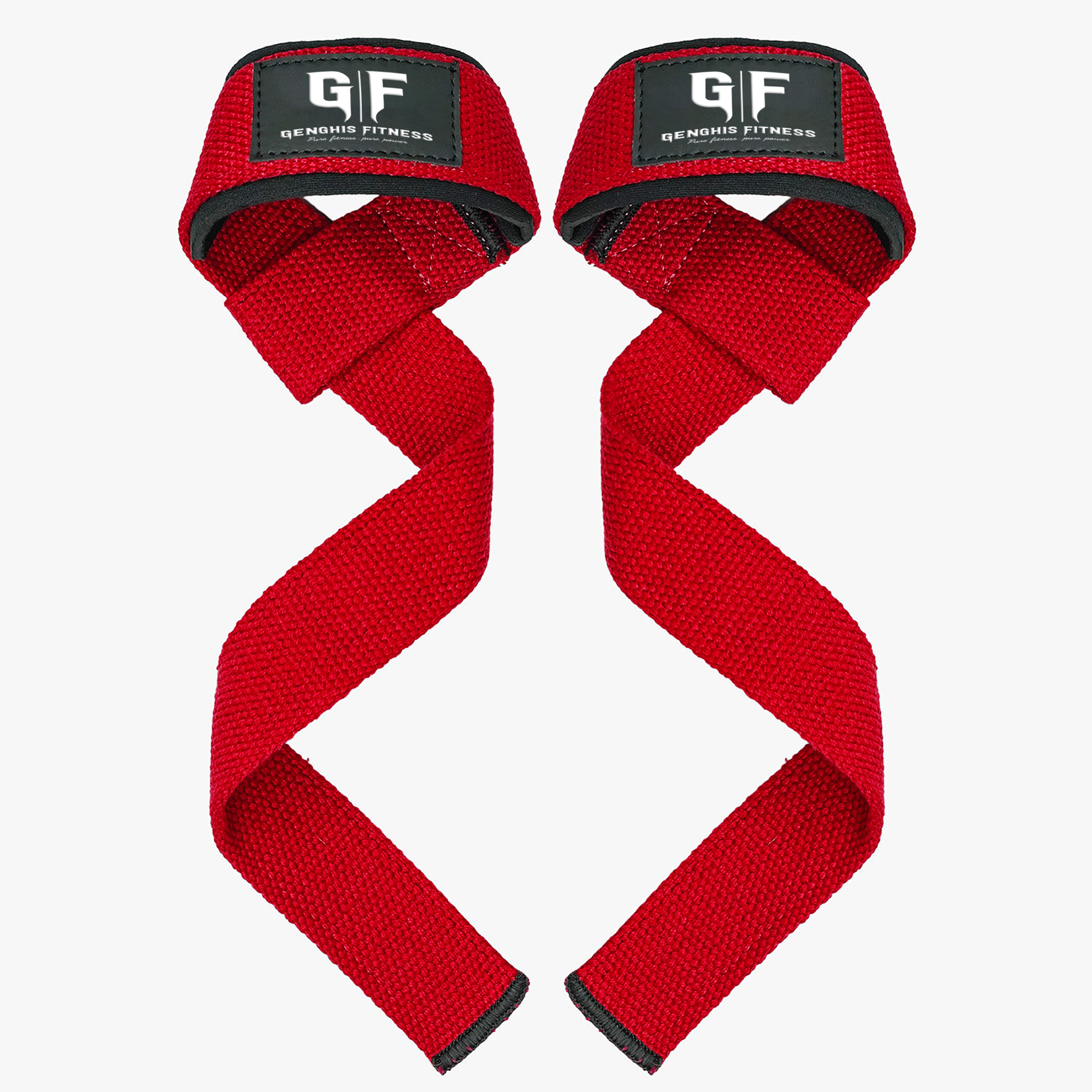
Loop straps are the most common strap design: a fabric loop at one end forms the wrist cuff, and the remaining strap length wraps around the bar for mechanical connection. They work through friction and wrap tension rather than a mechanical lock, making them compatible with the natural bar rotation and wrist movement of pulling exercises. Loop straps are appropriate for the full range of pulling exercises from lat pulldowns and cable rows at moderate loads through heavy barbell deadlifts and rows. The correct wrapping technique passes the strap tail under the bar first, then over the top, for 1 to 3 wraps depending on strap length and exercise. Research published in the Journal of Strength and Conditioning Research confirmed that strap-assisted pulling allows significantly greater volume before grip failure compared to unassisted training, supporting the performance benefit of strap use for heavy pulling volume. The Genghis Fitness lifting straps represent the versatile cotton-nylon loop design appropriate for the full range of pulling exercises.
Figure-8 Straps: Maximum Security for Maximum Loads
Figure-8 straps use a double-loop design that threads through itself around the bar, creating a mechanical lock that cannot slip or unravel even under extreme loads. The figure-8 design is the appropriate choice for the heaviest deadlifts and rack pulls where the load significantly exceeds the friction capacity of standard loop straps and where the mechanical lock provides the additional security margin that maximum-effort pulling demands. The primary limitation of figure-8 straps is that the mechanical lock prevents rapid bar release, making them unsafe for exercises where the bar might need to be dropped suddenly. Figure-8 straps are appropriate exclusively for deadlifts and rack pulls at maximum loads where bar release is controlled and predictable. The Genghis Fitness figure-8 lifting straps provide the mechanical lock design for athletes pulling at the heaviest loads where this specific design provides the greatest security advantage over loop alternatives.
Leather vs Cotton vs Nylon: Material Performance at Heavy Loads
The three primary strap materials differ in stretch, friction, durability, and bar feel in ways that become meaningful at heavy training loads. Cotton straps are soft, comfortable, and require no break-in period but stretch slightly under extreme loads and wear faster than leather or nylon. They are adequate for loads up to approximately 150 to 180 kg and for athletes training frequently enough to replace them every 3 to 6 months. Nylon straps offer better durability than cotton with similar comfort, greater resistance to chalk and sweat absorption, and lower stretch under load. They are the practical all-round choice for most serious training athletes. Leather straps provide the lowest stretch and highest friction against steel, producing the most locked-in feel under heavy loads. They require a break-in period of 10 to 20 sessions before reaching optimal pliability but outlast cotton and nylon significantly at equivalent use. The Genghis Fitness leather lifting straps provide the premium option for athletes training at the heaviest loads where leather material advantages are most apparent.
Wrist Wrap Straps: The Hybrid Option
Wrist wrap straps combine the support function of a wrist wrap with a strap tail for grip assistance in a single accessory. The wrist wrap portion stabilises the wrist in extension during pulling movements, while the strap portion assists grip at the bar. This hybrid design is useful for athletes who experience both wrist stress and grip fatigue during the same pulling exercises and want to address both with a single accessory rather than wearing a wrist wrap and separate strap simultaneously. The limitation is that the wrist wrap component adds bulk that can be uncomfortable during exercises requiring free wrist movement, and the strap component is typically shorter than dedicated lifting straps, limiting wrap passes around the bar. For athletes with separate wrist and grip concerns, dedicated wrist wraps for pressing and separate lifting straps for pulling is typically more effective than the hybrid design for both functions. The complete guide to how straps integrate with different exercises is in our how to use lifting straps guide.
Building the Complete Pulling Equipment Setup Around Straps
Lifting straps deliver maximum training benefit when used as part of a complete pulling equipment setup rather than as a standalone accessory. Pairing straps with a powerlifting belt for the heaviest deadlift and row sets addresses both grip and spinal protection simultaneously during maximum-effort pulling sessions. Chalk applied to the hands before wrapping the straps improves friction between hand and strap surface, adding an additional layer of security on top of the mechanical wrap around the bar. The optimal approach to strap use is selective rather than universal: using straps for the heaviest 2 to 3 work sets where grip is the genuine limiting factor, while leaving all warm-up sets and lighter working sets unstrapped to maintain the grip training stimulus that unassisted pulling provides across the full session. Athletes who build this disciplined and strategic approach to strap use from the beginning of serious strength training develop both a well-equipped training practice and the grip strength that serves them in competition, in other physical activities, and across their training career. The complete strap selection and technique guide covering every major pulling exercise is in our how to use lifting straps guide. Selecting the right strap type from the options described in this article is the first step toward consistently effective pulling training sessions.
Frequently Asked Questions
Which Strap Type Is Best for Heavy Deadlifts?
For conventional deadlifts at moderate to heavy training loads (up to approximately 200 kg), quality loop straps in leather or nylon provide sufficient security with natural movement accommodation. For rack pulls and partial deadlifts at maximum loads, figure-8 straps provide the mechanical lock that eliminates any possibility of strap slippage under extreme tension. For most athletes who do not regularly pull above 200 kg, quality loop straps in leather or nylon are the appropriate and sufficient choice without the safety restrictions of figure-8 straps.
How Many Times Should Straps Wrap Around the Bar?
For standard loop straps, 2 to 3 wraps around the bar provides the most secure connection for heavy pulling exercises. One wrap is typically sufficient for lighter exercises like lat pulldowns and cable rows. Three wraps is appropriate for maximum-effort deadlifts where the additional wrap passes provide extra security. More than 3 wraps is rarely necessary and can create excess strap tail that gets in the way during the exercise. The optimal number of wraps is the minimum that provides a fully locked feel with no strap slippage when the bar is loaded.
Every Load. Every Exercise. The Right Strap.
Match the strap type to the training demand and never compromise a heavy pull.
Shop Lifting StrapsShop Figure-8 StrapsCertified strength and conditioning specialists with over 10 years of experience in powerlifting, nutrition, and evidence-based fitness content. Based in New York City.