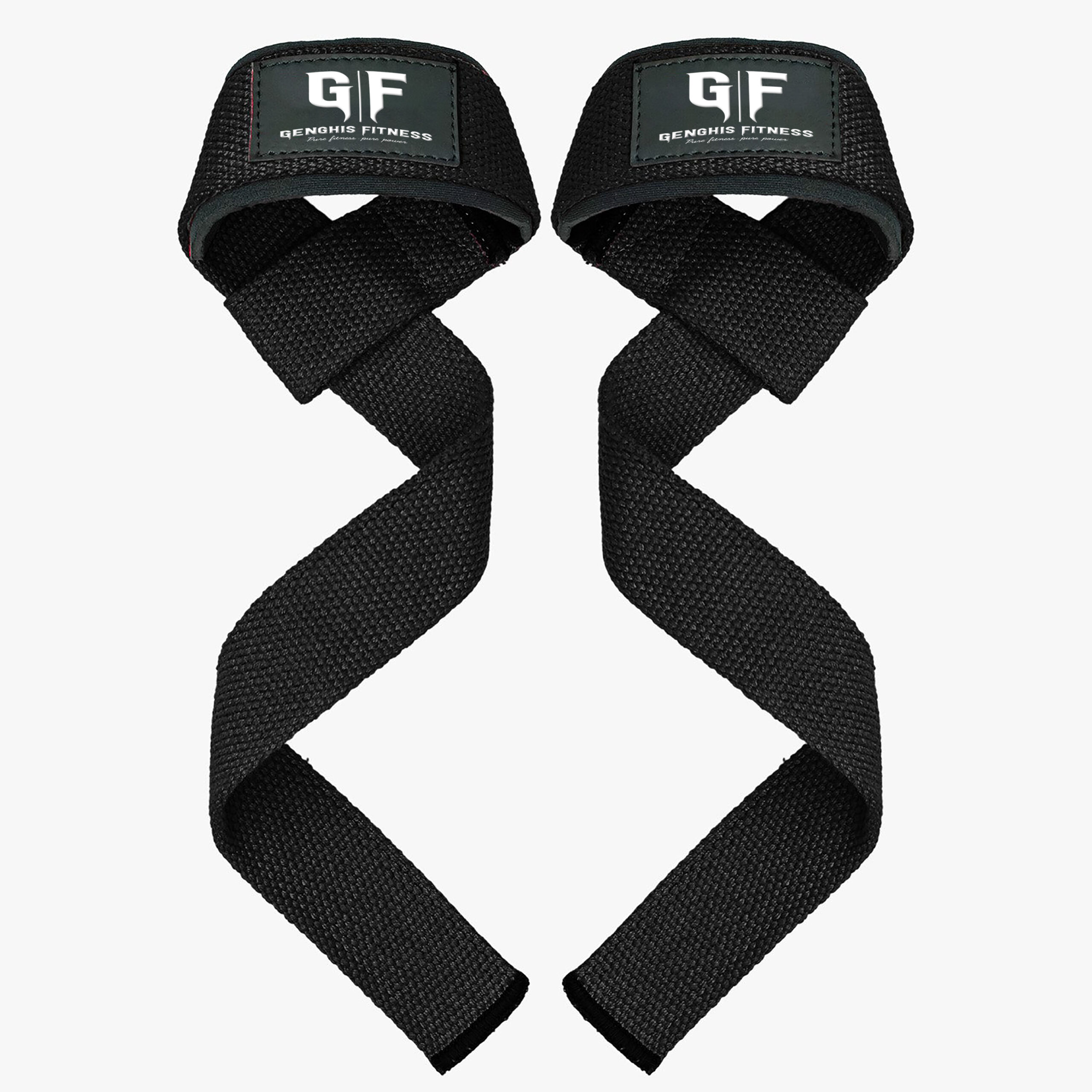
WEIGHT LIFTING STRAPS FOR GRIP STRENGTH: THE TRUTH ABOUT USING STRAPS AND BUILDING GRIP
The relationship between weight lifting straps and grip strength is a common point of confusion among athletes who have been told that strap use reduces grip development. The reality is more specific: straps reduce the grip demand of the exercises they are applied to, which is their intended function, but grip strength develops most effectively through dedicated grip training and through bare-hand pulling at appropriate intensities, not through the involuntary grip fatigue that heavy strapped pulling prevents. Understanding how to use straps strategically to maximize both posterior chain development and grip strength development produces better outcomes in both areas than either always using straps or never using them.
THE GRIP STRENGTH CONCERN FRAMED CORRECTLY
The grip strength concern about strap use is legitimate when framed correctly: if an athlete uses straps on every set of every pulling exercise at every intensity, they are removing the grip challenge from most of their training and limiting the grip development that those exercises would otherwise produce. But the concern is typically applied incorrectly, suggesting that strap use at heavy intensities where grip would otherwise limit the target posterior chain training impairs grip development. Research on forearm flexor adaptations under different loading protocols confirms that grip strength develops through specific grip training, not as an incidental benefit of grip-limited posterior chain work. The solution is to add dedicated grip training, not to limit posterior chain work by withholding straps.
THE PROTOCOL THAT MAXIMIZES BOTH GOALS
The protocol that maximizes both grip strength and posterior chain development is straightforward: use lifting straps on heavy sets where the target loading exceeds grip capacity, and include dedicated grip strength work as a specific training component rather than relying on grip-limited heavy pulling for grip development. Farmer carries with heavy implements, thick bar deadlifts, towel pull-ups, and dead hangs are all more effective grip strength exercises than grip-limited heavy deadlifts, because they can be loaded specifically for grip development rather than being limited by whatever weight the posterior chain can handle with grip as the constraint.
HOW STRAP TYPE AFFECTS RESIDUAL GRIP DEMAND
The type of strap used influences how much grip demand remains during the pulling exercise. Leather loop straps preserve more tactile bar feedback than synthetic alternatives, which means more active hand engagement with the bar despite the strap assistance. Figure 8 straps eliminate essentially all grip demand because the closed-loop mechanical connection requires minimal active gripping to maintain bar contact. For athletes who want to maintain some grip activation during strapped pulling as a partial grip training stimulus, leather loop straps provide the best balance of grip assistance and residual grip engagement. For athletes who want maximum grip elimination during heavy posterior chain work, figure 8 straps are the appropriate choice.
DEDICATED GRIP TRAINING: THE ACTUAL SOLUTION
Grip strength training for athletes who use straps regularly should address the three primary grip strength functions that heavy pulling develops least specifically: crushing strength, which is the ability to close the hand forcefully around an object; supporting strength, which is the ability to hold a loaded implement for extended duration; and pinching strength, which is the ability to grip between the thumb and fingers without full hand closure. Each function has specific exercises that develop it more effectively than barbell pulling: grippers for crushing strength, farmer carries and dead hangs for supporting strength, and pinch deadlifts or plate pinching for pinching strength.
PERIODIZING STRAP USE FOR GRIP AND POSTERIOR CHAIN DEVELOPMENT
The periodization of strap use across a training year can serve both posterior chain and grip development goals. Phases where the program prioritizes maximum posterior chain loading quality use straps on all pulling work above 75 to 80 percent of maximum. Phases where grip strength is a specific development goal include dedicated grip training sessions and reduce strap reliance for some pulling volume at moderate intensities, specifically to create grip training stimulus from exercises that also develop the posterior chain. This periodized approach prevents the accumulated chronic grip limitation that purely strap-free pulling would impose on posterior chain development while providing the deliberate grip training phases that straps alone do not.
GRIP-SPORT ATHLETES: SPECIAL CONSIDERATIONS
For competitive strength athletes whose sport involves grip, such as strongman, grip sport, and rock climbing, the protocol for strap use in accessory training must be calibrated to the specific grip demands of competition. These athletes should use straps on the specific exercises where straps are allowed in their sport or where the exercise is purely for posterior chain volume rather than competition-specific skill. The exercises that develop the competition-specific grip pattern should be performed primarily or exclusively without straps, because the grip demand of the exercise is part of the training specificity for the competition context.
MIXED WITHIN-SESSION PROTOCOL: STRAPS ON LATER SETS
Grip training without straps on sub-maximal pulling work is the practical protocol for maintaining grip strength development alongside posterior chain work. Performing the first one to two sets of each pulling exercise without straps at 60 to 70 percent of maximum, then applying straps for the heavier working sets, provides grip training stimulus at the volume that produces meaningful grip adaptation without using the limited grip capacity to constrain the heavier working sets. This mixed-within-session approach is simpler to implement than periodized phases and provides consistent grip stimulus across the training year.
COMPLETE PULLING AND GRIP SUPPORT SETUP
The complete grip and pulling support setup for serious posterior chain training combines the appropriate strap type for each exercise and loading context alongside a quality lever belt for spinal support at heavy intensities. Loop straps for standard heavy volume pulling. Figure 8 straps for near-maximum deadlift attempts. Hooks for accessory pulling with frequent transitions. Dedicated grip training separate from the posterior chain sessions. This complete approach develops both the posterior chain through strap-enabled heavy loading and grip strength through specific training, rather than compromising the development of either through an either-or strap policy. The practical result of this combined approach, tracked across a full training year by athletes who implement it consistently, is a posterior chain that trains at its genuine heavy loading capacity on every session and a grip that improves independently through specific work rather than being incidentally limited or developed through posterior chain training alone.
FINAL WORDS
Weight lifting straps and grip strength development are complementary rather than conflicting goals when the training approach uses straps strategically rather than categorically. Use Genghis Fitness lifting straps and their strap-type variations at the intensities and exercises where grip would otherwise limit posterior chain training quality. Add dedicated grip strength training through farmer carries, grippers, dead hangs, and thick bar work. Include some unstrapped pulling at moderate intensities for incidental grip stimulus. This complete approach produces better posterior chain development, better grip strength, and better overall athletic capacity than either always strapping or never strapping delivers in isolation. The athletes who make this argument most convincingly are the competitive powerlifters and strongmen who consistently post both elite-level total numbers and impressive grip sport performances, having developed each quality through the specific tools and training approaches that each domain requires rather than accepting the compromise that a single policy for grip assistance would impose on one or both.
Certified strength and conditioning specialists with over 10 years of experience in powerlifting, nutrition, and evidence-based fitness content. Based in New York City.
TRAIN WITH EQUIPMENT THAT MATCHES YOUR EFFORT
Serious strength training demands serious gear. A lever belt, quality straps, and knee sleeves are not accessories. They are tools.
Knee Sleeves