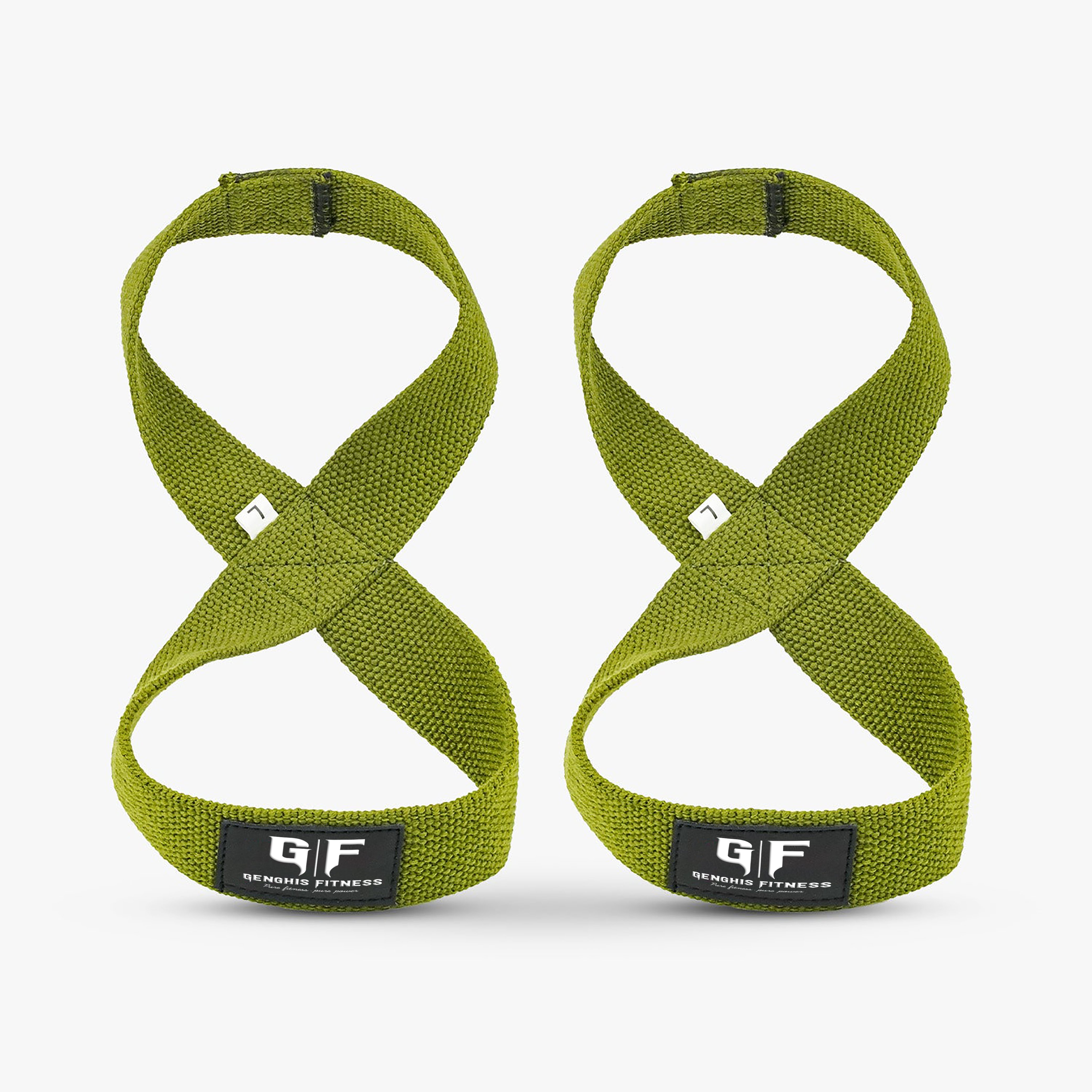
Figure-8 Straps: The Most Secure Lifting Strap Explained
Most lifting straps work by wrapping around the bar and relying on friction and tension to keep the hand attached. They work well for the vast majority of pulling work. But at genuinely maximum loads, particularly in heavy deadlifts, rack pulls, and shrug variations where the bar weight exceeds what any amount of friction can reliably hold, the figure-8 strap is the correct tool.
This guide covers exactly how figure-8 straps work, which exercises they are best suited for, how to put them on, and the important safety consideration that every athlete should understand before using them for the first time.
How Figure-8 Straps Work
A figure-8 strap forms a continuous double loop of material. One loop goes around the wrist. The other loop goes around the bar. The two loops are connected in a figure-8 configuration so that when you grip the bar and the strap is loaded, it tightens around both the wrist and the bar simultaneously, creating a mechanical lock between the hand and the barbell.
This is fundamentally different from a standard loop strap, which relies on friction between the strap material and the bar to stay attached. A figure-8 creates a physical connection that does not depend on friction. As long as the bar is in the loop, the hand cannot come off the bar regardless of how much load is on it.
The Genghis Fitness figure-8 lifting straps are built on this principle with heavy-duty construction appropriate for maximum-effort training loads.
The Critical Safety Difference
The mechanical lock that makes figure-8 straps so secure at heavy loads is also the reason they require specific awareness before use. Because the strap creates a physical connection rather than a friction-based one, you cannot simply open your hands and drop the bar if something goes wrong mid-set.
With standard loop straps, a failed lift can be aborted by releasing your grip. The strap stays on the bar and your hands come free. With a figure-8 strap, the bar stays mechanically connected to your wrists until you physically remove the strap. If you fail a deadlift with figure-8 straps, the bar comes down and your hands come with it.
This is not a reason to avoid figure-8 straps. It is a reason to use them specifically for exercises where dropping the bar in an emergency is not a concern: deadlifts from the floor or a rack, shrugs, and heavy static holds. Never use figure-8 straps for Olympic lifting movements like cleans or snatches, where the ability to release the bar quickly in the catch phase is essential for safety.
Exercises Where Figure-8 Straps Are the Right Choice
Maximum-Effort Deadlifts
The conventional and sumo deadlift at true maximum loads are the primary use case for figure-8 straps. When the bar weight exceeds what your grip can reliably hold for a full rep, standard straps may slip at the critical moment of peak loading. Figure-8 straps eliminate that risk entirely. The bar stays in your hand through the full pull and lockout.
Rack Pulls and Partial Deadlifts
Rack pulls, which begin from a pin position above the knee, are commonly trained at weights significantly above the athlete’s conventional deadlift maximum. The shortened range of motion allows greater loading, which quickly exceeds grip capacity even for athletes with strong hands. Figure-8 straps are the standard choice for rack pulls at these supramaximal loads.
Heavy Shrugs
Barbell shrugs for trap development are frequently performed at weights that exceed the deadlift training max, because the range of motion is small and the traps have enormous load capacity. Figure-8 straps allow the traps to be trained to their true limit without grip becoming the ceiling long before the target muscle is challenged.
Heavy Romanian Deadlifts
The Romanian deadlift involves a sustained isometric hold at hip hinge throughout the entire set. At heavy loads across moderate rep ranges, the sustained grip demand is significant. Figure-8 straps are appropriate for the heaviest Romanian deadlift sets where standard straps do not provide enough security across a full high-rep set.
How to Put On Figure-8 Straps
Step one: pass one loop of the figure-8 over the wrist of the non-dominant hand. Position it so the connecting section of the figure-8 sits on the back of the hand, not the palm.
Step two: with the strap hanging from the wrist, pass the second loop around the bar from beneath. Thread the bar through the second loop so it sits inside the loop with the strap going under and back up on the near side.
Step three: bring your hand over the bar from the top, close your fingers around the bar, and the figure-8 configuration tightens as you grip. Both loops are now loaded simultaneously.
Repeat on the other hand. It takes practice to become efficient with the setup. Most athletes find it takes 3 to 5 sessions before the process becomes fast enough to not disrupt training rhythm.
Figure-8 vs Loop Straps: Which to Use When
Loop straps are the right tool for most pulling training. They are faster to set up, can be released in an emergency, and provide sufficient grip support for all working sets up to near-maximum loads. The Genghis Fitness lifting straps cover this range well.
Figure-8 straps are the upgrade for maximum-effort pulls where absolute security matters more than release speed. A practical approach is to use standard loop straps for warm-up sets and working sets below 90 percent of your training max, then switch to figure-8 straps for true maximum-effort pulls and supramaximal rack work.
Leather loop straps, like the Genghis Fitness leather weight lifting straps, sit between basic cotton and figure-8 in terms of security. They are appropriate for the heavy middle range of pulling work where cotton loops become unreliable but the full mechanical lock of a figure-8 is more than the situation requires.
Material Considerations for Figure-8 Straps
Figure-8 straps are most commonly made from nylon webbing or cotton canvas. Nylon is more durable under the higher loads typical of figure-8 use and resists fraying at the edges better than cotton. The seam connecting the two loops is the critical construction point. It must be reinforced with bar-tack or box-X stitching to handle the bidirectional loading that the figure-8 configuration creates.
Width matters for comfort at heavy loads. A wider strap distributes wrist contact pressure over a larger area, reducing the bruising that can occur at very heavy weights with narrow straps. Most quality figure-8 straps are 1.5 to 2 inches wide.
Pairing Figure-8 Straps with a Deadlift Belt
Maximum-effort pulling sessions typically pair a deadlift belt with figure-8 straps. The belt addresses lumbar bracing. The straps address grip security. Together they remove the two most common performance ceilings in heavy pulling work so the posterior chain, the actual target of the training, can be loaded to its true capacity.
The Genghis Fitness powerlifting leather belt is the natural companion to figure-8 straps for heavy deadlift and rack pull sessions. For athletes who also use weight lifting hooks as an alternative grip aid, figure-8 straps provide a more secure connection at the absolute maximum loads where hooks can sometimes shift position.
Care and Inspection
Inspect the connecting seam of figure-8 straps before every heavy session. This is the point of maximum stress concentration. Any sign of thread pulling away from the seam, fraying at the loop junctions, or thinning of the strap material at the wrist contact point means the straps should be replaced before use at heavy loads. A strap failure during a maximum deadlift is a serious safety event. Replace at the first sign of structural compromise.