Reputable Weightlifting Belt Brands: What Quality Actually Looks Like
Every belt brand claims to make the best belt. Most of them are selling the same neoprene sourced from the same manufacturers with a different logo stamped on. Identifying a reputable weightlifting belt brand requires knowing what construction standards actually matter and what marketing language is designed to sound meaningful without saying anything.
The Construction Markers That Signal Quality
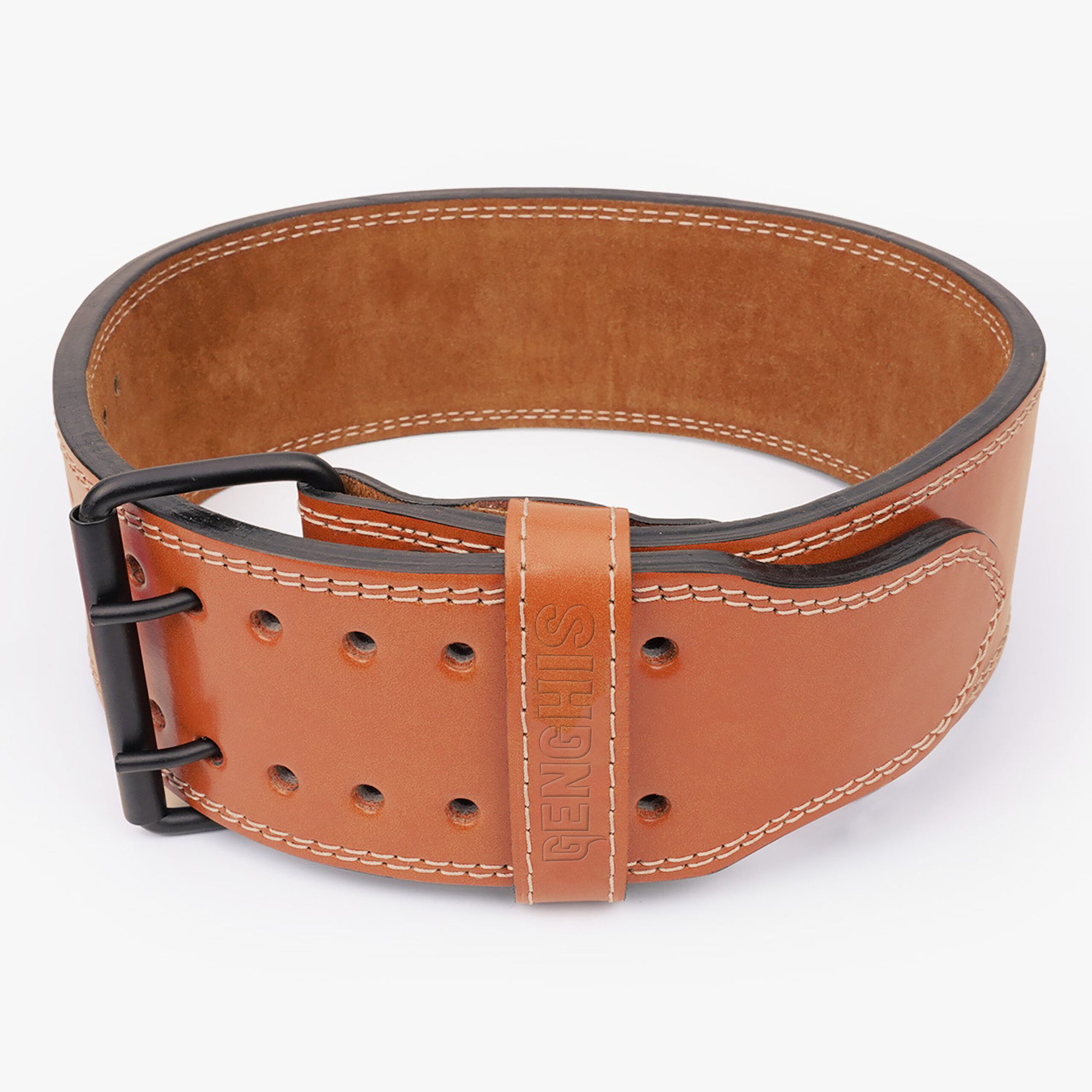
Full-grain leather is the first dividing line in leather belts. Full-grain means the natural fiber structure of the outer hide layer is preserved intact. This layer is the densest and most mechanically strong part of the hide. Lower-grade leather products use split-grain leather — the underside of the hide separated from the full grain — or bonded leather, which is leather scraps pressed together with adhesive. Both soften and lose support characteristics under repeated loading. Full-grain leather maintains its rigidity for years of heavy training.
Thickness consistency across the belt is the second marker. A quality leather belt should be the same thickness at the front, sides, and back. Some manufacturers use thicker cores in the back panel and taper the sides to reduce material cost. This produces uneven support around the torso and means the belt behaves differently in the front and back positions during the lift. A uniform 10mm belt applies consistent pressure and provides consistent bracing surface throughout the full circumference.
Stitching quality is visible and informative. Double or triple stitching with tight, even spacing throughout the belt perimeter indicates manufacturing quality. Loose stitching, skipped stitches, or stitching only at stress points are signals that the rest of the construction cut similar corners.
Federation Approval as a Quality Proxy
IPF and USAPL equipment approval lists function as an indirect quality filter. Both organizations require belts to meet specific material, thickness, and construction standards before approving them for competition use. A belt on the IPF approved equipment list has been reviewed for compliance with those standards. This does not guarantee it is the best performing belt available, but it does confirm it meets baseline construction requirements. The Genghis Fitness 10mm Lever Belt is IPF and USAPL approved.
The IPF approved equipment list is publicly available and updated periodically. Any brand claiming federation compliance should have its specific products on that list, not just a general claim that their belts meet IPF standards.
What Reputable Brands Do Not Do
Reputable belt manufacturers do not sell belts at $15 with free shipping and claim they are competition grade. The material and manufacturing cost of a genuine full-grain leather belt at 10mm makes that price point impossible without fundamental compromises in construction. The compression-molded leather and thin neoprene cores that come in at low price points can provide some training benefit for beginners, but they are not equivalent to purpose-built powerlifting equipment.
Reputable brands also do not inflate thickness claims. A belt described as 13mm that measures 9mm under a caliper is not an honest product. Manufacturers building for serious athletes publish consistent specifications because their customers train with the equipment and notice inconsistencies immediately.
Building Your Belt Selection Criteria
Material comes first. Full-grain leather for powerlifting and heavy strength work. Neoprene for CrossFit, Olympic lifting, and varied programming. Nylon for general training and beginners. These are not interchangeable and no single material is superior across all use cases.
Closure type comes second and depends on your training style more than your strength level. Lever closures are fastest to apply and provide consistent tightness set to set. Single-prong closures are universally federation-legal and adjust hole by hole. Double-prong closures provide two contact points and are preferred by some lifters for their feel under maximum load. Neoprene and nylon belts typically use hook-and-loop or auto-lock buckles.
Warranty and return policy signal brand confidence. A manufacturer that stands behind its product with a genuine return window and customer support is a different kind of company than one that makes the sale and disappears. That signal is worth factoring into the purchase decision alongside the hardware specifications.
Related reading
Best Lifting Belt | Leather Weightlifting Belt Reviews | 10mm vs 13mm Weightlifting Belts
Red Flags in Belt Marketing
Certain marketing patterns reliably indicate low-quality belt products. The first is vague material descriptions. A belt described as leather without specifying full-grain, top-grain, or genuine leather is almost certainly using split-grain or bonded construction. Reputable manufacturers are specific about material grade because it is a genuine differentiator and their customers are informed enough to ask.
The second red flag is unsupported strength ratings. A belt advertised as rated to 1500 pounds with no explanation of what that rating means or how it was tested is not a useful specification. Belt performance is not measured by a load rating on the product itself. It is measured by material quality, construction, and the specific training demands it is matched to.
The third is prize-draw style social proof. Real athletes posting real training sessions in a belt is genuine evidence of use. A brand showing only polished studio photos and no actual lifters training in the product at heavy loads is not telling you how the belt performs where performance matters.
The practical filter for identifying reputable weightlifting belt brands is this: look for specific material descriptions, confirmed federation approval for the exact product model, verifiable athlete use at competitive or near-competitive loads, and a return policy that demonstrates confidence in the product. Brands that cannot meet these basic transparency standards are unlikely to be manufacturing equipment at the quality level serious strength training demands.
The warranty and after-sale experience from a brand often tells you more about its reliability than its marketing materials. A company that makes belts confident in their construction offers a genuine return window and responds to customer issues without friction. A company that makes belts it knows will fail under real training loads structures its policies to avoid easy returns. Checking reviews that specifically mention post-purchase customer service experiences is worth the five minutes before committing to a belt purchase from a brand you have not used before.
Price transparency is another reliable quality signal. A brand that publishes consistent pricing and does not rely on perpetual flash sales and inflated original prices is more likely to be selling a product at its genuine value. Constant discount cycling suggests the listed price is not the real price, which in turn suggests the product’s quality cannot justify the full price. Reputable manufacturers set a price that reflects their material and construction costs honestly and hold it consistently rather than manufacturing urgency through artificial discounting.