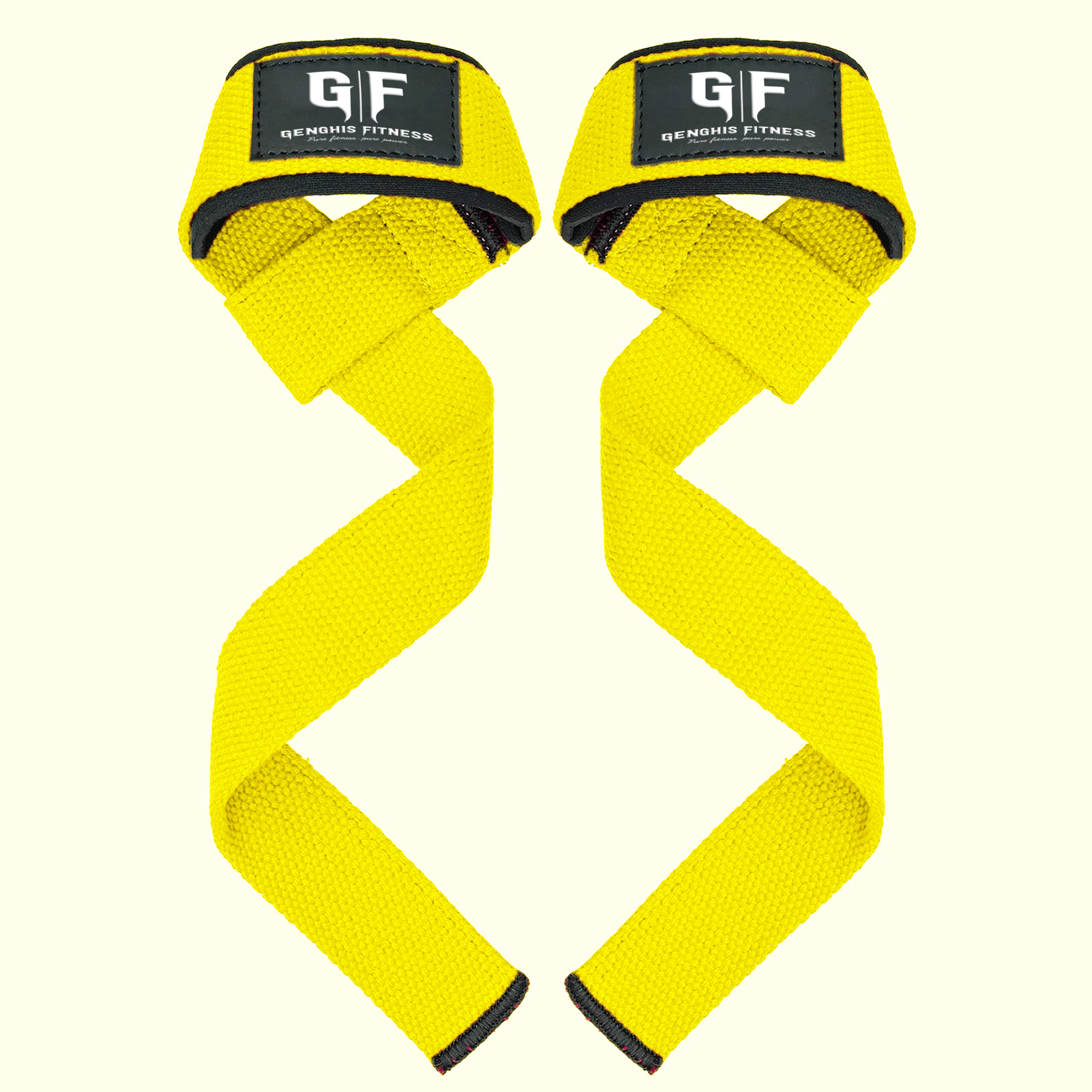
NEOPRENE WEIGHT LIFTING STRAPS: WHAT THEY ARE, HOW THEY WORK, AND WHO SHOULD USE THEM
Understanding Neoprene Lifting Straps and Their Place in Your Training
Not all lifting straps are built the same. While cotton and nylon loop straps have been the standard for decades, neoprene weight lifting straps offer a distinct combination of padding, grip texture, and wrist comfort that appeals to a specific group of athletes. Neoprene is the same dense, closed-cell foam material used in wetsuits and knee sleeves. When incorporated into the wrist section of a lifting strap, it provides cushioning against the bony structures of the wrist that standard fabric straps lack. For anyone who has dealt with wrist bruising or discomfort from hard fabric straps during heavy deadlift sessions, neoprene straps are worth serious consideration. The complete range of Genghis Fitness lifting straps covers multiple strap styles so you can match the tool to the training demand.
The function of any lifting strap is to transfer grip load from the fingers and palm to the wrist and forearm, allowing the target muscles of the back, traps, and hamstrings to work at full capacity without being limited by grip endurance. Neoprene straps accomplish this in the same fundamental way as cotton straps: wrap the strap tail around the bar, grip over the wrap, and let the wrist bear the load. The neoprene difference is in the comfort of that load transfer. Research published in the Journal of Human Kinetics confirmed that grip fatigue meaningfully reduces pulling exercise volume before target muscles reach failure, making any reliable grip assistance tool a legitimate performance enhancer.
Neoprene vs Cotton vs Leather Straps: How They Compare
Padding and Wrist Comfort
Neoprene straps win on comfort, full stop. The foam padding distributes the load of a heavy deadlift or row across a broader surface area of the wrist, reducing pressure on the ulnar and radial bones. Athletes with small wrists, narrow wrist bones, or any history of wrist injury often find neoprene straps dramatically more comfortable than flat cotton or nylon alternatives. For anyone who is deterred from strap use because of wrist discomfort during heavy sets, neoprene changes the equation.
Grip Surface
Neoprene has a naturally grippy surface texture that prevents the strap from sliding around the bar during a set. Cotton and nylon straps rely on friction from the wrap to stay in place, while neoprene maintains contact with the bar surface through its textured face. This makes neoprene straps particularly effective on knurled bars where the neoprene grips the knurling aggressively and stays locked through every rep of a heavy pull.
Durability
Cotton and nylon straps are more durable over the very long term than neoprene, which can degrade if exposed to excessive heat or harsh cleaning chemicals. With standard hand-washing in cold water and air drying, a quality pair of neoprene straps lasts 12 to 18 months of regular training use. For athletes who train daily and need maximum longevity, leather lifting straps remain the gold standard. For the majority of recreational and competitive athletes training four to five days per week, neoprene straps are plenty durable.
Warmth and Joint Support
One underrated benefit of neoprene straps is that the material retains body heat around the wrist joint during training. This is the same principle behind neoprene knee sleeves keeping the knee joint warm through a heavy squat session. Warm connective tissue is more pliable and less prone to acute strain than cold tissue. For athletes training in cold environments, garages, outdoor facilities, or unheated gyms during winter months, the incidental warmth from neoprene straps is a genuine benefit.
Best Exercises for Neoprene Lifting Straps
Conventional and Sumo Deadlifts
The deadlift is the primary application for any lifting strap, and neoprene excels here. The padded wrist section absorbs the sharp compressive load of a heavy deadlift pull far better than a bare cotton strap, and the grippy neoprene surface locks securely onto the bar from the first rep to the last. For athletes training deadlift volume with multiple working sets at submaximal weight, the comfort advantage of neoprene becomes increasingly apparent as the session progresses and accumulated wrist fatigue would otherwise make bare fabric straps uncomfortable.
Rack Pulls and Block Pulls
Rack pulls and block pulls are performed at weights that significantly exceed conventional deadlift maximums, making grip assistance not just helpful but essentially mandatory. The combination of neoprene padding and secure grip makes these straps ideal for partial-range overload work. For maximal loads that require absolute security over comfort, some athletes prefer figure-8 straps for their locking connection, but neoprene loop straps handle the majority of rack pull training perfectly well.
Barbell Rows and Chest-Supported Rows
Rowing movements at heavy loads accumulate grip and forearm fatigue quickly, especially later in a back session. Neoprene straps on working sets of barbell rows, Pendlay rows, and chest-supported machine rows allow the lats, rhomboids, and mid-traps to take every set to genuine muscular fatigue rather than being cut short by grip. The wrist comfort from the neoprene padding is particularly appreciated on rowing exercises where the bar is held at a slight angle and pressure concentrates on specific wrist structures more than in a straight deadlift pull.
Shrugs and Trap Bar Deadlifts
Heavy shrugs require loads that no one can hold without grip assistance once the weight gets serious. Neoprene straps on heavy barbell shrugs or trap bar deadlifts let the traps work to their actual capacity. The trap bar specifically benefits from neoprene straps because the neutral handle position places the strap slightly differently on the wrist than a straight bar, and the neoprene padding accommodates this angle comfortably. Combine strap use with a 10mm lever belt for full spinal support during heavy trap bar and shrug work.
How to Wrap and Use Neoprene Straps Correctly
Thread the tail of the strap through the loop to create a noose around your wrist. The neoprene padded section should sit against your wrist with the padding facing inward toward the skin. Position the wrist loop so it sits just below the wrist crease, not around the mid-forearm. From there, drape the tail under the bar and wrap it around the bar once or twice depending on strap length and the load. Roll the bar slightly toward you to tighten the wrap, then grip on top of the wrapped section. The neoprene face will grip the bar texture and your palm grips on top of the neoprene. Lift the bar and the wrist bears the load through the padded strap.
For unloading after a set, simply open the hands and let the bar roll away from you naturally. The strap unwinds without any effort. Do not try to pull the strap off while the bar is still loaded. Set the bar down first, open the grip, and let it unwind on its own.
Caring for Your Neoprene Lifting Straps
Hand-wash neoprene straps in cold water with a small amount of mild detergent after every two to three training sessions. Sweat, chalk, and bar knurling residue build up in the neoprene texture and reduce grip effectiveness if not cleaned regularly. Rinse thoroughly to remove all soap, then squeeze out excess water gently without twisting the neoprene, which can deform the foam structure. Lay flat to air dry completely before storing. Never put neoprene in a hot dryer or leave it in direct sunlight for extended periods, both of which break down the foam cells and reduce cushioning performance over time.
Inspect the stitching at the loop and at the neoprene-to-strap junction before each session. These are the highest-stress points of the strap and where failure, if it occurs, will begin. Any fraying or separation at these points means the strap should be replaced. A strap failure during a maximal deadlift is both dangerous and preventable. Keep your straps in good condition and replace them when they show wear, the same discipline you apply to wrist wraps and other training accessories.
FINAL WORDS
Neoprene weight lifting straps occupy a specific and valuable niche in the strap market. They are not the most durable option, and they are not for athletes who need the absolute maximum security of figure-8 straps on world-record attempts. But for the vast majority of serious lifters who want reliable grip assistance with wrist comfort that makes heavy pulling sessions genuinely more productive, neoprene straps deliver. Try them on your next heavy back day and notice how much more you can feel the target muscles working when wrist discomfort is completely removed from the equation. Browse the full selection of Genghis Fitness lifting straps to find the right style for your training.
Certified strength and conditioning specialists with over 10 years of experience in powerlifting, nutrition, and evidence-based fitness content. Based in New York City.