HOW TO USE WEIGHT LIFTING STRAPS: THE COMPLETE GUIDE FOR BEGINNERS AND EXPERIENCED LIFTERS
What Lifting Straps Actually Do and Why They Matter
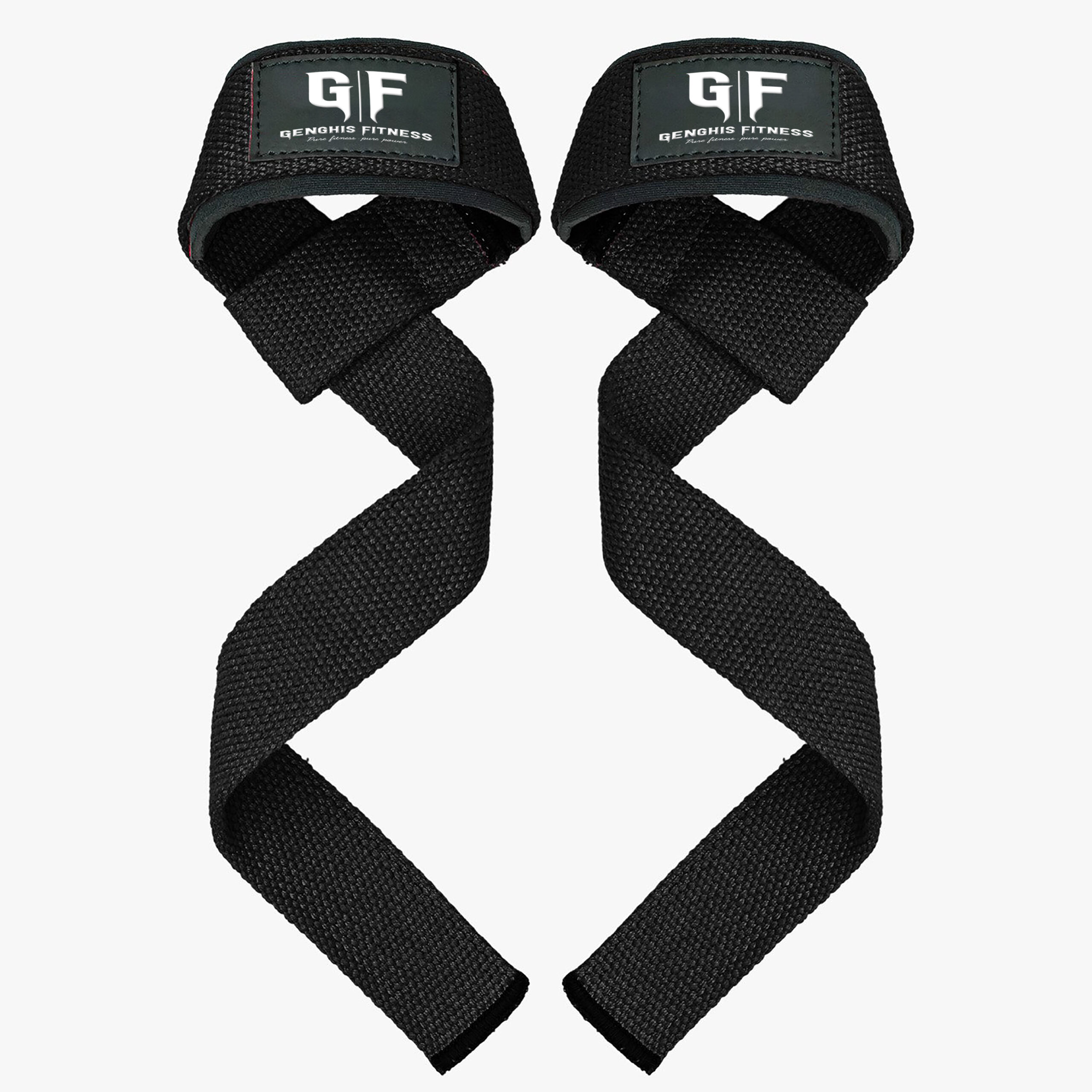
Lifting straps are one of the simplest and most effective pieces of equipment you can add to your training kit, yet a surprising number of people use them incorrectly and get only a fraction of the benefit they should. When used properly, straps take your grip completely out of the equation on pulling movements, allowing your back, hamstrings, and traps to work to their true capacity without being limited by forearm and finger fatigue. Quality lifting straps from Genghis Fitness are purpose-built for exactly this application, and learning to use them correctly makes a measurable difference in your pulling performance within the first session.
The core function of a strap is to create a mechanical connection between the bar and your wrist that does not depend on finger strength. Rather than the load running through your fingers, through your palm, and into your forearm, the load runs through the strap wrapped around the bar and directly into the wrist and forearm. This means your forearm muscles, already taxed from any previous grip work in the session, are no longer the weak link between the floor and the weight. Research in the Journal of Human Kinetics demonstrated that grip fatigue significantly reduces total volume output on compound pulling exercises before target muscles are fully fatigued. Straps solve that problem directly.
Types of Lifting Straps: Choosing the Right One
Loop Straps
Standard loop straps are a simple length of nylon or cotton webbing with a loop sewn at one end. You thread the tail of the strap through the loop to create a noose that tightens around your wrist. Then you wrap the remaining length of the strap around the bar before gripping it. Loop straps are the most versatile type, compatible with every pulling exercise from deadlifts to cable rows, and they release quickly in an emergency because unwrapping the strap takes only a moment. They are the first strap type most lifters should own.
Figure-8 Straps
Figure-8 lifting straps form a figure-eight shape that loops around both the bar and the wrist simultaneously, locking the hand to the bar in a way that standard straps cannot match. This design is preferred for extremely heavy deadlifts and rack pulls where maximum security is needed and the lifter does not need to release the bar quickly. The tradeoff is that figure-8 straps do not release as easily as loop straps, making them less suitable for exercises where dropping the bar is a safety consideration. Serious deadlifters often own both types and choose based on the movement.
Leather Lifting Straps
Leather lifting straps offer superior durability and a more rigid grip surface compared to nylon or cotton. The leather does not stretch under load, which provides a more consistent and secure connection to the bar across every rep. Leather molds to the bar and your hand over time, creating a custom-feeling fit. For lifters who train heavy pulling movements multiple times per week, leather straps outlast fabric alternatives significantly. They require occasional conditioning with leather oil to stay supple, but a quality pair handles years of regular training with no loss in performance.
Step-By-Step: How to Put On and Use Lifting Straps Correctly
Step 1: Thread the Loop
Take one strap and thread the tail end through the loop at the opposite end to form a noose. The loop should be large enough to slide over your hand but snug enough to tighten securely around the wrist without slipping. Slide the noose over your wrist and position it so the tail of the strap hangs from the palm side of your hand, not the back of the hand. The strap should sit just below your wrist bone, not around the middle of your forearm.
Step 2: Wrap the Bar
With the strap tail hanging from your palm, place your hand on the bar with the strap tail underneath the bar. Using your free hand to assist, wrap the tail of the strap around the bar in the direction away from you, completing one to three full wraps depending on the strap length and bar diameter. The more wraps, the more secure the connection, but more wraps also means a slightly slower release. One to two wraps is standard for most pulling exercises. Three wraps are used by experienced lifters on maximum effort deadlifts.
Step 3: Roll the Bar Into Position
Once the strap is wrapped around the bar, roll the bar toward you slightly. This motion tightens the strap against the bar and pulls your palm firmly against the wrap. Now grip the bar normally on top of the wrapped strap. The grip you are using on top of the strap should feel secure and tight. The strap is now bearing the load, not your fingers. Take your breath, brace your core, and execute the lift.
Step 4: Releasing the Straps
To release from the bar at the end of a set, simply open your hands and let the bar roll away from you. The strap will unwind naturally as the bar rolls. Do not try to unwrap the strap while the bar is still loaded. Set the bar down or return it to the rack, open your grip, and let it unwind on its own. This is particularly important for safety during deadlifts: never attempt to remove a strap mid-rep.
Best Exercises to Use Lifting Straps On
Deadlifts and Romanian Deadlifts
The deadlift is the primary application for most lifters. Once the weight climbs above 70 to 80 percent of your one-rep maximum, grip becomes the limiting factor for many people, particularly those who also train their forearms directly or who do significant pull-up and row volume. Straps on the deadlift and Romanian deadlift allow you to train at your true strength level. Note that competitive powerlifters competing in tested federations cannot use straps in competition, so they often use straps only on accessory and volume work, training their raw grip separately. For everyone else, strapping up on heavy pulls is just smart training.
Barbell and Dumbbell Rows
Any row variation where the weight is heavy enough to cause grip fatigue before the target muscles fail benefits from straps. Bent-over barbell rows, chest-supported rows, single-arm dumbbell rows, and Pendlay rows all fall into this category at sufficient loads. Using straps on these movements means every rep of every set is focused on the back muscles you are targeting, not on your ability to hold on.
Rack Pulls and Shrugs
Rack pulls and heavy shrugs require very heavy loads relative to most other exercises, making grip failure nearly inevitable without assistance at true working weights. Straps are essentially mandatory for anyone training these movements seriously. For maximum security on extremely heavy rack pulls, many lifters switch from loop straps to figure-8 straps which create an even more locked-in connection to the bar.
Lat Pulldowns and Cable Rows
On cable and machine pulling movements, particularly those with higher rep ranges and shorter rest periods, grip accumulates fatigue faster than in free weight work due to the constant tension from the cable. Straps on lat pulldowns, straight-arm pulldowns, and seated cable rows let you extend your sets well past the point where your grip would normally give out, maximizing the mechanical tension on the target muscles.
When Not to Use Lifting Straps
Straps should not be used for every pulling exercise. Training raw grip on lighter sets, during warm-ups, and on exercises at moderate loads builds the hand, forearm, and wrist strength that carries over to sports performance and general functional fitness. Using straps for every pull, including light accessory work and warm-up sets, prevents the development of that base grip strength. The standard guideline is to strap up at 80 percent of your maximum load and above, and train without straps below that threshold.
Never use straps as a substitute for proper form. If the exercise technique breaks down at a given load, strapping up to handle more weight does not fix the problem. Address technique first, then add grip assistance when the movement is clean and controlled. Pair your strap training with wrist wraps for pressing movements to create a complete wrist support system for both pushing and pulling days.
Caring for Your Lifting Straps
Nylon and cotton straps should be hand-washed in cold water with mild detergent every few weeks, or more frequently if you train daily. Sweat and chalk build-up stiffens the fabric and reduces the grip surface texture over time. Lay flat to dry completely before storing. Inspect the loop stitching and the body of the strap for fraying before each session. A strap that is beginning to fray at the loop or along the edges should be replaced before it fails under load.
Leather straps need periodic conditioning with a leather conditioner to stay supple and prevent cracking. Wipe them down after each session with a dry cloth and apply conditioner every four to six weeks. A well-maintained pair of leather lifting straps can outlast several pairs of nylon straps, making them a smart long-term investment for serious lifters.
FINAL WORDS
Lifting straps are a simple tool with a profound impact on training quality. Used correctly, they remove grip as a limiting factor and allow your strongest muscles to do the work they are capable of. Used at the right time, they accelerate progress without sacrificing the grip development that comes from raw training. Learn the wrapping technique, choose the right strap type for your training style, and integrate them strategically into your pulling sessions. Whether you start with standard loop straps or go straight to leather straps, you will feel the difference in your first heavy pulling session.
Certified strength and conditioning specialists with over 10 years of experience in powerlifting, nutrition, and evidence-based fitness content. Based in New York City.