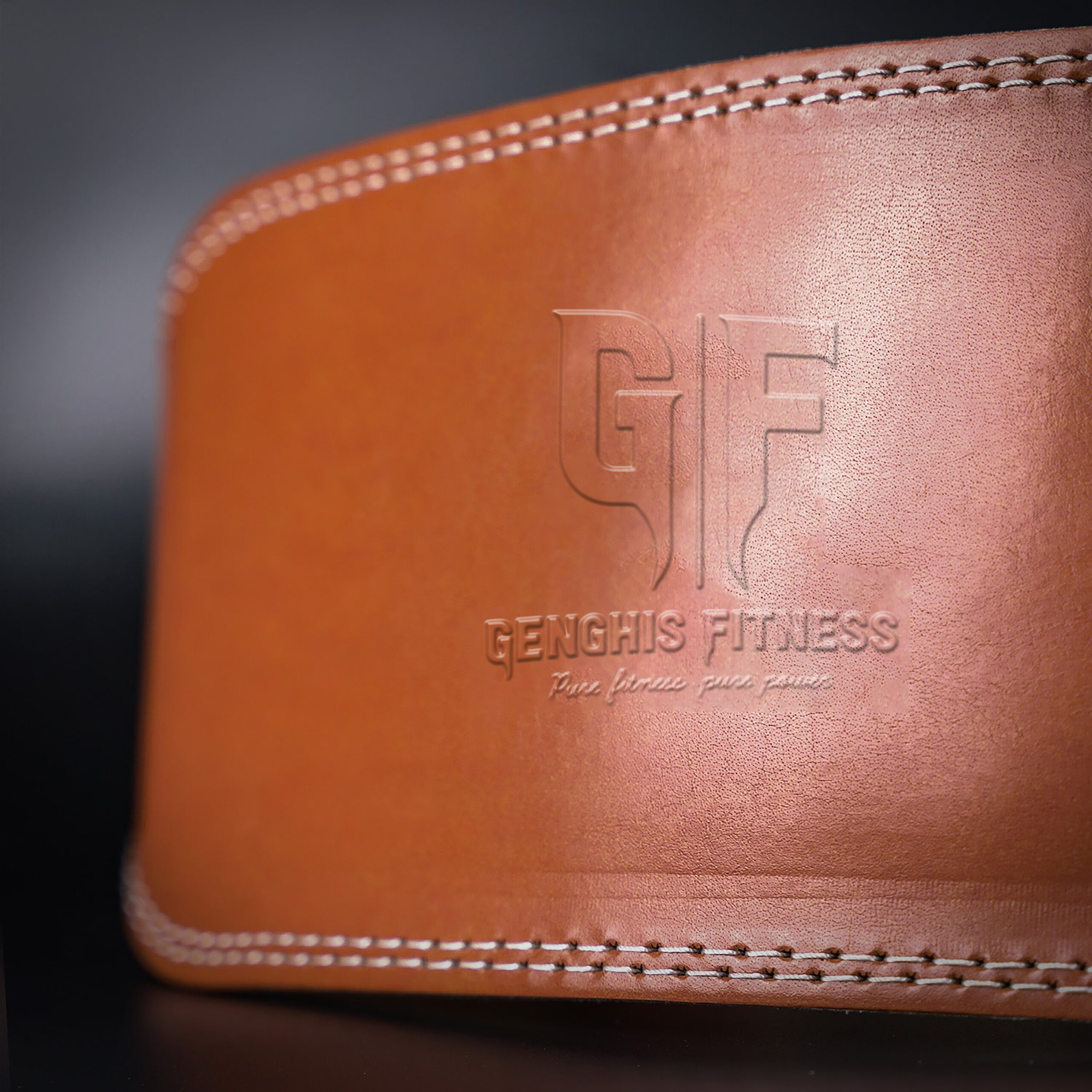
How to Clean a Leather Weightlifting Belt: Step-by-Step Care Guide
A leather weightlifting belt is one of the few pieces of gym equipment that genuinely improves with age when cared for properly. The leather softens, conforms to your body, and develops a broken-in quality that makes it more comfortable and effective than it was new. But that same aging process works against you if the belt is neglected. Sweat, chalk, blood from calluses, and the general grime of a training environment accumulate over time and accelerate leather degradation, cause cracking, and eventually compromise the structural integrity of the belt.
Cleaning a leather weightlifting belt correctly takes about ten minutes and should happen every two to four weeks depending on training frequency. This guide walks through the full process, what products to use, what to avoid, and how to maintain the belt between cleanings so it stays in optimal condition for years.
What Damages Leather Belts
The main enemies of leather are moisture, salt, and UV exposure. Sweat deposited repeatedly on the leather without cleaning introduces salt crystals that abrade the fiber structure from within and draws moisture into the leather in a way that promotes bacterial growth and mold. UV exposure from leaving the belt in direct sunlight dries out the natural oils in the leather, causing stiffness and eventual cracking. Improper cleaning products, particularly those containing alcohol, petroleum distillates, or harsh detergents, strip the natural oils and accelerate the degradation process.
Chalk buildup in the surface texture of the belt is not structurally damaging on its own, but it absorbs additional moisture from sweat and holds it against the leather longer than clean leather would. Cleaning chalk out regularly prevents this moisture-retention problem from compounding over time.
What You Need
For regular maintenance cleaning: a soft cloth or microfiber towel, lukewarm water, a mild saddle soap or leather-specific cleaner, and a quality leather conditioner (neatsfoot oil, mink oil, or a commercial conditioner like Leather Honey or Bick 4). For heavy-duty cleaning of a badly neglected belt: a soft-bristle brush for scrubbing chalk and debris from texture, white vinegar diluted 50-50 with water for mold or mildew, and the same conditioner for after treatment.
Do not use: dish soap, hand soap, rubbing alcohol, WD-40, petroleum jelly in large amounts, bleach, or any product not specifically formulated for leather. These either strip oils, leave residues, or chemically damage the leather fibers in ways that are not immediately obvious but show up as brittleness and cracking within months. The powerlifting leather belt and 4-inch leather belt at Genghis Fitness deserve the same quality care standards as the training they support.
Step-by-Step Cleaning Process
Step 1: Remove Surface Debris
Before any wet cleaning, remove loose chalk, dried salt deposits, and debris from the belt surface using a dry soft brush or dry cloth. Work in circular motions across both the inner and outer surfaces. For belts with significant chalk buildup in the grain texture, a soft-bristle toothbrush gets into the texture without scratching the leather surface. Do this dry step first because wetting chalk before removing it turns it into a paste that is harder to remove.
Step 2: Clean With Saddle Soap or Leather Cleaner
Dampen a soft cloth with lukewarm water and work a small amount of saddle soap or leather cleaner into a light lather on the cloth. Do not soak the cloth. Apply the lather to the belt in circular motions, working one section at a time. The inner surface (which contacts your skin and collects the most sweat) needs the most attention. Work the cleaner into the grain without scrubbing aggressively.
Wipe the cleaned section with a clean damp cloth to remove soap residue. Residual soap left on leather draws moisture and can cause the same surface damage it was meant to clean away. Work through the entire belt, inner and outer surfaces, and the edges. Allow the belt to sit for 5 to 10 minutes after cleaning before applying conditioner.
Step 3: Condition the Leather
This is the most important step that most people skip. Cleaning removes oils from leather along with the dirt. Without reconditioned oils, the leather dries out and becomes stiff and prone to cracking. Apply a thin, even coat of leather conditioner using a clean cloth, working it into the leather in circular motions. Less is more: a thin coat that fully absorbs is better than a thick coat that sits on the surface and becomes sticky.
Allow the conditioner to absorb for 20 to 30 minutes, then buff any excess with a clean dry cloth. If using neatsfoot oil, a very small amount goes a long way. Over-conditioning softens leather excessively and can weaken the fiber structure over time. Condition until the leather feels supple and slightly richer in color, not until it feels greasy.
Step 4: Allow to Air Dry Completely
Never use a hair dryer, direct sunlight, or a radiator to speed drying. High heat destroys the fiber structure and causes permanent stiffening and cracking. Hang the belt in a well-ventilated area at room temperature and allow it to dry completely before storing or using it. Research on leather material science from PubMed and material engineering literature confirms that thermal stress is among the most damaging factors for natural fiber integrity. Depending on ambient humidity, drying takes 1 to 3 hours.
Dealing With Mold and Mildew
If a belt has been stored damp or left in a bag for extended periods, mold or mildew may develop. A white, powdery or slightly fuzzy growth on the surface is the telltale sign. Treat affected areas with a cloth dampened with a 50-50 dilution of white vinegar and water. White vinegar kills mold spores without damaging leather at this dilution. After treatment, allow to dry fully, then proceed with the standard cleaning and conditioning process.
Prevent mold by never storing a belt while damp or in a sealed bag after training. Hang the belt to air out after every session before putting it away. A belt that gets ten minutes of air drying after training and is cleaned and conditioned monthly will last many years without mold issues.
Belt Storage and Daily Habits
Store leather belts flat or hanging rather than folded or tightly rolled for extended periods. Folding a leather belt along the same crease repeatedly eventually weakens and cracks the leather at that point. A belt hook, a wide shelf, or hanging from a carabiner on a gear rack are all good storage options. Keep the belt away from direct sunlight and heat sources during storage.
After every training session, wipe the inner surface with a clean dry cloth to remove sweat before storing. This single habit, which takes 30 seconds, significantly extends the time between deep cleanings and prevents the salt buildup that causes the most leather damage over time. Treat your belt the same way you treat your leather lifting straps: a quick wipe after every session keeps them performing at their best indefinitely.
FINAL WORDS
A leather weightlifting belt maintained with regular cleaning, proper conditioning, and correct storage will last decades and improve with age. The maintenance process takes ten minutes every few weeks and protects an investment that pays off every time you step under a bar. Clean it, condition it, store it correctly, and it will remain one of the most dependable tools in your training kit.
Certified strength and conditioning specialists with over 10 years of experience in powerlifting, nutrition, and evidence-based fitness content. Based in New York City.
TRAIN WITH EQUIPMENT THAT MATCHES YOUR EFFORT
Serious strength training demands serious gear. A lever belt, quality straps, and knee sleeves are not accessories. They are tools.
10mm Lever Belt Lifting Straps Knee SleevesFor more on every type of weightlifting belt, sizing guide, and training recommendation, visit the weightlifting belt guides covering leather, lever, neoprene, and nylon options alongside how-to guides and care instructions.