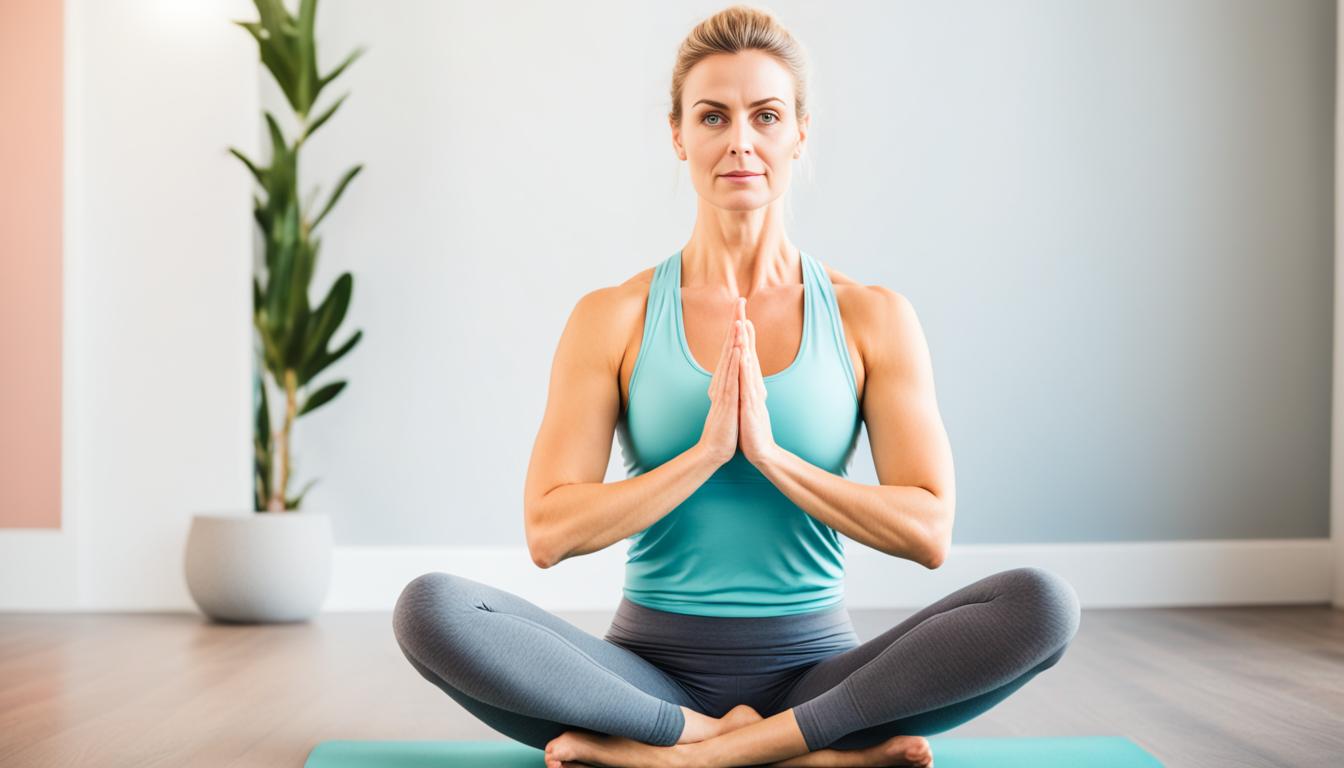
YOGA FOR ATHLETES: HOW THIS ANCIENT PRACTICE MAKES YOU A BETTER, MORE RESILIENT LIFTER
Yoga has a marketing problem in strength training circles. The images associated with it, thin figures in difficult poses in serene studios, do not speak to lifters who spend their training life moving heavy iron. But the practice itself, stripped of the aesthetic, is one of the most effective systems available for addressing the specific physical limitations that accumulate from years of heavy training: compressed spines, tight hip flexors, restricted thoracic mobility, chronically elevated cortisol, and poor breathing mechanics under load. Serious athletes across powerlifting, Olympic weightlifting, and combat sports have quietly built yoga into their weekly practice for decades. This guide explains exactly why and how.
WHAT YOGA ACTUALLY DEVELOPS THAT LIFTING DOES NOT
Strength training builds contractile tissue, neurological efficiency in specific movement patterns, and bone density. It does not build thoracic mobility, hip rotator flexibility, parasympathetic nervous system resilience, or breathing capacity under tension. These are not peripheral qualities. Research published in the Journal of Strength and Conditioning Research found that yoga training produced significant improvements in flexibility, balance, and aerobic capacity in physically active individuals beyond what strength training alone provided. The athletes who operate at the highest levels over the longest careers are typically those who have built physical development across the full spectrum of these qualities, not just the ones that the barbell directly trains.
THE SPECIFIC BENEFITS FOR STRENGTH ATHLETES
THORACIC MOBILITY FOR BETTER OVERHEAD AND SQUAT MECHANICS
Thoracic spine extension restriction is one of the most common limiting factors in both overhead pressing and squat depth. When the upper back cannot extend adequately, the lumbar spine compensates by hyperextending under load, which is a significant injury risk in overhead pressing and one of the causes of excessive forward lean in the squat. Yoga poses like cat-cow, thread the needle, sphinx, and supported fish directly target thoracic extension and rotation mobility in ways that foam rolling and static stretching do not. A thoracic mobility practice of 10 to 15 minutes performed three times per week produces measurable improvements in overhead reach and squat depth within four to six weeks.
HIP FLEXOR FLEXIBILITY FOR SQUATS AND DEADLIFTS
The iliopsoas, the primary hip flexor complex, shortens with prolonged sitting and with heavy hip-dominant training like deadlifts and squats that load the hip in a flexed position. A chronically shortened iliopsoas tilts the pelvis anteriorly, creates compensatory lumbar hyperextension, and limits the hip extension range that is essential for a powerful deadlift lockout and a clean squat pattern at depth. Yoga poses including low lunge, pigeon, and crescent pose hold the hip flexors in a lengthened position for durations long enough to produce genuine fascial release, typically three to five minutes per side. Athletes using a lever belt for heavy squat and deadlift work will notice the difference in hip position and pelvic alignment after consistent hip flexor yoga work within two to three weeks.
SHOULDER MOBILITY FOR PRESSING AND OVERHEAD WORK
Heavy bench pressing and rowing without adequate shoulder mobility work creates anterior capsule tightness and posterior capsule restriction that progressively limits overhead range of motion and increases impingement risk. Yoga shoulder openers including reverse prayer, eagle arms, cow face arms, and dolphin pose address the specific tightness patterns that barbell training creates. Athletes who maintain shoulder mobility through yoga alongside their pressing programs consistently report fewer shoulder overuse issues and better overhead positioning for exercises like military press and snatch. Elbow sleeves protect the joint during heavy pressing sessions while yoga work maintains the mobility that keeps the shoulder healthy across the full range.
BREATHING MECHANICS AND INTRA-ABDOMINAL PRESSURE
The breathing patterns taught in yoga, specifically diaphragmatic breathing and extended exhale techniques, have direct application to bracing mechanics in strength training. The ability to rapidly fill the lungs into the belly and circumferentially expand the torso under load is exactly the mechanism that generates maximal intra-abdominal pressure during a heavy squat or deadlift. Research on diaphragmatic training shows that specific breathing practice improves the capacity to generate and sustain intra-abdominal pressure during loaded tasks. Athletes who practice yoga breathing consistently develop a noticeably more powerful brace that translates directly to heavier safe lifting.
THE BEST YOGA STYLES FOR STRENGTH ATHLETES
HATHA YOGA
Hatha yoga involves holding poses for extended periods with deliberate attention to alignment and breath. It is the most accessible entry point for strength athletes because the pace is slow enough to allow genuine positional exploration and the holds are long enough to produce real fascial change. A basic hatha practice two to three times per week of 30 to 45 minutes addresses mobility, breathing, and parasympathetic activation without creating recovery demands that compete with strength training. This is where most strength athletes should start their yoga practice.
YIN YOGA
Yin yoga uses even longer passive holds, typically three to five minutes per pose, targeting the deep connective tissues, fascia, and joint capsules that shorter active stretching does not reach. For athletes with chronic tightness accumulated over years of heavy training, yin yoga is a targeted intervention for the deep structural restrictions that limit mobility most significantly. Schedule yin practice on rest days or in the evening after training when the body is warm and the nervous system is willing to release tension. A single 60-minute yin session per week addressing the hips, thoracic spine, and shoulders produces cumulative results over eight to twelve weeks that other stretching approaches rarely achieve.
VINYASA YOGA
Vinyasa yoga links breath to movement in flowing sequences that build cardiovascular endurance, body awareness, and functional mobility simultaneously. It is a more athletic style that also serves as active recovery, keeping the body moving through patterns that are different from the linear sagittal-plane movements that dominate most strength training. For athletes who find static stretching mentally unbearable, vinyasa provides the mobility benefits of yoga in a format that feels more like training. One or two 45-minute vinyasa sessions per week as active recovery complements two to three strength training sessions without adding meaningful systemic fatigue.
HOW TO BUILD YOGA INTO A STRENGTH TRAINING SCHEDULE
The practical integration of yoga into a strength training schedule requires treating it as a genuine training priority rather than an optional add-on that gets dropped when the week gets busy. The athletes who benefit most from yoga are the ones who schedule it with the same commitment they give to their lifting sessions. A practical weekly structure for a strength-focused athlete might look like this: three to four lifting days with knee sleeves for leg sessions and lifting straps for pull days, one hatha or vinyasa yoga session on a light training or rest day, and ten minutes of targeted yoga mobility work as a cool-down after two of the lifting sessions.
This structure adds approximately one to two hours of yoga work to a weekly training schedule and produces the mobility, recovery, and breathing improvements that compound across a twelve-week training block into measurably better lifting mechanics, fewer soft-tissue complaints, and greater training longevity. The athletes who resist adding yoga because they see it as soft are typically the same athletes who accumulate the joint restrictions and overuse injuries that eventually force them to train around limitations rather than through full capability.
STARTING YOUR YOGA PRACTICE: PRACTICAL FIRST STEPS
If you have never practiced yoga, start with a beginner-focused class or video series rather than dropping into a general class where the instructor assumes basic familiarity with pose names and transitions. YouTube channels from certified yoga teachers with backgrounds in anatomy or athletic training are a practical free starting point. Aim for two sessions per week in the first month, focusing entirely on following the cues for breath and body position rather than achieving the full expression of any pose. Flexibility and range of motion improve with consistency, not with forcing. The ego management required to start a yoga practice at a beginner level is, ironically, the same mental quality that produces the best long-term results in strength training.
FINAL WORDS
Yoga is not the opposite of strength training. It is the complement that addresses everything lifting systematically ignores: thoracic mobility, hip flexor length, shoulder range of motion, breathing mechanics, and parasympathetic recovery. Athletes who build yoga into their weekly practice alongside consistent strength training with quality gear like knee sleeves, a lever belt, and wrist wraps are building the complete physical infrastructure that keeps them lifting well for decades. Start with two sessions per week. Give it three months. The changes in how you move, how you recover, and how you perform under load will make the case better than any argument.
Certified strength and conditioning specialists with over 10 years of experience in powerlifting, nutrition, and evidence-based fitness content. Based in New York City.