ROSE TEA: THE FLORAL BEVERAGE WITH REAL ANTIOXIDANT AND HORMONAL HEALTH BENEFITS
Rose tea is made from dried rose petals, rose buds, or rosehips, and each preparation delivers a genuinely distinct nutritional and bioactive profile. Most people encounter rose tea as a fragrant, pleasantly flavored caffeine-free option without much expectation of function. That underestimation is a mistake. Rose preparations contain a specific set of polyphenols, essential oil compounds, and vitamins that have been studied for anti-inflammatory, antioxidant, antimicrobial, and mood-modulating effects with increasingly interesting results.
WHAT ROSE TEA CONTAINS
Rose petals contain significant concentrations of anthocyanins including cyanidin and pelargonidin glycosides, which give red and pink roses their color and contribute antioxidant activity comparable to other anthocyanin-rich sources. The polyphenol fraction also includes kaempferol, quercetin, and ellagic acid alongside gallic acid and several hydroxycinnamic acid derivatives.
The essential oil fraction of roses includes geraniol, citronellol, nerol, linalool, and phenyl ethanol. Many of these compounds interact with the olfactory and limbic systems in ways relevant to mood and stress response. Studies indexed on PubMed have confirmed the bioavailability of rose polyphenols from oral consumption, establishing their systemic effects beyond the aroma experience.
Rosehip-based rose tea provides substantially more vitamin C than petal-based preparations. For the highest vitamin C delivery from a rose preparation, see our dedicated rosehip tea guide which covers the clinical evidence for joint inflammation and cardiovascular effects in detail.
ANTIOXIDANT ACTIVITY
Rose petal anthocyanins and ellagic acid together produce antioxidant capacity that has been measured in standardized assays confirming rose tea as a meaningful dietary antioxidant source. Ellagic acid specifically is converted by gut bacteria to urolithins, compounds that have demonstrated anti-cancer and anti-inflammatory activity in cell and animal research.
The urolithin pathway is shared with pomegranate and blackberries. Regular consumption of ellagic acid-rich foods and beverages including rose tea contributes to the cumulative urolithin production that emerges over months of consistent intake, making rose tea a complementary addition to a broader polyphenol-rich diet rather than a standalone antioxidant strategy.
ANTI-INFLAMMATORY AND ANTIMICROBIAL EFFECTS
Quercetin and kaempferol in rose petals inhibit NF-kB activation and reduce pro-inflammatory cytokine production through mechanisms well-characterized across these flavonol compounds generally. Rose petal extract has also demonstrated activity against several bacterial pathogens in laboratory settings, including Staphylococcus aureus, E. coli, and Salmonella species.
The gallic acid content contributes antiviral activity documented against several respiratory viruses in laboratory studies. For athletes who want to stack anti-inflammatory beverages across the day, rose tea in the afternoon alongside morning ginger tea and post-training turmeric tea covers three distinct anti-inflammatory mechanisms without caffeine at any point.
MOOD AND STRESS MODULATION
Rose essential oil compounds, particularly 2-phenylethanol and geraniol, interact with olfactory receptors connected to the limbic system and have demonstrated anxiolytic effects in multiple studies when inhaled. Several controlled studies found rose aroma reduced physiological stress markers including heart rate and blood pressure and improved subjective mood scores compared to control conditions.
Drinking rose tea provides both the olfactory component during consumption and the systemic absorption of linalool and phenylethanol through the gastrointestinal route. Linalool’s GABA-A receptor activity, shared with lavender, contributes mild anxiolytic effects. For a comprehensive approach to herbal teas for mood and relaxation, rose tea pairs naturally with lavender tea and chamomile tea in an evening rotation.
MENSTRUAL HEALTH AND PAIN RELIEF
Rose tea has a well-established traditional use across Middle Eastern, South Asian, and East Asian cultures specifically for menstrual pain relief and cycle regulation. A randomized trial found that rose tea significantly reduced the pain, anxiety, and fatigue associated with primary dysmenorrhea compared to a control condition over two menstrual cycles.
The mechanism involves the antispasmodic effects of rose essential oil compounds on uterine smooth muscle combined with the anti-inflammatory action of the polyphenol fraction. For women dealing with painful periods who are building a dietary approach alongside or before medical treatment, rose tea combined with spearmint tea addresses both the pain and the potential hormonal contributors to dysmenorrhea through complementary pathways.
DIGESTIVE AND IMMUNE BENEFITS
Rose petals contain pectin, a soluble fiber with prebiotic properties that supports beneficial gut bacteria populations. The tannin content provides mild astringent effects on the gastrointestinal mucosa that have been used traditionally for diarrhea management. The combination of mild astringency and prebiotic fiber makes rose tea useful for gastrointestinal recovery after digestive disturbance.
The vitamin C from petal-based rose tea supports immune function and collagen synthesis. While the concentration is lower than rosehip-based preparations, it still contributes to the daily vitamin C intake relevant for immune resilience and connective tissue maintenance in athletes under consistent training loads.
HOW TO PREPARE ROSE TEA
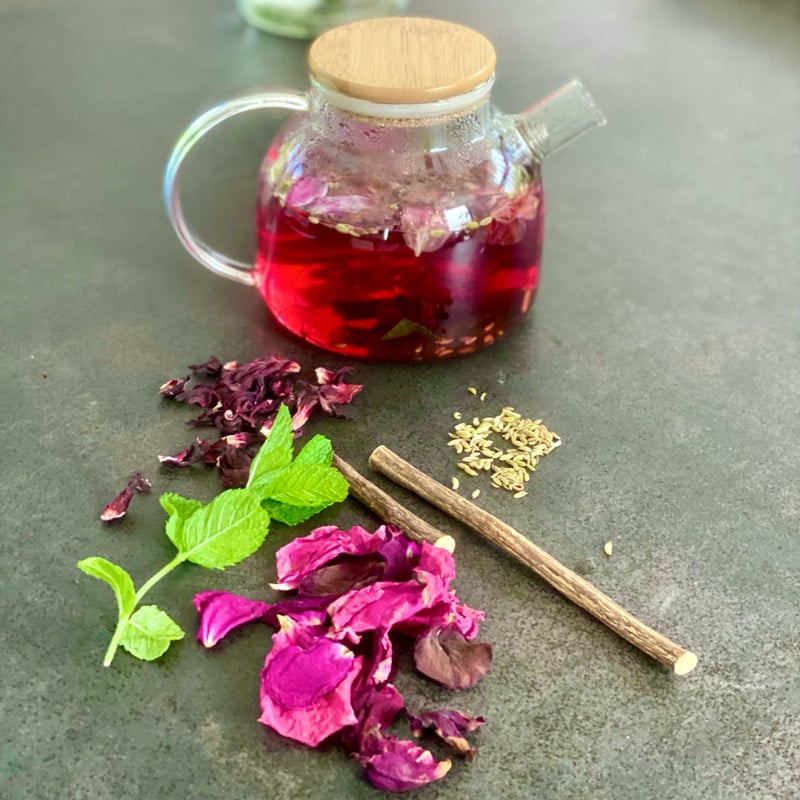
Steep one to two tablespoons of dried rose petals or five to eight dried rose buds in 90 degree water for five to seven minutes. The color extracts quickly and the flavor should be floral, slightly sweet, and mildly astringent. Use culinary grade dried roses rather than ornamental flowers, which may carry pesticide residues not intended for consumption.
Rose tea blends naturally with rosehip for vitamin C enhancement, hibiscus for tartness and deeper color, or chamomile for a calming evening preparation. Two cups daily is appropriate for general health maintenance and the anti-inflammatory applications.
PRACTICAL NOTES FOR ATHLETES
Rose tea’s caffeine-free profile and pleasant flavor make it one of the easiest herbal teas to maintain as a daily habit without scheduling considerations. Morning, afternoon, and evening use are all appropriate depending on the goal. Post-training consumption adds antioxidant and anti-inflammatory compounds to the recovery window. Evening consumption supports the stress modulation and sleep preparation function relevant to athletes managing high training loads and corresponding cortisol levels.
Athletes focused on comprehensive anti-inflammatory nutrition should also explore the broader herbal tea health benefits overview for a systematic picture of which teas address which specific mechanisms.
ROSE TEA VARIETIES AND HOW THEY DIFFER
Rosa damascena, the Damascus rose, is the most widely used rose species for tea production and the variety with the highest essential oil content. Rosa canina, the dog rose, produces the vitamin C-rich rosehips that form the basis of rosehip tea preparations with distinct bioactive profiles from petal-based preparations. Rosa centifolia and Rosa gallica are additional species used for culinary and medicinal preparations across different regional traditions. The specific species used affects the polyphenol, essential oil, and vitamin content of the resulting tea, with Rosa damascena typically producing the most fragrant and medicinally complex petal infusion.
For home preparation, organic dried rose petals or buds from a reputable culinary supplier provide the safest and most consistent source. Grocery store floral roses are heavily treated with pesticides and fungicides not intended for consumption and should never be used for tea. Growing culinary roses at home in a container provides a reliable pesticide-free supply during the growing season. Standard hybrid tea roses cultivated for cut flower production are generally less aromatic and less polyphenol-dense than heritage varieties like Rosa damascena or Rosa centifolia that were bred for essential oil production rather than visual appearance alone.
Rose tea is one of the few herbal preparations where the pleasure of the experience and the functional value align perfectly. The fragrance, the color, and the flavor are all intrinsically enjoyable without any health motivation needed to sustain the habit. This makes rose tea unusually easy to incorporate consistently compared to more medicinally-intense preparations that require deliberate commitment to maintain. When the daily ritual is pleasant in its own right, the consistency that generates health benefits becomes automatic rather than effortful. Building a daily rose tea habit costs almost nothing, requires minimal preparation, provides genuine bioactive value through its polyphenol and essential oil content, and creates a reliable moment of intentional calm in the daily routine that has its own psychological value beyond the compounds it delivers.
Certified strength and conditioning specialists with over 10 years of combined experience in powerlifting, nutrition coaching, and evidence-based fitness content. Based in New York City, the Genghis Fitness team tests every protocol in the gym before writing about it.