HEALTH BENEFITS OF CHAGA TEA: THE MEDICINAL MUSHROOM WITH AN EVIDENCE BASE WORTH KNOWING
Chaga is not a plant. It is a parasitic fungus, Inonotus obliquus, that grows primarily on birch trees across the boreal forests of Russia, Siberia, Canada, Alaska, and Scandinavia. The dense, dark conk that forms on infected birch trees has been used in Russian and Siberian folk medicine for centuries, most commonly as a tea made by grating or grinding the dried fungus and steeping it in hot water. In recent years chaga has become one of the most commercially prominent functional mushrooms in the Western wellness market, and the research on its bioactive compounds has grown substantially alongside its commercial profile. This guide evaluates what the current evidence actually supports, where it is preliminary, and what you should understand before making chaga tea part of your routine.
THE BIOACTIVE COMPOUNDS IN CHAGA
Chaga’s primary bioactive compounds fall into several categories. Betulin and betulinic acid are triterpenoids that chaga derives from its birch tree host. Both have demonstrated significant anticancer properties in cell studies, though the clinical translation of these findings is not yet established. Inotodiol and other ergosterol derivatives contribute antiviral activity that has been documented in laboratory settings against several viruses including influenza and hepatitis C. Melanin complexes, responsible for chaga’s distinctive dark coloration, are among the most powerful antioxidants found in any natural material. Polysaccharides including beta-glucans provide immunomodulatory effects similar to those documented in other medicinal mushrooms. Oxalic acid is also present in significant quantities, which has safety implications discussed below. Studies indexed through PubMed have characterized chaga’s compound profile in detail across multiple geographic sources and preparation methods.
ANTIOXIDANT ACTIVITY: AMONG THE HIGHEST MEASURED
Chaga consistently measures at the highest levels of antioxidant activity of any natural substance tested in standardized assays. The melanin complexes unique to chaga produce ORAC values dramatically higher than any plant-based antioxidant source. This extraordinary antioxidant capacity has generated significant research interest because of the potential implications for managing oxidative stress-related diseases. In vitro and animal studies confirm that chaga extracts reduce oxidative damage markers in multiple tissue and cell models. Whether drinking chaga tea delivers enough of these antioxidant compounds to produce meaningful systemic antioxidant effects in humans at realistic consumption levels is less definitively established, as the bioavailability of chaga’s melanin complexes through oral consumption has not been as thoroughly characterized as the bioavailability of catechins from green tea or polyphenols from berries.
IMMUNE SYSTEM MODULATION
Chaga’s beta-glucan content provides immunomodulatory activity similar to that documented in other medicinal mushrooms including reishi, lion’s mane, and turkey tail. Beta-glucans interact with toll-like receptors and dectin-1 receptors on immune cells, activating macrophages, natural killer cells, and dendritic cells and enhancing the innate immune response against pathogens and abnormal cells. Several animal studies have found that chaga polysaccharide extracts stimulate immune cell activity and improve resistance to infection models. A small number of human studies have found immunostimulatory effects from functional mushroom preparations broadly, with some data specific to chaga. For healthy individuals seeking general immune support rather than treatment of specific disease, the beta-glucan content of chaga tea provides a mechanistically well-supported basis for this application.
POTENTIAL ANTI-CANCER PROPERTIES: UNDERSTANDING THE EVIDENCE LIMITATIONS
Chaga’s anticancer properties are the area of its most active research and also the area where the most important distinctions between laboratory findings and clinical application need to be made clearly. Betulinic acid derived from chaga demonstrates selective cytotoxicity against cancer cells in laboratory conditions, inducing apoptosis in multiple cancer cell lines without the same toxic effect on normal cells. Numerous in vitro and animal studies have found anticancer effects from chaga extracts across multiple cancer types. These findings are scientifically interesting and worthy of continued investigation. However, no human clinical trials have established that chaga tea or chaga supplementation prevents, treats, or reduces the progression of cancer in humans. The gap between compelling laboratory findings and proven clinical benefit is a common pattern in cancer research, and chaga has not cleared the clinical trial bar that would support anticancer health claims for human consumption. Chaga tea should not be used as a cancer treatment or as an alternative to evidence-based oncological care.
SAFETY CONSIDERATIONS: THE OXALATE ISSUE
Chaga contains oxalic acid at levels that are significantly higher than most food and beverage sources, which represents a meaningful safety consideration for regular consumers. Oxalates can contribute to kidney stone formation in susceptible individuals, and several case reports have documented acute kidney injury and oxalate nephropathy in people consuming large quantities of chaga tea daily over extended periods. This risk is dose-dependent: occasional or moderate chaga tea consumption, typically one to two cups several times per week rather than daily, poses considerably less oxalate risk than the multi-cup daily consumption documented in the kidney injury cases. Individuals with a history of kidney stones, particularly calcium oxalate stones, should avoid chaga entirely or consult a nephrologist before use. People with autoimmune conditions should also use caution as the immune-stimulating properties of chaga could theoretically exacerbate autoimmune activity.
PRACTICAL PREPARATION AND CONSUMPTION GUIDELINES
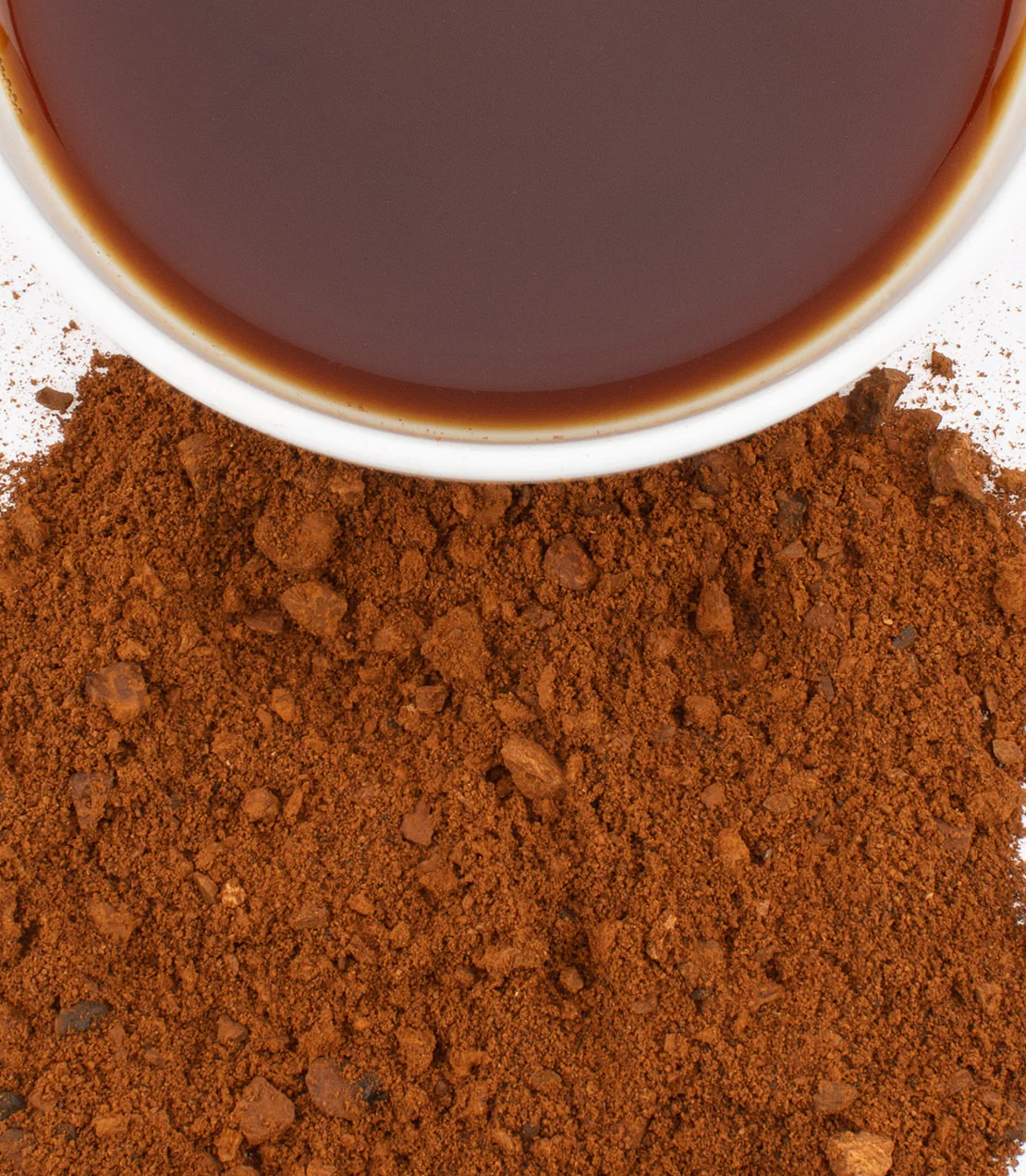
Chaga is typically prepared by grating or powdering the dried fungus and simmering two to three grams per liter of water at low heat for one to two hours, which extracts the beta-glucans and triterpenes more completely than simple steeping. The resulting tea has a mild, slightly earthy, faintly vanilla-like flavor that many people find pleasant without sweetening. Chaga chunks can also be reused for multiple preparations by simmering until the tea runs pale. For the average healthy adult interested in chaga’s immune and antioxidant benefits, consuming it two to three times weekly rather than daily moderates the oxalate exposure while still providing regular bioactive compound delivery. Avoid purchasing chaga harvested from dead or dying trees, as the bioactive compound profile degrades significantly in post-mortem fungal material. Source from reputable suppliers with verified wild harvest or cultivation standards.
BUILDING CHAGA TEA INTO A FUNCTIONAL MUSHROOM PROTOCOL
Chaga is most effectively integrated into a health-focused beverage routine as part of a broader functional mushroom approach rather than as a standalone intervention. The immune support from chaga’s beta-glucans is complementary to that from lion’s mane, which is more specifically associated with cognitive support and nerve growth factor stimulation, and reishi, which is more specifically associated with cortisol modulation and sleep quality improvement. Rotating between these functional mushroom teas, or blending them at lower individual concentrations, allows a range of mushroom-derived compounds to be consumed without the oxalate accumulation risk that comes from daily high-dose chaga consumption specifically. This rotation approach is consistent with how traditional practitioners in Russian and Siberian medicine used functional mushrooms: as seasonal or periodic preparations for specific purposes rather than as daily fixed supplements consumed indefinitely.
The preparation quality of chaga products varies enormously in the commercial market. Whole dried chaga chunks are the most complete preparation but require the longest extraction times to release beta-glucans adequately. Dual-extraction chaga powders, processed using both hot water and alcohol extraction methods, provide the most comprehensive bioactive compound profile because water-soluble polysaccharides and alcohol-soluble triterpenes are both captured in the final product. Single hot-water extractions, which is what a standard home-brewed chaga tea provides, primarily deliver the polysaccharides and melanin complexes while underdelivering on the betulinic acid and inotodiol triterpenoid fraction. For the tea drinker primarily interested in immune support and antioxidant activity rather than the full triterpene profile, a simple hot water chaga tea is sufficient. For those specifically interested in the triterpenoid fraction, a dual-extraction powder product delivers a more complete compound profile than home brewing alone.
Certified strength and conditioning specialists with over 10 years of combined experience in powerlifting, nutrition coaching, and evidence-based fitness content. Based in New York City, the Genghis Fitness team tests every protocol in the gym before writing about it.
If you are exploring herbal teas for health benefits, also see our guides on green tea benefits and peppermint tea — both have strong evidence bases for daily wellness use.
COMPLETE YOUR TRAINING TOOLKIT
Your health routine starts with what you drink. Your training gains start with the right equipment. Lifting straps keep grip from limiting your heaviest pulling work.
Shop Lifting Straps