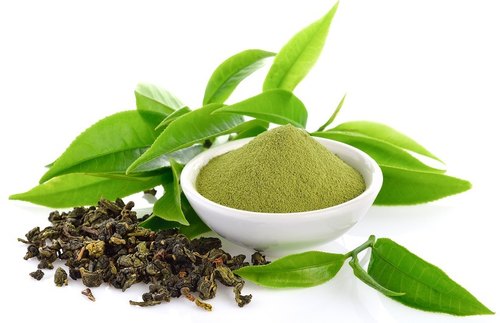
HEALTH BENEFITS OF GREEN TEA: THE MOST STUDIED BEVERAGE IN NUTRITIONAL SCIENCE
Green tea has accumulated a larger body of scientific research than virtually any other beverage on earth. Consumed daily by billions of people across East Asia, the Middle East, and increasingly throughout the US and Europe, it has been the subject of thousands of studies examining its effects on everything from cancer prevention to cardiovascular health to cognitive function to athletic performance. Not all of these findings are equally robust, and the gap between green tea’s most enthusiastic promotional claims and what the evidence reliably supports is worth understanding before making it a central component of a health strategy. This guide focuses on the best-supported benefits with the clearest mechanistic and clinical backing.
THE BIOACTIVE COMPOUNDS IN GREEN TEA
Green tea’s primary bioactive compounds are catechins, a class of polyphenol flavanols. Epigallocatechin gallate, commonly abbreviated EGCG, is the most abundant and most studied catechin in green tea and is responsible for a large share of its documented health effects. Other catechins include epicatechin gallate, epigallocatechin, and epicatechin. Green tea also contains caffeine, typically 25 to 50 milligrams per cup depending on variety, steeping time, and preparation method. L-theanine, an amino acid found almost exclusively in tea plants, is present at 20 to 40 milligrams per cup and interacts synergistically with caffeine to produce focused, calm alertness. Additional compounds include quercetin, kaempferol, and myricetin. The full polyphenol profile produces antioxidant capacity that multiple population studies and clinical trials indexed through PubMed have linked to significant health outcomes.
CARDIOVASCULAR HEALTH: THE STRONGEST EVIDENCE
Green tea’s cardiovascular benefits are among its most consistently documented effects across epidemiological and clinical research. Large population studies from Japan, where green tea consumption is among the highest globally, consistently show associations between regular green tea consumption and reduced risk of cardiovascular disease, stroke, and cardiovascular mortality. A meta-analysis published in the American Journal of Clinical Nutrition found that each additional cup of green tea per day was associated with a 4 percent reduction in all-cause mortality and a 5 percent reduction in cardiovascular mortality. Clinical trials have demonstrated reductions in LDL cholesterol, improvements in endothelial function, reductions in blood pressure, and decreased platelet aggregation from regular green tea consumption. The EGCG content appears to be the primary driver of these effects through multiple complementary mechanisms including antioxidant protection of LDL particles, enhancement of nitric oxide bioavailability, and inhibition of inflammatory signaling in vascular tissue.
METABOLIC EFFECTS AND BODY COMPOSITION
Green tea’s effects on metabolism and body composition have attracted substantial research attention. EGCG inhibits catechol-O-methyltransferase, the enzyme that degrades norepinephrine, which increases thermogenesis and fat oxidation. Several meta-analyses of clinical trials have found that green tea catechin supplementation produces modest but statistically significant reductions in body weight and waist circumference compared to placebo. The magnitude of effect is modest, approximately 0.2 to 0.5 kilograms of body weight reduction per 12-week trial in most analyses, and green tea is not a meaningful weight loss intervention on its own. However, the fat-oxidation enhancing properties are relevant for athletes, with studies showing increased fat utilization during moderate-intensity exercise following acute green tea catechin consumption. This effect supports body composition management and endurance performance in the context of an overall training and nutrition program that is already optimized for the athlete’s goals.
COGNITIVE FUNCTION AND NEUROPROTECTION
The L-theanine and caffeine combination in green tea produces effects on cognitive performance that are better documented than those of either compound alone. Multiple randomized trials have found that the combination improves attention, working memory, and processing speed to a greater degree than caffeine alone. The L-theanine appears to reduce the attentional narrowing and anxiety that caffeine produces at higher doses, resulting in a broader, calmer form of alertness suited to tasks requiring sustained focus. Longer-term neuroprotective effects have been reported in population studies, with regular green tea consumption associated with reduced risk of cognitive decline and lower rates of Alzheimer’s and Parkinson’s disease in several large Asian cohort studies. The proposed mechanisms include EGCG’s ability to reduce amyloid-beta aggregation and its neuroprotective effects against oxidative stress in neuronal tissue.
ANTI-INFLAMMATORY AND ANTIOXIDANT ACTIVITY
EGCG is among the most potent natural antioxidants identified in food sources. It directly scavenges reactive oxygen species and upregulates the expression of endogenous antioxidant enzymes including superoxide dismutase, catalase, and glutathione peroxidase. This dual mechanism of direct scavenging and enhanced endogenous antioxidant capacity makes green tea particularly valuable for managing oxidative stress from training. Studies in athletes have found that green tea catechin supplementation reduces markers of exercise-induced oxidative damage including malondialdehyde and 8-isoprostane, while also attenuating some markers of exercise-induced inflammation. These findings support regular green tea consumption as part of the nutritional recovery strategy for athletes doing high volumes of training.
PRACTICAL CONSUMPTION GUIDANCE
Two to three cups of green tea daily is a consumption level supported by the clinical and epidemiological evidence without excess caffeine intake for most adults. Prepare green tea in water at 70 to 80 degrees Celsius rather than full boiling, as high temperatures degrade EGCG and produce a more bitter, astringent flavor. Steep for two to three minutes. Japanese varieties including sencha, gyokuro, and matcha typically provide higher catechin concentrations than Chinese varieties, though both categories deliver meaningful bioactive content. Matcha, prepared from ground whole tea leaves, provides approximately ten times the EGCG of standard brewed green tea per serving. Avoid adding milk to green tea as the dairy proteins bind to catechins and reduce their bioavailability. Consuming green tea between meals rather than with meals minimizes potential iron absorption interference from the tannin content.
GREEN TEA FOR ATHLETES: SPECIFIC PERFORMANCE AND RECOVERY APPLICATIONS
The evidence for green tea in athletic contexts is better developed than for most other functional beverages. A meta-analysis of studies on green tea and exercise performance found that EGCG supplementation enhanced endurance performance and fat oxidation during aerobic exercise. The proposed mechanism involves EGCG’s inhibition of the enzyme that degrades norepinephrine, increasing fat mobilization from adipose tissue during exercise and reducing reliance on glycogen. For athletes training for endurance sports or focused on body composition, consuming two to three cups of green tea in the hours before training is a practical way to access this fat-oxidation benefit without requiring separate catechin supplementation. The caffeine content provides additional ergogenic benefit through reduced perceived exertion and improved endurance output at relevant doses.
The recovery applications of green tea are equally well-supported. EGCG reduces exercise-induced muscle damage markers including creatine kinase and lactate dehydrogenase in several athlete trials. It attenuates delayed onset muscle soreness severity in some studies and reduces the acute inflammatory response to heavy resistance training, particularly the cytokine-mediated systemic inflammation associated with very high training volumes. Consuming green tea in the post-training window alongside a recovery meal that includes protein and carbohydrates provides the catechin delivery at a time when the body’s antioxidant and anti-inflammatory needs are highest. Two to three cups of high-quality green tea daily represents a simple, evidence-backed addition to a serious athlete’s nutritional protocol that costs almost nothing and requires no logistical complexity beyond brewing a cup of tea.
One more consideration for regular green tea consumers is the interaction between green tea tannins and iron absorption. The catechins in green tea bind non-heme iron in the digestive tract, reducing its absorption when tea is consumed with iron-containing foods. For athletes who depend on iron for oxygen transport and who may already be at the lower end of iron sufficiency from training-related demands, consuming green tea between meals rather than with them is a simple practice that preserves the iron absorption from food while still capturing the full bioactive benefit from the tea. This consideration is most relevant for women athletes, distance runners, and vegetarians who rely on plant-based iron sources, where iron absorption efficiency is already challenged by the lower bioavailability of non-heme iron compared to heme iron from animal sources.
Certified strength and conditioning specialists with over 10 years of combined experience in powerlifting, nutrition coaching, and evidence-based fitness content. Based in New York City, the Genghis Fitness team tests every protocol in the gym before writing about it.
If you are exploring herbal teas for health benefits, also see our guides on green tea benefits and peppermint tea — both have strong evidence bases for daily wellness use.
COMPLETE YOUR TRAINING TOOLKIT
Your health routine starts with what you drink. Your training gains start with the right equipment. Lifting straps keep grip from limiting your heaviest pulling work.
Shop Lifting Straps