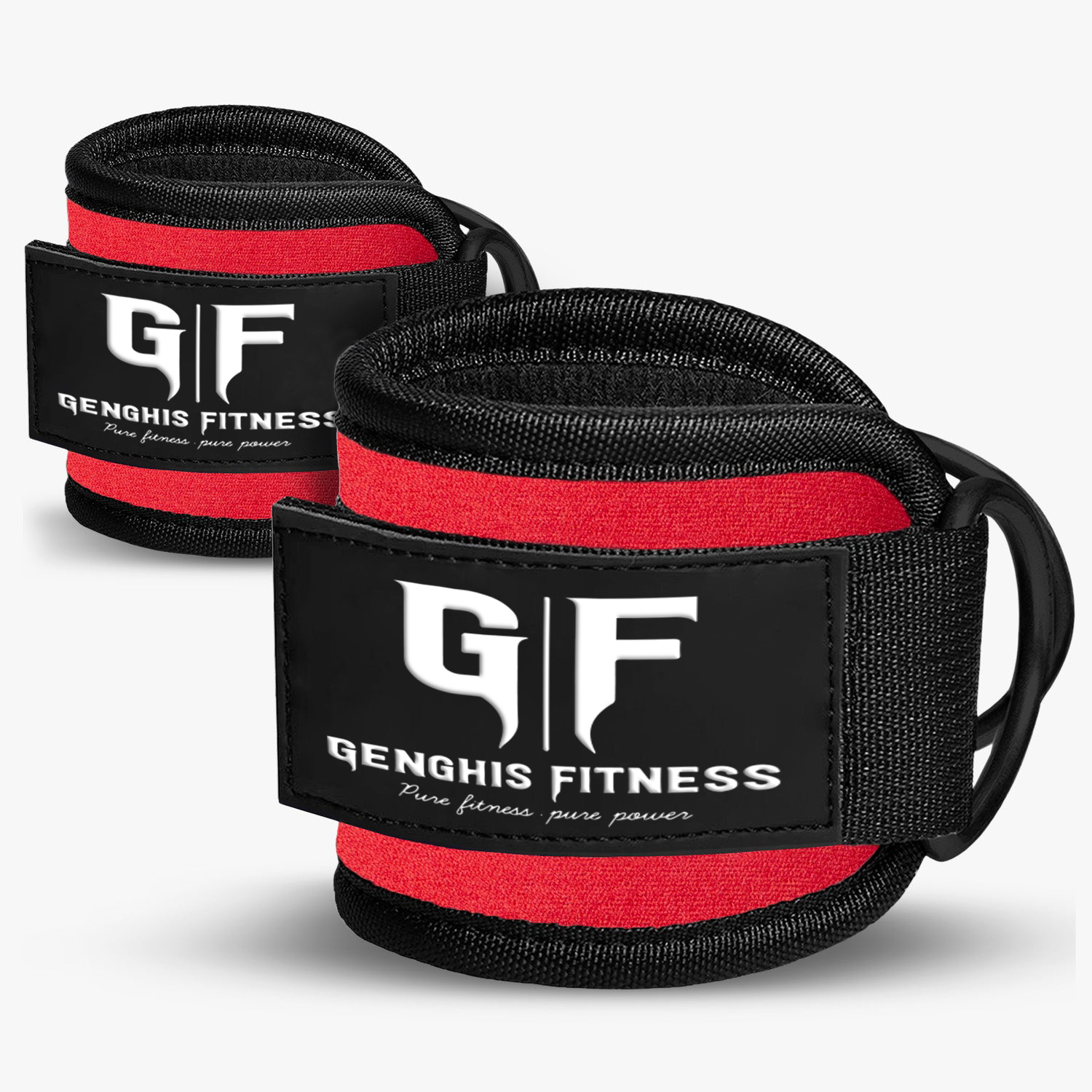
Ankle Straps Storage Solutions: How to Keep Your Gear Organized and Ready to Use
Gym gear that is hard to find is gym gear that does not get used. Ankle straps are small enough to disappear into the bottom of a bag, flexible enough to get tangled with everything else in your kit, and specific enough that most people just leave them at the gym if their facility has a set available rather than carrying their own. That is a missed opportunity because having your own straps means you always have the right fit, the right padding, and clean equipment on every session.
Good storage habits for ankle straps take about thirty seconds to implement and make a real difference in how consistently you actually bring them to the gym and use them. This guide covers practical storage options for home, gym bag, and locker situations, plus a few approaches that keep your entire accessory kit organized rather than just the straps in isolation.
The Core Problem With Most Gym Bag Organization
Most gym bags are a single large compartment with one or two pockets. Everything goes in together, compresses against everything else, and becomes a tangled mess by the time you reach the gym. Ankle straps folded into this environment either get compressed flat, which damages the foam padding over time, or wrap around lifting straps and wraps until they take three minutes to extract before a set.
Research on habit formation from PubMed consistently shows that reducing friction in a behavior makes it more likely to occur. Gear that is disorganized and hard to retrieve creates friction that results in skipping the equipment entirely over time. Organizing your ankle straps so they are immediately accessible removes that friction and makes using them the path of least resistance rather than the extra effort option.
Home Storage Solutions
Gear Hook System
A row of sturdy hooks mounted near your home gym setup or inside a closet dedicated to training gear is the cleanest home storage solution. Hang ankle straps, knee sleeves, lifting straps, and resistance bands each on their own hook. Everything is visible at a glance, nothing is compressed or tangled, and packing for the gym takes thirty seconds because you can see exactly what you have and grab what you need.
Command strips with large hooks work without drilling if you are in a rented space. Heavy-duty hooks screwed into a wall stud handle the weight of any gear you would hang on them. A piece of pegboard in a corner of a garage gym or spare room creates a configurable display system that grows as your gear collection grows.
Clear Bin or Drawer System
If wall space is limited, a set of clear stackable bins or a small set of shallow drawers dedicated to gym accessories works well. Ankle straps get their own bin or drawer compartment. The clear sides mean you see exactly what is there without digging. Label the bins with a label maker or even masking tape and a marker so each category of gear has a fixed home it always returns to.
This system works particularly well for households where multiple people share training gear or where the training space doubles as a living area and open hook displays are not aesthetically appropriate. Clear bins stack efficiently, cost very little, and can be repurposed easily if your storage needs change.
Gym Bag Organization Solutions
Gear Pouch or Small Packing Cube
A dedicated gear pouch for small accessories is the simplest upgrade to gym bag organization available. Small packing cubes designed for travel luggage work perfectly in a gym bag context. Designate one pouch for hand and wrist accessories (straps, wraps, hooks) and a separate one for lower-body accessories (ankle straps, knee sleeves, hip circle bands). Each pouch goes into the same pocket of your gym bag every time.
This system means that when you need your ankle straps mid-session, you open the bag, find the lower-body accessories pouch, unzip it, and have your straps in hand within ten seconds. No digging, no untangling, no delay that breaks your training rhythm. The pouch also protects the accessories from dirt and debris at the bottom of the bag.
Carabiner Clipping System
Many ankle straps have D-rings that accept a carabiner directly. Clipping your ankle straps to a carabiner attached to a bag strap or the exterior of your gym bag keeps them completely accessible and prevents them from getting buried inside the bag. This approach is particularly practical for people who use their straps every session and want the fastest possible access.
Clip the ankle straps alongside your lifting straps and wrist wraps on a shared carabiner ring and you have all your grip and strap accessories in one organized cluster that never gets lost in the bag. Replace the carabiner with a locking variety for security in shared locker room environments.
Locker Organization at Commercial Gyms
If you store gear in a gym locker between sessions, keeping accessories organized within the locker prevents the same tangling and loss problems that occur in a gym bag. A small mesh bag, a zippered pouch, or a hook-and-loop organizer strip stuck to the inside of the locker door keeps ankle straps and other small accessories immediately findable without disturbing the rest of the locker contents.
For people who keep multiple sets of gear at the gym, labeling pouches clearly prevents mix-ups with others who share a locker area. Keeping accessories in their designated pouch also makes it easier to do a quick inventory check before leaving to ensure nothing is left behind. Losing a quality ankle strap or a good set of lifting straps to a locker room mixup is frustrating and entirely avoidable.
Protecting Straps During Storage
Beyond the organizational aspect, storage method affects the condition of the gear itself. Ankle straps with foam padding should never be stored compressed for extended periods. If you fold them tightly and put them under other gear in a drawer or bag, the foam will take a permanent set in that compressed shape and lose its cushioning properties over time. Store them loosely rolled or hanging so the foam retains its original shape.
Keep ankle straps and other neoprene or leather gear out of direct sunlight during storage. UV exposure degrades synthetic materials and dries out leather. A gym bag interior, a gear drawer, or a hook in a closet all provide adequate protection from UV. For leather ankle straps specifically, wrapping them loosely in a soft cloth before storage prevents surface scratches from contact with buckles and metal hardware on other gear in the same storage space.
Building a Consistent Gear Routine
The best storage system is the one you will actually use every time. That means the system needs to be fast enough to implement at the end of a training session when you are tired and ready to go home. Post-session, take thirty seconds to put your ankle straps and other accessories back in their designated pouch or on their designated hook. That thirty-second habit is the entire maintenance of your organization system.
Pair organized gear habits with a complete training kit that covers every session scenario. The ankle straps, knee sleeves, and hip circle bands from Genghis Fitness are built to be used together as a lower-body training toolkit, and keeping them stored together makes sense both practically and from a training preparation standpoint.
FINAL WORDS
Good gear organization is a small habit with a disproportionately large payoff. Ankle straps that are easy to find and access get used. Those buried in the bottom of a bag get skipped. Set up a storage system that takes thirty seconds to use after every session, protect your gear from compression and UV, and your equipment will be in the right place and in good condition every time you need it.
Certified strength and conditioning specialists with over 10 years of experience in powerlifting, nutrition, and evidence-based fitness content. Based in New York City.
For the complete collection of dip belt, arm blaster, and ankle strap guides, visit the gym accessories guides covering every gym accessory that extends what barbells alone cannot provide.