ARM BLASTER COMPARISON: HOW TO CHOOSE THE RIGHT MODEL FOR STRICT CURL ISOLATION AND MAXIMUM BICEP GAINS
What an Arm Blaster Does and Why It Matters
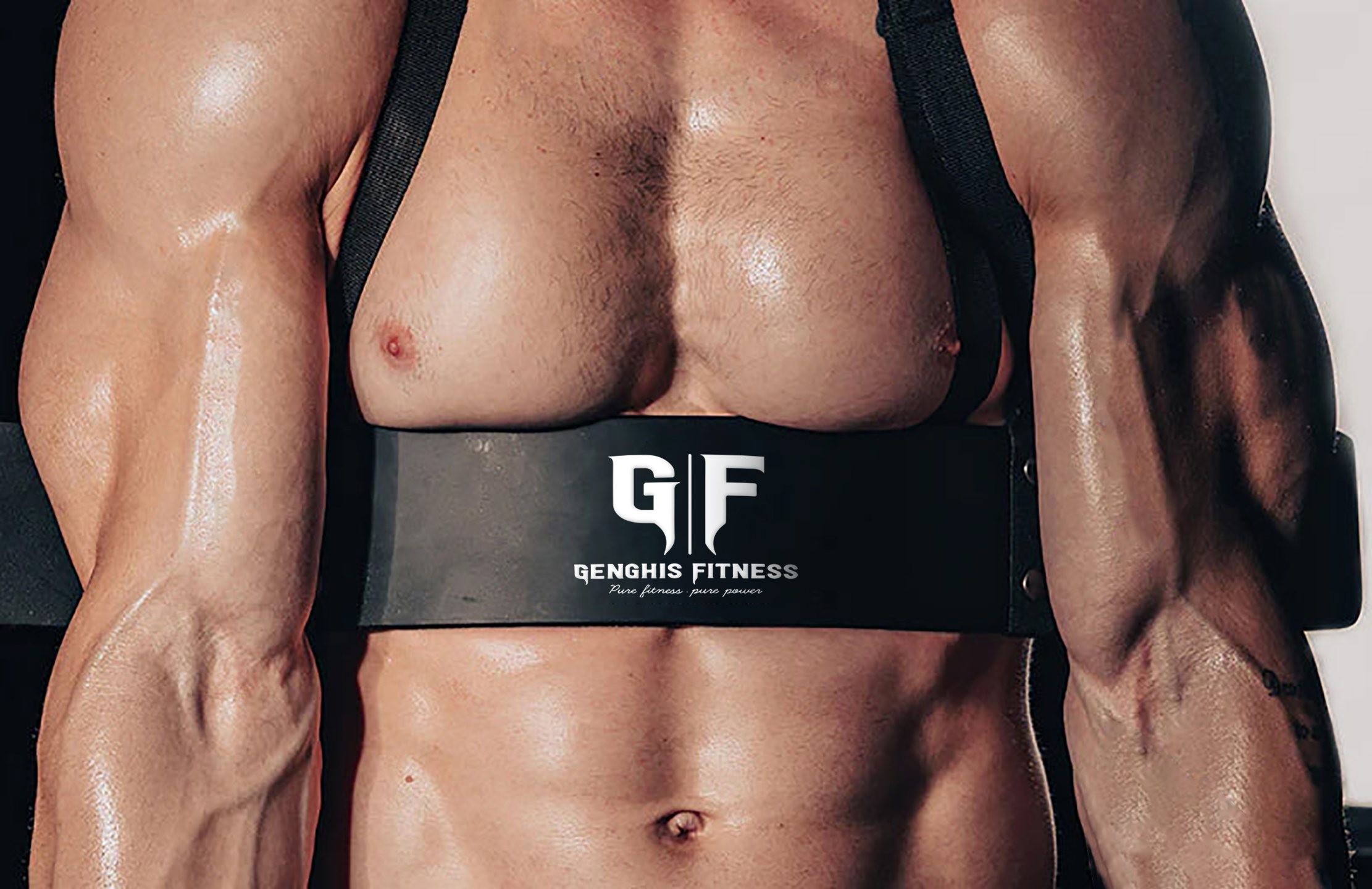
An arm blaster is a curved aluminum or steel plate that straps around the neck and rests against the torso, with padded arm braces that lock the upper arms in place during curling movements. By eliminating the ability to swing the elbows forward, backward, or upward, the blaster forces every rep to be completed with pure bicep effort and zero body English. The result is a dramatically higher isolation stimulus per rep than standard curls allow, at a weight typically 20 to 30 percent lower than the cheating curls most gym goers perform. Research in the Journal of Strength and Conditioning Research confirmed that controlled, strict isolation exercises produce superior hypertrophy outcomes compared to momentum-assisted variations at higher loads. The Genghis Fitness arm blaster applies this principle directly: less weight, more muscle, better results.
The market for arm blasters ranges from budget options made from thin, flexible aluminum that provide minimal actual arm stabilization, to professional-grade models machined from thick aluminum or steel with proper padding and ergonomic curve geometry. Understanding what actually differentiates these options in practice, not just on a spec sheet, is how you choose the model that delivers real results rather than one that sits unused after the first few sessions because it is uncomfortable or ineffective.
Key Features to Compare Between Arm Blaster Models
Material: Aluminum vs Steel
The vast majority of arm blasters are made from aluminum because it provides adequate rigidity at a low weight that keeps the total load comfortable around the neck across a full arm training session. Thin-gauge aluminum blasters, typically 2mm or less, flex visibly when the arm braces are loaded during a heavy curl, which defeats the purpose of the bracing mechanism. Look for blasters made from 3mm or thicker aluminum, which maintains rigid contact with the upper arms without visible deflection under training loads. Steel blasters are heavier but essentially indestructible, and are preferred by athletes who train arms frequently and prioritize durability over weight. For most athletes, a quality thick-gauge aluminum blaster hits the right balance of rigidity and comfort.
Arm Pad Width and Padding Thickness
The arm pads are the contact surface between the blaster and the upper arms. Narrow pads, under 3 inches in width, concentrate the arm bracing force on a small area of the upper arm that can become uncomfortable during extended sets or high-rep training. Wide pads, 4 inches or more, distribute the contact pressure across the full width of the upper arm, making the blaster comfortable enough to wear through an entire arm training session without pad-induced discomfort overriding the training stimulus. Padding thickness matters too: thin foam that bottoms out under arm pressure provides no cushioning benefit and effectively turns the pad into a hard surface. Quality blasters use high-density foam that compresses partially under arm weight but maintains cushioning throughout the set.
Neck Strap Comfort and Adjustability
The neck strap holds the blaster at the correct height against the torso. A strap that is too short positions the arm braces too high, restricting comfortable elbow position. A strap that is too long allows the blaster to hang too low, reducing the effectiveness of the arm stabilization. The ideal strap is adjustable across a range that accommodates different torso heights, with enough adjustment range to dial in the position where the arm braces sit at exactly the level of the lower ribcage when the elbows are at the natural starting position of a curl. Padded neck straps are significantly more comfortable than bare nylon webbing for sessions involving multiple exercises and multiple sets.
Curve Geometry
The curve of the blaster, the degree to which it bows away from the torso at the center, determines how naturally the upper arms rest against the arm braces at a comfortable elbow width. A blaster with insufficient curve forces the upper arms into a narrower-than-natural position, which is uncomfortable and changes the shoulder joint position during the curl. A blaster with too much curve positions the arms too wide and changes the curl mechanics in ways that reduce bicep peak contraction. The correct curve allows the arms to rest at their natural shoulder-width position when the elbows are at 90 degrees of flexion.
Budget vs Mid-Range vs Premium Arm Blasters
Budget Options Under 30 Dollars
Budget arm blasters use thin aluminum construction, basic nylon neck straps, and minimal padding. They are functional in the sense that they do restrict arm swing to some degree, but the flex in thin aluminum under heavy loading, the discomfort of narrow or thin pads, and the lack of neck strap adjustability all combine to produce an experience that limits how heavy and how long you can effectively train with them. For occasional arm training or for testing whether an arm blaster fits your training before committing to a higher-quality model, a budget blaster serves its purpose. For athletes serious about bicep development, the limitations of budget models become apparent quickly.
Mid-Range Options 30 to 70 Dollars
Mid-range arm blasters use thicker aluminum construction, wider arm pads with better-quality foam, and adjustable padded neck straps. The Genghis Fitness arm blaster sits in this tier, providing the construction quality that produces genuine arm stabilization without the premium price of heavy steel professional models. At this price point, the blaster should feel solid and non-flexing under heavy curl loads, the arm pads should be wide enough for all-day comfort, and the neck strap should adjust to accommodate different torso heights without modification. This is the right tier for serious recreational lifters and intermediate to advanced athletes who prioritize arm development.
Premium Options Above 70 Dollars
Premium arm blasters typically use heavy-gauge aluminum or steel construction, thick padded arm braces, ergonomically designed neck padding, and precise curve geometry machined to specific tolerances. They are essentially indestructible under normal training use and designed for daily use across a multi-year training career. The performance difference between a quality mid-range blaster and a premium model is marginal for most athletes. The premium tier makes sense for professional bodybuilders training arms six or more times per week who need equipment that genuinely withstands that frequency of use indefinitely.
How to Use Any Arm Blaster Effectively
Regardless of which model you choose, the effectiveness of an arm blaster depends entirely on using it correctly. The arm braces must maintain contact with the torso throughout every rep. The moment the elbows drift forward of the brace surface at the top of the curl or drop behind it at the bottom, the blaster is no longer providing its stabilization function. Focus on keeping the elbows pressed back against the brace surface from the start of the set to the last rep. This is the cue that separates a productive arm blaster session from one that simply feels different without delivering different results.
Use the blaster for two to three exercises per session: barbell curl, dumbbell hammer curl, and EZ-bar curl are the primary applications. For tricep work, the blaster can be used as a torso brace during overhead dumbbell extensions to maintain upper arm vertical position. Three to four sets of 8 to 12 reps per exercise with a weight that produces genuine muscular fatigue by the final reps is the standard volume for arm blaster training. Pair arm blaster sessions with a weighted dip belt for close-grip dips and you have a complete arms session covering both the bicep isolation the blaster provides and the tricep compound loading that dips deliver.
FINAL WORDS
The arm blaster that delivers results is one with thick-gauge construction, wide padded arm braces, an adjustable neck strap, and the correct curve geometry for your shoulder width. Buy once from a manufacturer that has built these features correctly rather than cycling through budget models that disappoint. The Genghis Fitness arm blaster delivers what serious arm training demands. Use it with strict technique, progressive overload, and consistent frequency, and the bicep development it produces will reflect the quality of the tool and the discipline of the athlete using it.
Certified strength and conditioning specialists with over 10 years of experience in powerlifting, nutrition, and evidence-based fitness content. Based in New York City.
ISOLATE EVERY REP WITH THE RIGHT TOOLS
An arm blaster eliminates cheating. Wrist wraps keep your joints locked and safe on heavy sets.
Wrist WrapsThe full gym accessories guides covers how to load a dip belt, use an arm blaster correctly, and how hip circle bands fit into a lower body warm-up.