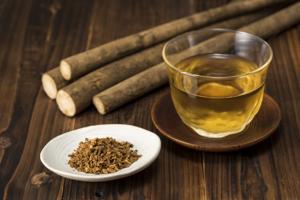
BURDOCK ROOT TEA: THE DETOX HERB WITH REAL SCIENCE BEHIND THE CLAIMS
Burdock root, the deep taproot of Arctium lappa, has a dual identity that reflects its dual cultural heritage. In traditional Japanese and Korean cuisines, it is known as gobo, eaten as a vegetable in stews, stir-fries, and pickles. In Western herbalism, it has been used for centuries as a depurative or blood purifier, attributed with detoxifying properties and liver support effects. The wellness industry’s enthusiasm for burdock root tea has sometimes run ahead of the evidence, but when the research is examined with appropriate rigor, several of burdock’s traditional applications have genuine scientific support that makes it worth taking seriously beyond its current status as a trendy detox ingredient.
WHAT BURDOCK ROOT CONTAINS
Burdock root is primarily composed of inulin, a prebiotic fructooligosaccharide that constitutes 27 to 45 percent of the dried root’s mass and is responsible for its slightly sweet, earthy flavor. Inulin is not digested in the small intestine and reaches the colon intact where it selectively feeds beneficial bacteria populations including Bifidobacterium and Lactobacillus species. Beyond inulin, burdock root contains arctigenin and arctin, lignans with documented antioxidant, anti-inflammatory, and anti-cancer properties. Chlorogenic acid, caffeic acid, and various phenylpropanoid compounds contribute antioxidant activity. Sesquiterpene lactones including arctiopicrin provide mild antimicrobial properties. Bitter compounds including taraxacol stimulate digestive enzyme and bile production. The root also provides potassium, iron, and B vitamins at moderate concentrations. Studies indexed through PubMed have characterized the bioavailability of arctigenin from oral consumption, confirming systemic absorption that supports its evaluation as a functional food compound rather than simply a culinary ingredient.
GUT HEALTH AND PREBIOTIC EFFECTS
Burdock root’s inulin content makes it one of the most potent prebiotic food sources available in the Western diet. Inulin is selectively fermented by Bifidobacterium and Lactobacillus species in the colon, producing short-chain fatty acids including butyrate, propionate, and acetate that have multiple beneficial effects on colonic health, immune function, and systemic metabolism. Butyrate specifically is the primary energy source for colonocytes and has documented effects on reducing colorectal cancer risk, maintaining gut barrier integrity, and reducing systemic inflammation through epigenetic mechanisms. A clinical trial found that inulin supplementation significantly increased Bifidobacterium populations in the colon compared to placebo and improved bowel regularity. Since burdock root tea contains inulin extracted during steeping, its regular consumption provides meaningful prebiotic support that contributes to gut microbiome diversity in a way that few other beverages can match. Athletes who prioritize gut health as part of their recovery and immune function strategy have strong evidence-based reasons to incorporate burdock root tea into their routine.
LIVER SUPPORT AND DETOXIFICATION MECHANISMS
Burdock root’s hepatoprotective reputation is supported by several animal studies and in vitro findings. Arctigenin, the primary lignan compound, has demonstrated protection against liver cell damage from oxidative stress in multiple laboratory models. The bitter compounds that stimulate bile production support liver function by increasing the throughput of bile from the liver, which carries metabolic waste products including bilirubin, conjugated drugs, and fat-soluble toxins into the digestive system for excretion. This bile-stimulating mechanism is genuine and measurable, though it should be understood as supporting normal liver function rather than dramatically accelerating detoxification beyond the liver’s natural capacity. The chlorogenic acid content contributes to liver health through antioxidant protection against lipid peroxidation in hepatic tissue. The overall hepatoprotective profile of burdock root is real but modest at dietary consumption levels, positioning it correctly as a supportive dietary strategy rather than a treatment for liver disease.
ANTI-INFLAMMATORY AND ANTIOXIDANT PROPERTIES
Arctigenin demonstrates significant anti-inflammatory activity in laboratory models through multiple mechanisms including inhibition of NF-kB activation, suppression of iNOS expression that reduces nitric oxide overproduction in inflammatory states, and reduction of pro-inflammatory cytokine release. These mechanisms have been confirmed in cell studies and animal models of acute and chronic inflammation. The phenolic acid content including chlorogenic acid and caffeic acid contributes antioxidant capacity that has been measured in standardized assays confirming burdock root as a meaningful dietary antioxidant source. A study comparing the antioxidant activity of common root vegetables found burdock among the highest-ranked, outperforming carrots and turnips in multiple assay systems. For athletes dealing with the chronic inflammatory load of high training volumes, burdock root tea provides a prebiotic and anti-inflammatory contribution from a single beverage that addresses both gut health and systemic inflammation simultaneously.
BLOOD SUGAR REGULATION AND METABOLIC EFFECTS
Inulin’s metabolic effects extend beyond gut health to blood sugar management. As an indigestible fiber, inulin reduces the glycemic index of any meal it accompanies by slowing gastric emptying and reducing the rate of carbohydrate absorption. This effect reduces postprandial glucose spikes and the associated insulin response. The short-chain fatty acids produced from inulin fermentation, particularly propionate, also have systemic effects on insulin sensitivity and hepatic glucose production that contribute to blood sugar management beyond the gut. Clinical trials of inulin supplementation have consistently found improved fasting glucose, reduced postprandial glycemic response, and improved insulin sensitivity markers compared to controls. The functional food application of burdock root tea with or after carbohydrate-containing meals is therefore consistent with the evidence and may provide meaningful glycemic support for athletes and individuals managing blood sugar through dietary approaches.
SKIN HEALTH APPLICATIONS
Burdock root’s traditional reputation as a remedy for skin conditions including acne, eczema, and psoriasis has some mechanistic support from its anti-inflammatory and blood sugar-modulating properties, though direct clinical evidence for skin improvement from burdock root tea consumption is limited. The proposed mechanism involves the reduction of systemic inflammation and improved gut microbiome health, both of which have demonstrated connections to skin inflammatory conditions in emerging research on the gut-skin axis. The inulin-mediated improvement in gut barrier integrity may reduce the translocation of bacterial products from the gut that have been implicated in driving inflammatory skin conditions in susceptible individuals. A secondary mechanism involves blood sugar stabilization, as elevated insulin and IGF-1 from high-glycemic diets are directly linked to increased sebum production and acne severity. While burdock root tea alone is not a treatment for diagnosed skin conditions, incorporating it into a broadly anti-inflammatory dietary approach is consistent with the mechanistic understanding of diet-skin health connections.
HOW TO PREPARE AND CONSUME BURDOCK ROOT TEA
Burdock root tea is prepared either from fresh root or from dried root pieces, with different preparation requirements for each. Fresh burdock root, available at Asian grocery stores and natural food markets, should be scrubbed clean, sliced thin, and simmered in water for 20 to 30 minutes for a dark, earthy brew. Dried burdock root pieces can be simmered for 15 minutes or steeped in boiling water for 10 to 15 minutes. The flavor is earthy, slightly sweet from the inulin content, and mildly bitter. It pairs well with ginger for warmth and a flavor that many people find more immediately appealing. Roasted burdock root produces a darker, nuttier tea similar in character to roasted barley tea. Two to three cups daily is appropriate for general health maintenance. People with ragweed allergies should introduce burdock root cautiously as cross-reactivity is possible. Those taking anticoagulant medications should be aware that burdock’s mild anticoagulant properties could potentially interact with pharmaceutical blood thinners.
The practical sustainability of a daily burdock root tea habit is worth addressing specifically, because the earthy, slightly unusual flavor is the primary barrier that prevents people from sticking with it long enough to experience the accumulated gut health and metabolic benefits. The roasted preparation significantly addresses this by transforming the raw vegetal bitterness into a coffee-adjacent flavor profile that most people find familiar and appealing. Blending roasted burdock root tea with a small amount of oat milk and a pinch of cinnamon creates a warm, creamy morning beverage that many people prefer to coffee for its gentler energy effect and its absence of the adrenal stimulation that makes some people dependent on caffeine for baseline function. The cold brew preparation of roasted burdock root tea, prepared in the refrigerator overnight, produces an iced dark beverage that works as a refreshing post-training drink with a naturally mild sweetness from the inulin. Building the tea into an existing routine, whether as a morning beverage alongside breakfast or as a post-training recovery drink, makes daily consumption automatic rather than requiring deliberate effort.
Certified strength and conditioning specialists with over 10 years of combined experience in powerlifting, nutrition coaching, and evidence-based fitness content. Based in New York City, the Genghis Fitness team tests every protocol in the gym before writing about it.
If you are exploring herbal teas for health benefits, also see our guides on green tea benefits and peppermint tea — both have strong evidence bases for daily wellness use.
COMPLETE YOUR TRAINING TOOLKIT
Your health routine starts with what you drink. Your training gains start with the right equipment. Lifting straps keep grip from limiting your heaviest pulling work.
Shop Lifting Straps