Catnip Tea: What It Does to Humans and Whether It Is Worth Drinking
Most people know catnip as the plant that sends cats into a rolling, chirping frenzy for about ten minutes before they wander off for a nap. What most people do not know is that catnip has been used in human herbal medicine for centuries, primarily as a calming tea that helps with anxiety, sleeplessness, and digestive complaints. The effects on humans are genuinely different from the effects on cats, and there is a reasonable body of traditional use and some early research backing up certain claims.
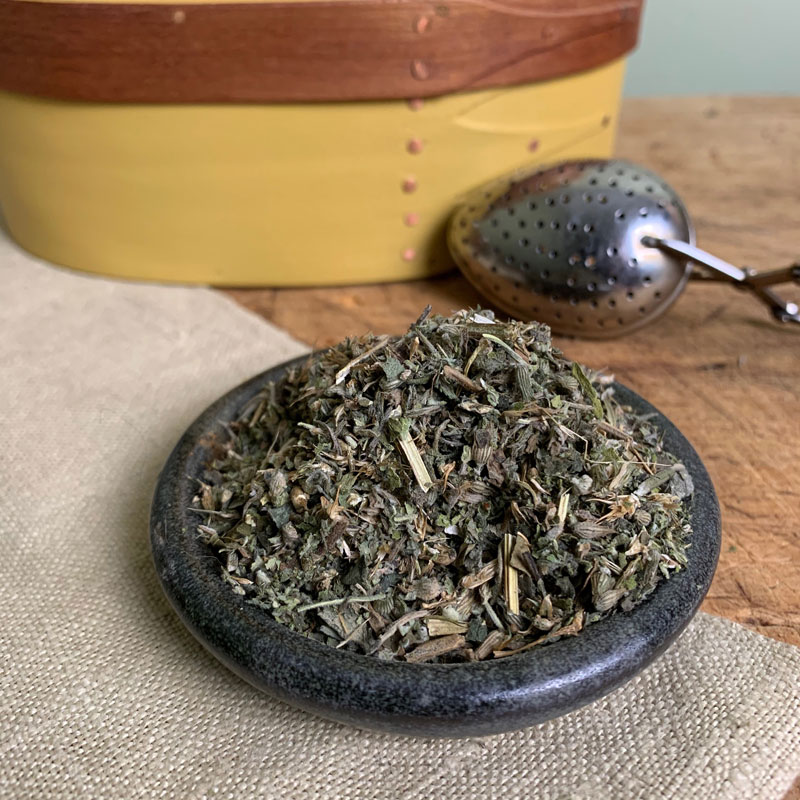
Catnip tea is made from the dried leaves and flowers of Nepeta cataria, a member of the mint family. It has a mild, slightly earthy, herbaceous flavor reminiscent of oregano with a faint mint quality. If you are looking for a caffeine-free evening drink that supports relaxation and may help with mild sleep difficulty, catnip tea is worth understanding properly before you brew your first cup.
The Active Compounds in Catnip
The primary bioactive compound in catnip is nepetalactone, which is the same compound responsible for the behavioral response in cats. In cats, nepetalactone binds to olfactory receptors and triggers a neurological response. In humans, who lack those same receptors, nepetalactone does not produce any euphoric or stimulant effect. Instead, when consumed as a tea, catnip delivers its effects primarily through a different set of compounds including iridoids, flavonoids, and rosmarinic acid.
These compounds have demonstrated mild sedative, antispasmodic, and anti-inflammatory properties in early laboratory research. The sedative effects appear to work through interaction with GABA receptors in the central nervous system, which is a similar pathway to many pharmaceutical sleep aids, though at a far less potent level. Research available through PubMed on Nepeta cataria suggests potential anxiolytic and mild sedative effects, though large-scale human clinical trials are still limited.
What Catnip Tea Is Used For
Sleep Support and Relaxation
The most common reason people drink catnip tea is to wind down before sleep. The mild sedative properties of nepetalactone and the GABA-interacting compounds in the plant can take the edge off a restless evening and reduce the time it takes to fall asleep for some people. This is not a pharmaceutical-strength sleep aid. Think of it more like a slightly more effective version of chamomile tea.
Drinking a cup of warm catnip tea about thirty to sixty minutes before bed fits naturally into a wind-down routine. The warmth of the liquid itself is calming, and the absence of caffeine makes it a safe evening choice. If you train hard and find that evening sessions leave your nervous system too activated to fall asleep quickly, a relaxing herbal tea routine is a practical, non-pharmaceutical tool worth building into your recovery protocol. Strong training and solid sleep are inseparable, and the right knee sleeves for joint recovery are part of that same picture.
Digestive Discomfort and Bloating
Catnip has antispasmodic properties, meaning it helps relax smooth muscle tissue. In the digestive context, this translates to relief from cramping, bloating, and general digestive tension. Drinking a cup after a heavy meal or when experiencing gas and discomfort has a reasonable traditional basis and is consistent with how other mint-family herbs like peppermint and spearmint work on the digestive system.
The antispasmodic effect is also why catnip has historically been used for menstrual cramps in European and North American herbal medicine traditions. While clinical evidence is limited, the mechanism is plausible and the safety profile for moderate use is good. Anyone with diagnosed digestive conditions should consult a healthcare provider before using any herbal tea as a treatment.
Mild Anxiety and Stress
The anxiolytic potential of catnip is one of its more interesting properties from a research standpoint. The flavonoids and rosmarinic acid in the plant have demonstrated anti-anxiety effects in animal studies, and the GABA-pathway interaction suggests a mechanism for calming mild stress responses. This is not a replacement for evidence-based anxiety treatment. For occasional, situational stress, a cup of catnip tea is a reasonable low-risk option that fits into a broader stress-management approach.
How to Brew Catnip Tea Correctly
Use one to two teaspoons of dried catnip leaves per cup of hot water. Bring the water to just below boiling, around 200 degrees Fahrenheit, rather than a full boil. Steep for five to ten minutes with a lid on the cup to retain the volatile compounds that carry most of the active properties. Steeping without a cover allows those compounds to escape with the steam and reduces the effectiveness of the tea significantly.
Strain the leaves out and drink it plain or with a small amount of honey for sweetness. Catnip combines well with chamomile, lemon balm, or valerian root if you want to build a more comprehensive sleep or relaxation blend. These herbs work through complementary but distinct mechanisms and are safe to combine for most healthy adults.
Taste Profile: What to Expect
Catnip tea has a mild, earthy, slightly minty flavor that is more subtle than peppermint tea. It is not particularly strong or assertive. Some people find it slightly bitter at longer steeping times, which is why staying under ten minutes and using the right water temperature matters. If you already enjoy chamomile, lemon balm, or other mild herbal teas, catnip tea will fit comfortably in that same category for your palate.
Fresh catnip produces a more vibrant, greener flavor than dried. If you grow catnip in your garden, which is extremely easy since the plant is hardy and spreads aggressively, you can use fresh leaves at about double the volume of dried. Rinse the leaves, bruise them slightly between your fingers to release the oils, steep for five minutes, and strain. The fresh version has a noticeably cleaner, more pleasant flavor than dried catnip from a bag.
Safety, Dosage, and Who Should Avoid It
Catnip tea is considered safe for most healthy adults when consumed in normal amounts of one to three cups per day. The main precautions are straightforward. Pregnant women should avoid catnip because it has historically been used to stimulate uterine contractions and may pose a risk of miscarriage. People taking sedative medications or anti-anxiety drugs should talk to their doctor before adding catnip tea regularly because the sedative effects could compound.
Children under two years old should not be given catnip tea. Older children can consume it in smaller amounts for digestive complaints, but consulting a pediatrician first is the sensible approach. For healthy adults with none of these contraindications, moderate catnip tea consumption has a long history of use without serious adverse effects. Start with one cup in the evening and observe how you respond before building it into a daily routine.
Where to Buy Catnip for Tea
Not all catnip sold in pet stores is suitable for making tea. Pet-grade catnip is often low-quality, mixed with stems and debris, and may have been processed with equipment that introduces contaminants not appropriate for human consumption. Buy food-grade or culinary-grade dried catnip from reputable herbal suppliers. Brands that specialize in bulk herbs and teas, available at natural food stores or online, are your best source for catnip intended for drinking.
Growing your own is genuinely the best option if you have any outdoor space or a sunny indoor container. Catnip is a perennial herb that comes back every year in most US and European climates, spreads readily, and requires minimal care. One established plant produces more dried catnip than most households can consume.
Growing Catnip at Home
To grow catnip from seed, start it indoors six weeks before the last frost date in your region, or sow directly outdoors after the frost risk has passed. It prefers full sun and well-drained soil. Once established, it is drought-tolerant and virtually indestructible. Harvest the leaves before the plant flowers for the highest concentration of active compounds. Cut the stems back by about a third after each harvest to encourage bushy regrowth rather than a tall, spindly plant.
Dry harvested catnip by hanging small bunches upside down in a warm, airy space out of direct sunlight, or use a food dehydrator at the lowest setting. Once dry, strip the leaves from the stems, store in a labeled glass jar, and use within twelve months for best potency. Home-grown and freshly dried catnip is noticeably more potent and flavorful than most commercially available dried herb products.
FINAL WORDS
Catnip tea is a legitimate, low-risk herbal option for people looking for natural support with sleep, mild digestive complaints, or general evening relaxation. The active compounds have plausible mechanisms, the traditional use history is substantial, and the safety profile for healthy adults is solid. It will not sedate you like a prescription sleep aid, but it is a meaningful step above doing nothing. Brew it right, drink it in the evening, and pair it with the recovery habits that actually move the needle. Your training deserves the same standard. Check out the hip circle bands and wrist wraps built for athletes who take every part of their performance seriously.
Certified strength and conditioning specialists with over 10 years of combined experience in powerlifting, nutrition coaching, and evidence-based fitness content. Based in New York City, the Genghis Fitness team tests every protocol in the gym before writing about it.