Genghis Fitness · Equipment Maintenance
Cleaning CrossFit Lifting Grips: Material-Specific Protocols for Leather, Carbon Fibre, and Rubber, Preventing Odour, and Extending Grip Life
Updated 2026 | By Team Genghis Fitness | 22 min read
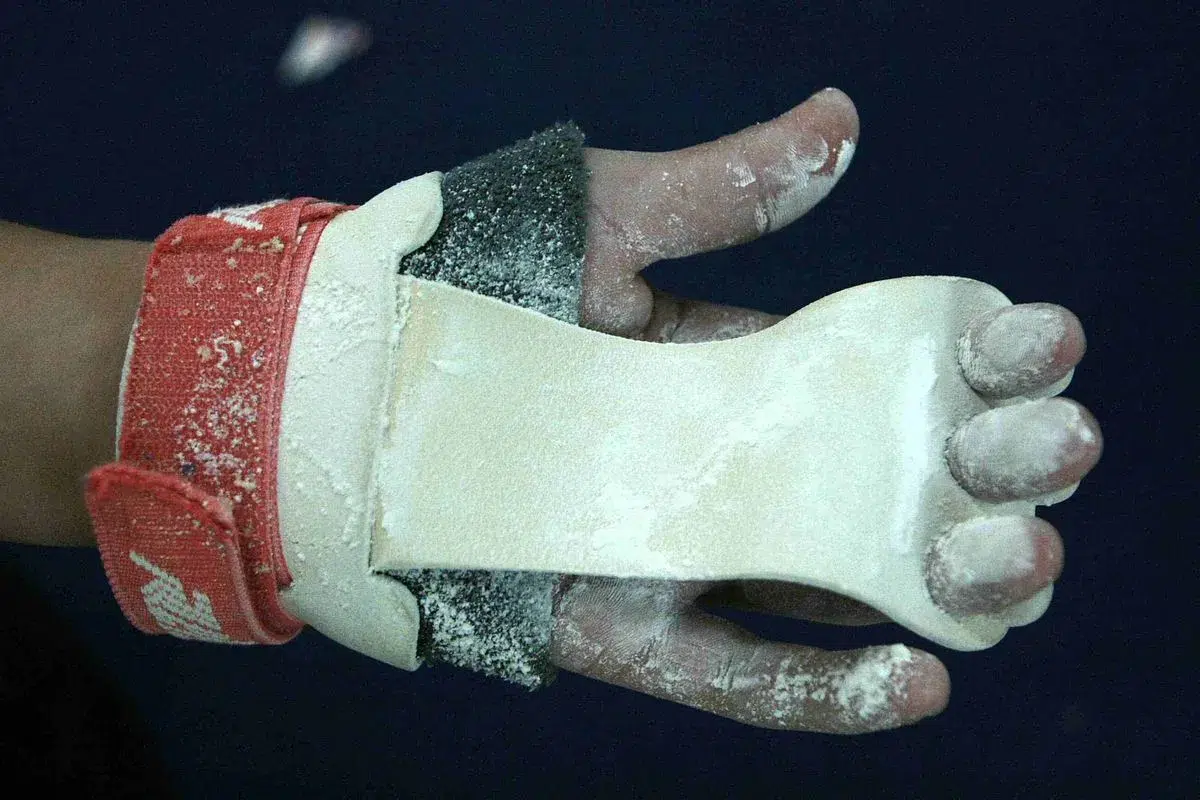
CrossFit lifting grips accumulate chalk, sweat, bar residue, and skin oils with every training session. Without regular cleaning, this accumulation degrades grip material, reduces palm protection function, promotes bacterial growth that causes persistent odour, and hardens leather grips that should remain supple. The correct cleaning approach depends on the grip material: leather, carbon fibre, and rubber each require different protocols that preserve material integrity while removing the contamination that causes degradation. This guide covers material-specific cleaning protocols, frequency recommendations, and the storage practices that extend grip life between cleaning sessions.
Cleaning Leather CrossFit Grips
Leather grips require the most careful cleaning approach because both excessive moisture and harsh cleaning agents damage leather fibres. After each training session, wipe the leather grip surface with a dry or barely damp cloth to remove chalk and sweat residue before it dries and becomes embedded in the leather pores. For deeper cleaning every 2 to 4 weeks, use a leather-specific cleaner such as saddle soap applied with a damp cloth, working the cleaner into the leather surface gently without saturating it with water. Rinse any saddle soap residue with a barely damp cloth and allow to air dry completely at room temperature before use or storage. After cleaning, apply a small amount of leather conditioner (neatsfoot oil or a commercial leather conditioner product) to the grip surface to restore the moisture that cleaning removes. Research on leather care protocols for sports equipment referenced in the Journal of Materials Science confirms that regular conditioning significantly extends leather fatigue life by maintaining the viscoelastic properties that resist crack initiation under repeated loading, consistent with the practical leather care guidance for sports equipment.
Cleaning Carbon Fibre Grips
Carbon fibre grip pads are the easiest material to clean because carbon fibre does not absorb moisture or sweat in the way leather does, and is not degraded by standard cleaning agents. Wipe the carbon fibre pad surface with a damp cloth after each session to remove chalk and sweat residue. For deeper cleaning, a mild soap solution applied with a soft brush removes embedded chalk from the textured surface of some carbon fibre grip pads. Rinse thoroughly with clean water and allow to air dry. The wrist strap component of carbon fibre grips (typically nylon or velcro) can be hand-washed with mild soap and water, rinsing thoroughly and air drying. Avoid harsh chemical cleaners or solvents on carbon fibre as they can damage the resin matrix that holds the carbon fibres together, reducing structural integrity over time.
Cleaning Rubber and Silicone Grips
Rubber and silicone grip pads are the most moisture-tolerant material and the simplest to clean. Hand wash with mild soap and water, scrubbing the grip surface with a soft brush to remove chalk and skin cell accumulation. Rinse thoroughly with clean water and air dry. Rubber and silicone can be cleaned more frequently and with more water than leather without material degradation. The primary concern with rubber grip cleaning is avoiding harsh solvents and oils that degrade rubber compounds over time, causing the material to soften, crack, or lose its shape. Oil-based leather conditioners appropriate for leather grips should not be applied to rubber or silicone grips. Some rubber grips develop a tacky surface over time from sweat and skin oil accumulation; a dilute white vinegar solution (1 part vinegar to 5 parts water) applied with a soft cloth and rinsed thoroughly reduces tackiness by dissolving the sweat residue causing it.
Odour Prevention and Storage
Persistent grip odour comes from bacterial growth in the warm, moist environment of a stored grip after training. The primary prevention is ensuring grips are completely dry before storage, never sealed in a gym bag while still warm and damp from training. After the cleaning protocol for the relevant material, hang grips or lay them flat in a well-ventilated area until completely dry before storing. For athletes who train daily and cannot always allow full drying time, a light spray of 70 percent isopropyl alcohol on the inner strap surfaces (not on leather grip pads) between training sessions reduces bacterial counts without the full cleaning process. For leather grips with embedded odour from extended use without cleaning, a dilute white vinegar solution (same as for rubber) applied to the non-leather strap areas and allowed to dry can reduce odour without damaging leather. The complete CrossFit grip selection guide including material comparison is at our CrossFit grips guide.
Frequently Asked Questions
How Often Should You Clean CrossFit Grips?
A light wipe-down after every session (30 seconds with a dry or barely damp cloth) prevents the chalk and sweat accumulation that makes deeper cleaning necessary. A full cleaning with appropriate material-specific protocol should be performed every 2 to 4 weeks for athletes training 4 or more sessions per week, or monthly for athletes with lower training frequency. Leather grips need conditioning every 2 to 3 months in addition to regular cleaning to maintain suppleness. If a grip develops noticeable odour between scheduled cleaning sessions, the cleaning frequency should be increased or the grip storage situation (drying time and ventilation) should be improved.
Can You Machine Wash CrossFit Grips?
Leather grips should never be machine-washed as machine washing saturates the leather and causes irreversible stiffening and cracking. Carbon fibre grips with leather or fabric strap components should also not be machine-washed due to the leather elements. Some all-synthetic grips with nylon straps and rubber or silicone pads can tolerate a gentle machine cycle in a mesh laundry bag on a cold, delicate setting, but air drying rather than tumble drying is essential for all grip types as heat degrades both strap materials and grip pad compounds. When in doubt, hand washing with mild soap and cold water is the safe option for any grip material combination.
Clean Grips Last Longer. Maintained Equipment Trains Better.
The 5-minute post-session routine that extends grip life by months.
Shop Lifting StrapsIntegrating Grip Cleaning Into the Post-Training Routine
Integrating a post-session wipe into the existing training routine prevents the accumulation that makes scheduled deep cleaning necessary more than once per month. A 2-minute post-session routine covering grips, lifting straps, and wrist wraps immediately after each session before equipment is stored extends the life of all soft training accessories significantly. Athletes who develop this habit rarely experience the odour and material degradation that results from stored damp equipment, and find that full cleaning sessions when they do occur are far less labour-intensive because surface contamination has not become embedded in the material. Keeping a pack of unscented wipes at the training bag makes the post-session wipe immediately accessible without requiring equipment to be carried to a cleaning area. A monthly scheduled equipment maintenance session of 20 to 30 minutes covering all soft training accessories, including deep cleaning of CrossFit grips by material-specific protocol, strap chalk removal, and wrist wrap velcro inspection ensures all equipment remains in optimal condition simultaneously. The complete leather equipment care guide covering straps, belts, and grips is at our leather equipment care guide.
Shop Wrist WrapsCertified strength and conditioning specialists with over 10 years of experience in powerlifting, nutrition, and evidence-based fitness content. Based in New York City.